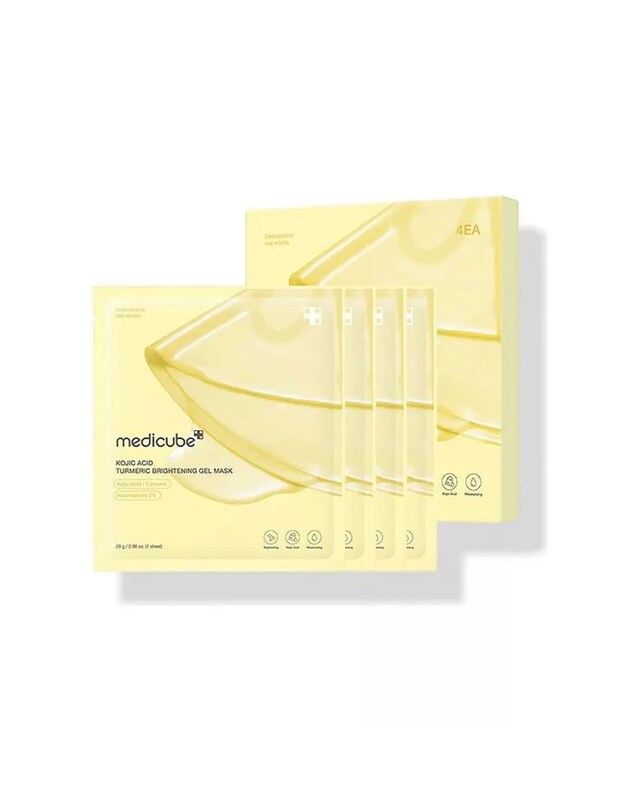
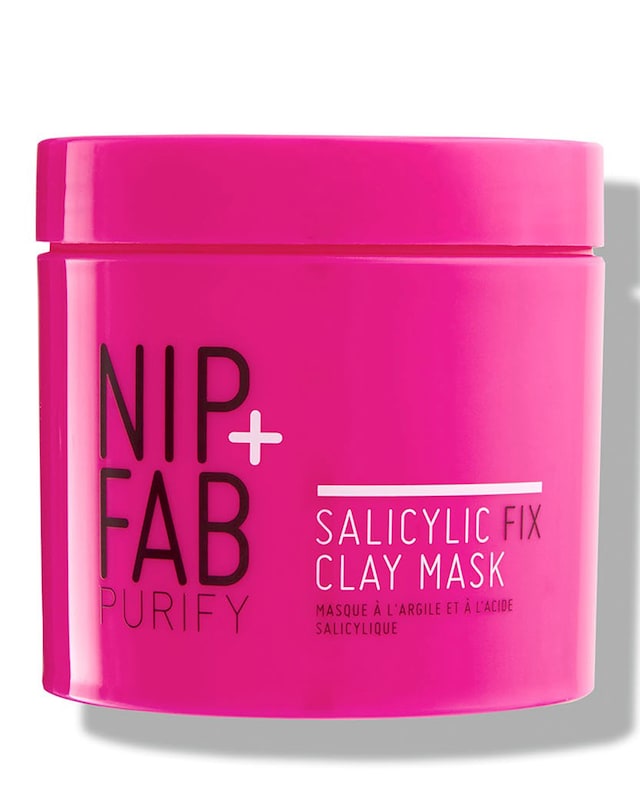
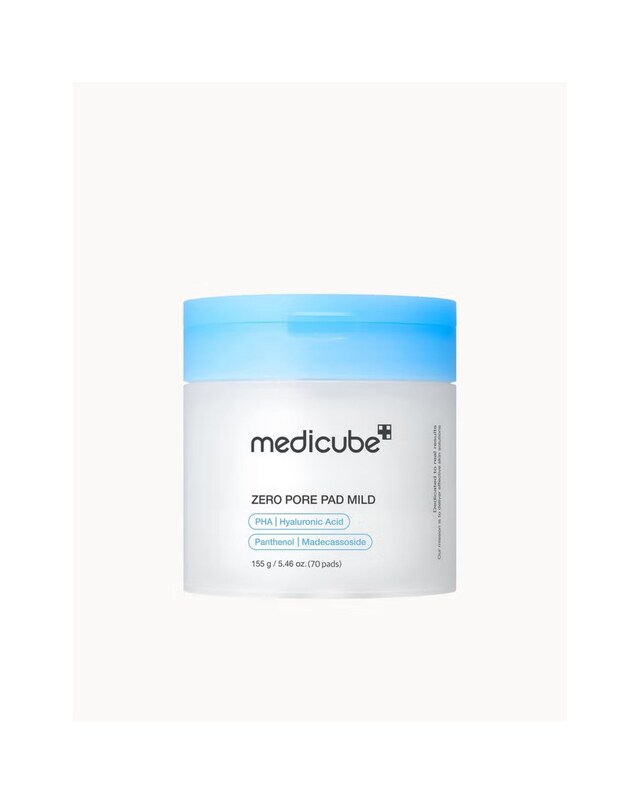
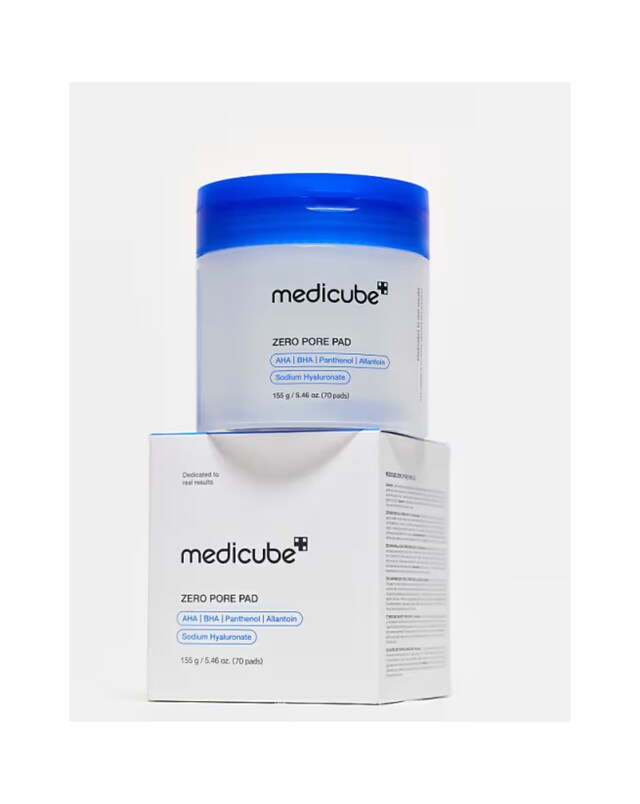
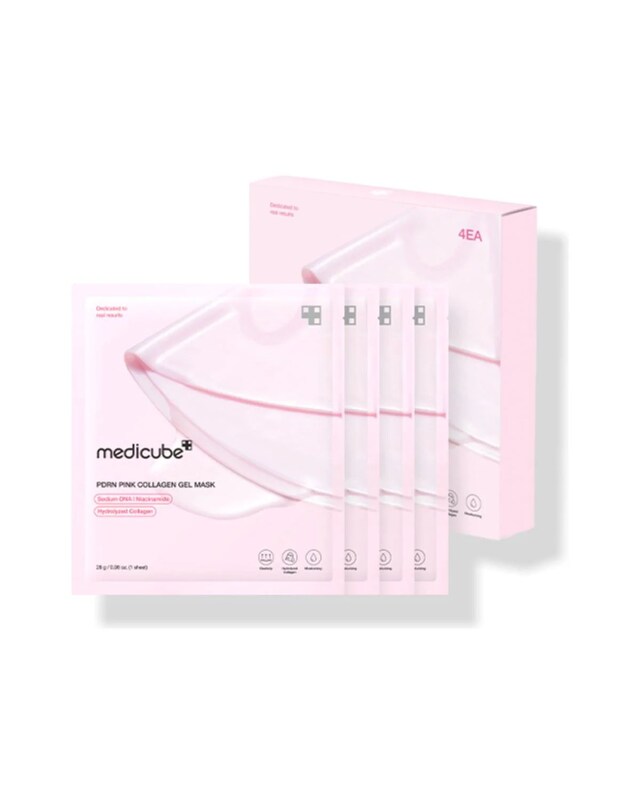
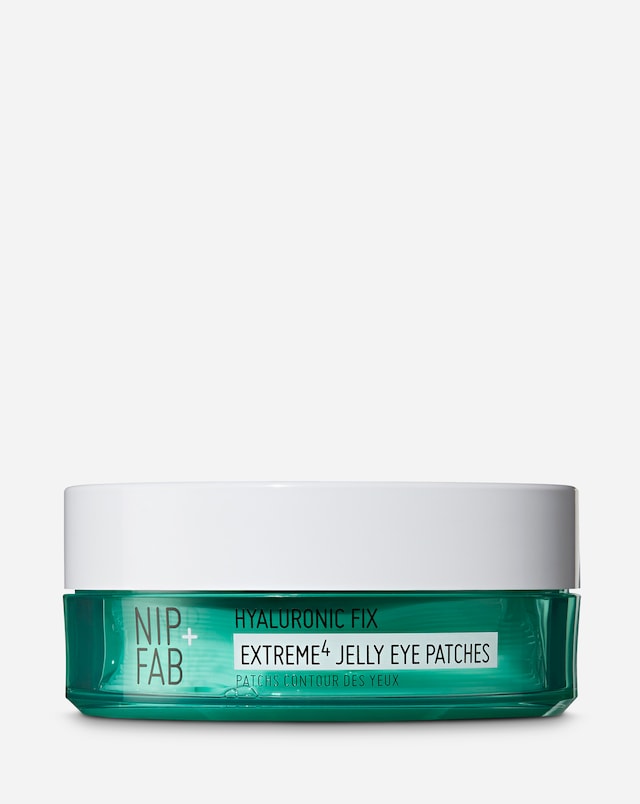
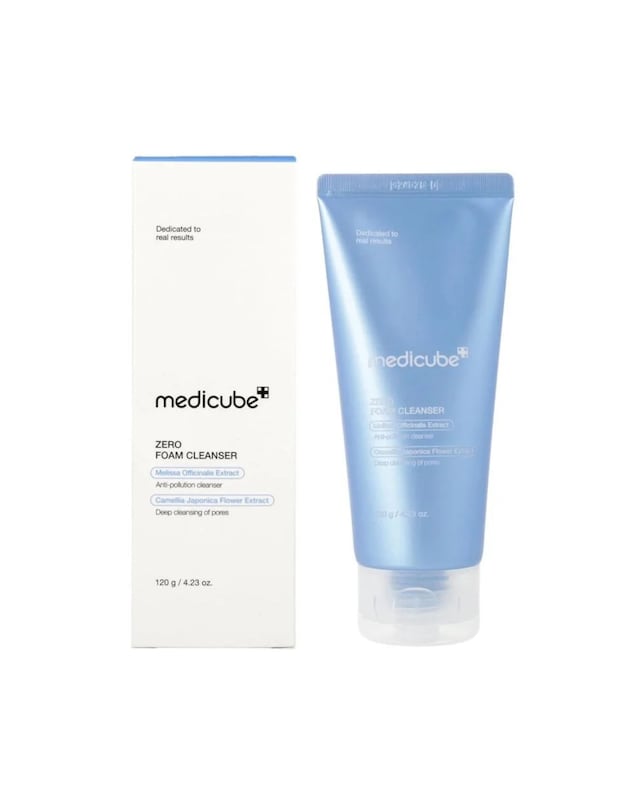
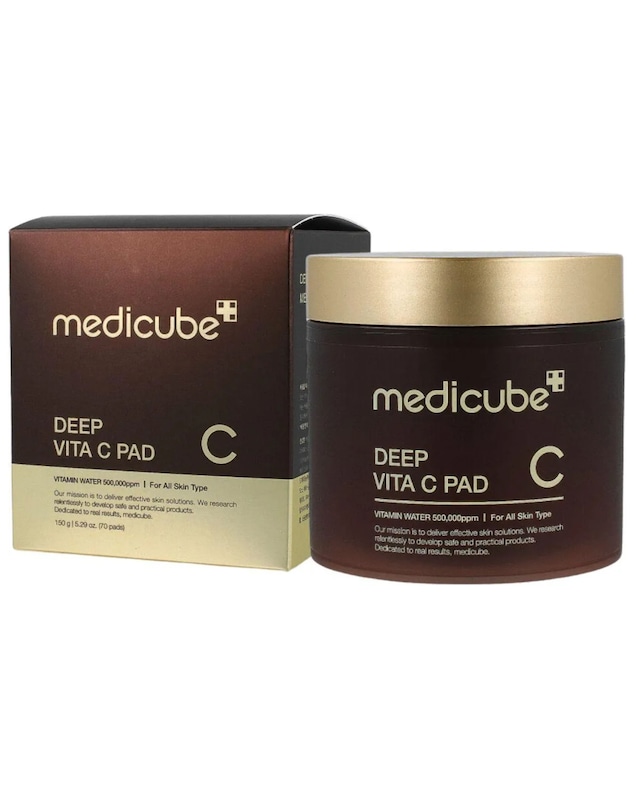
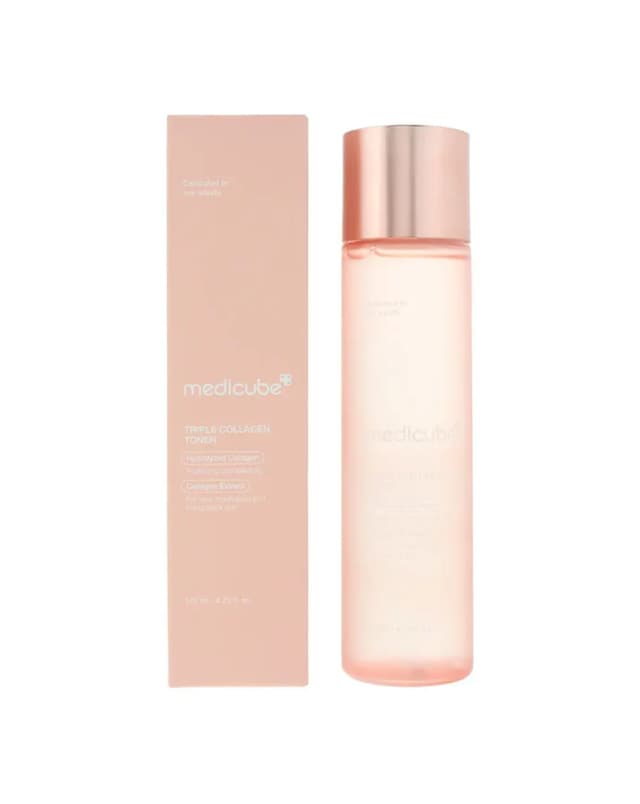
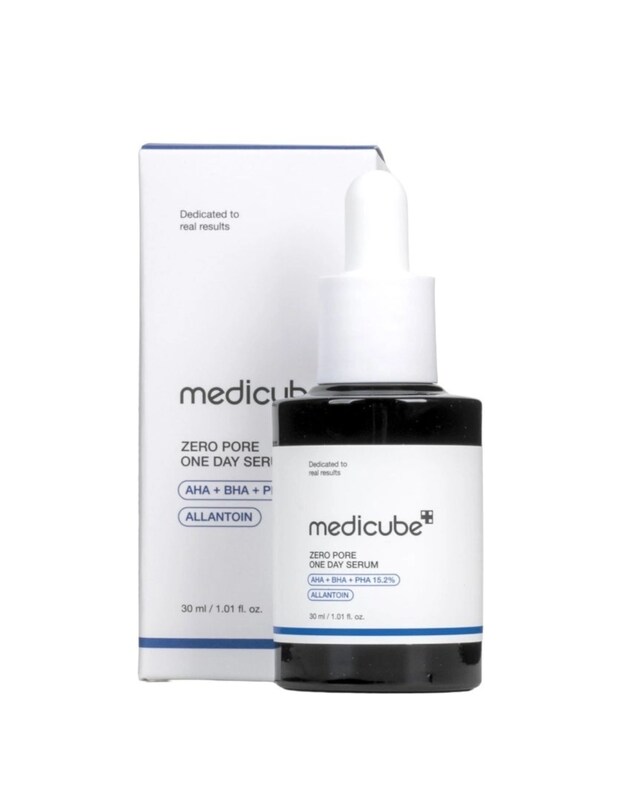
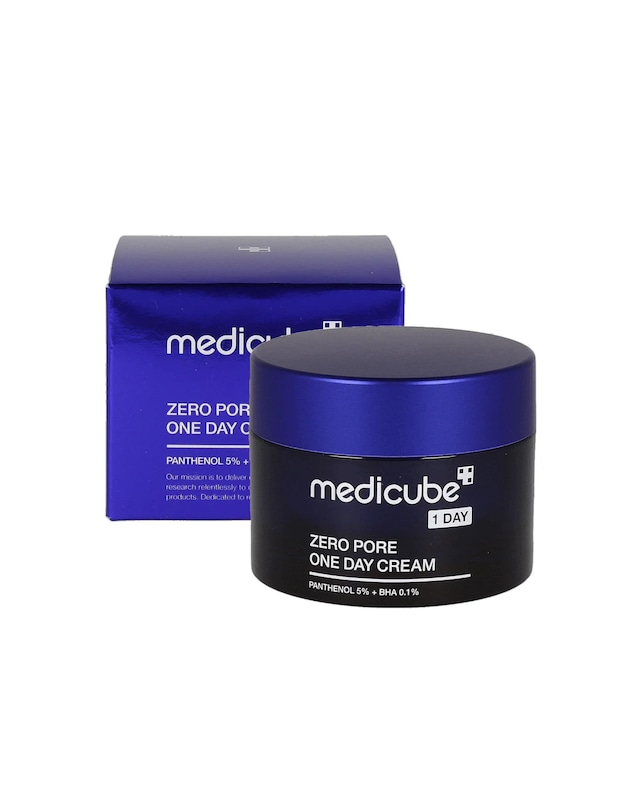
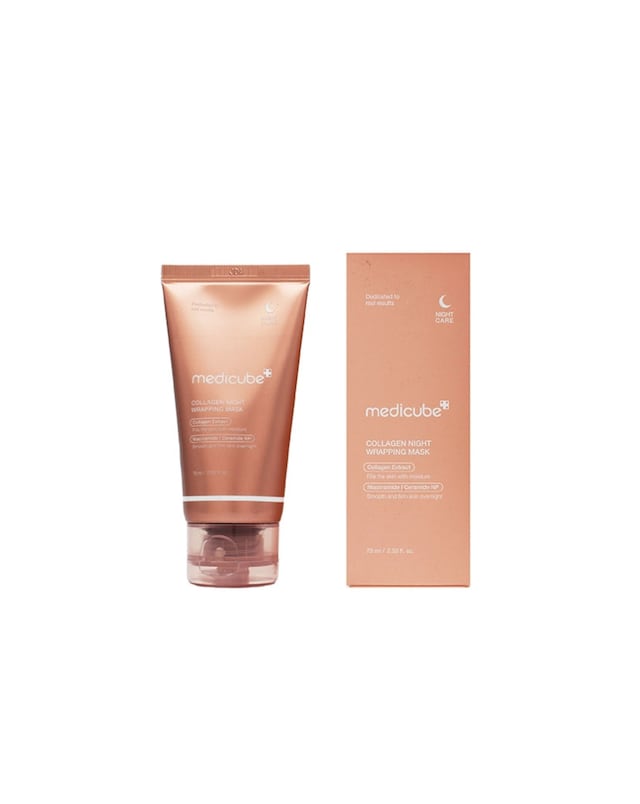
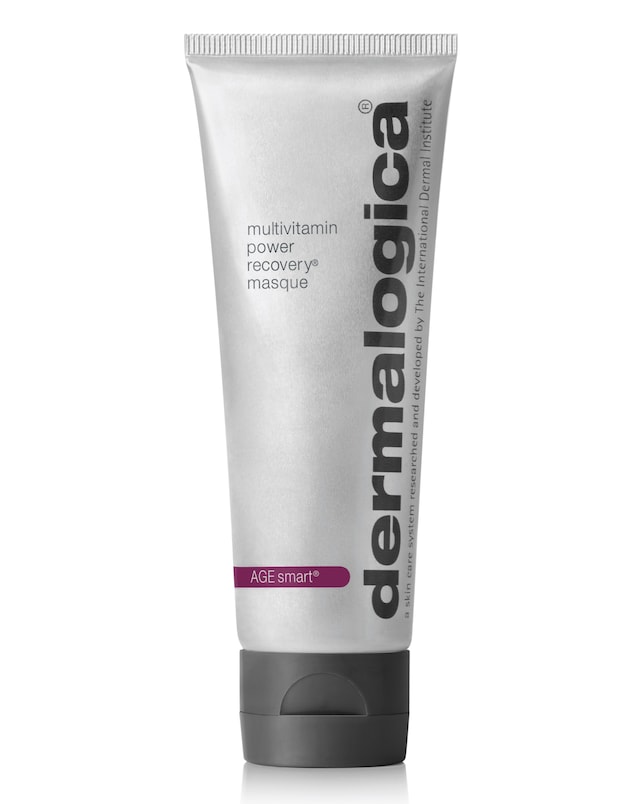
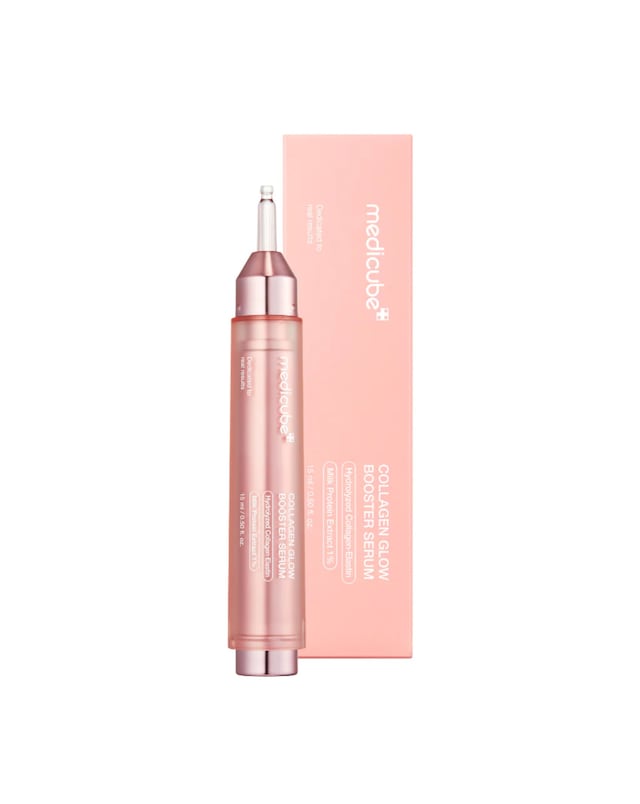
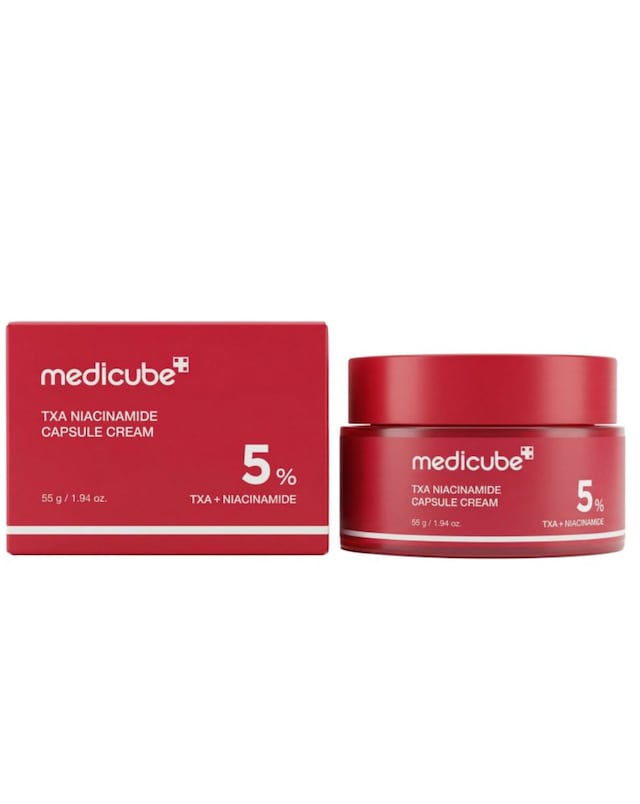
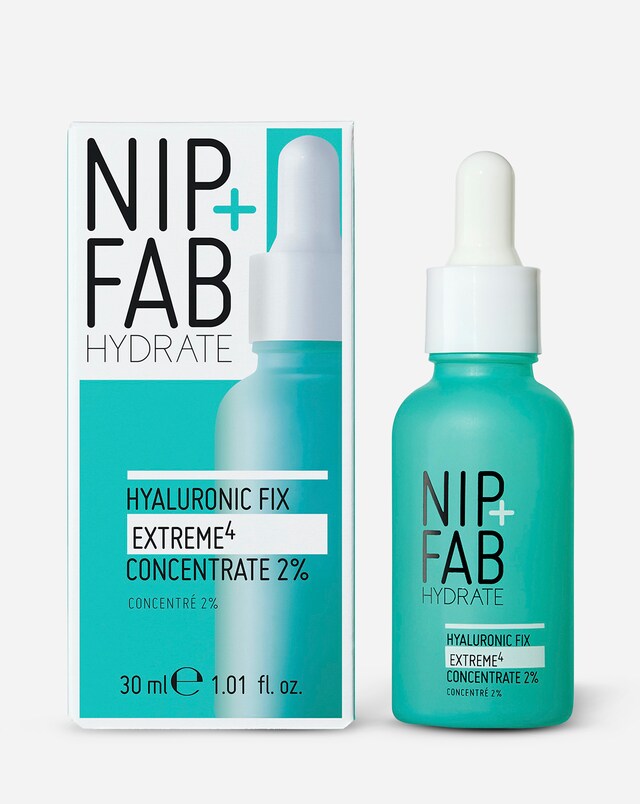
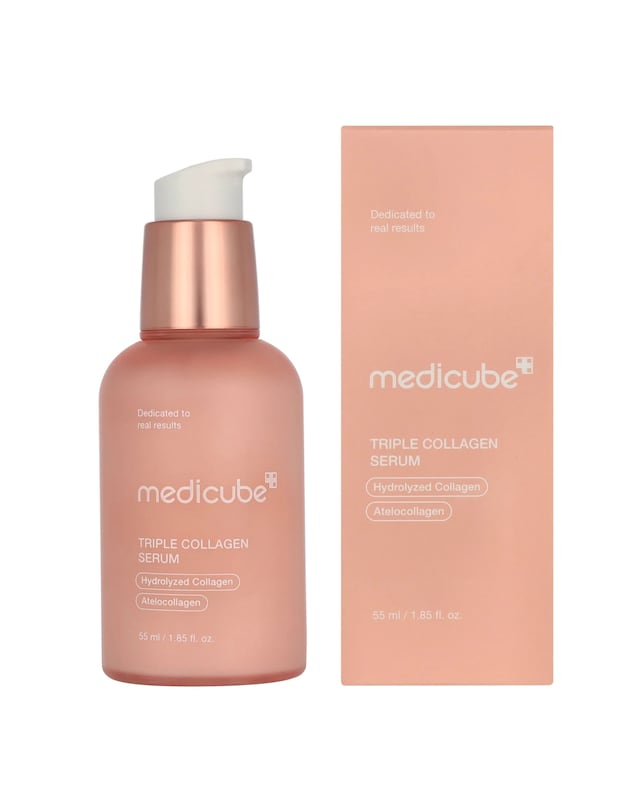
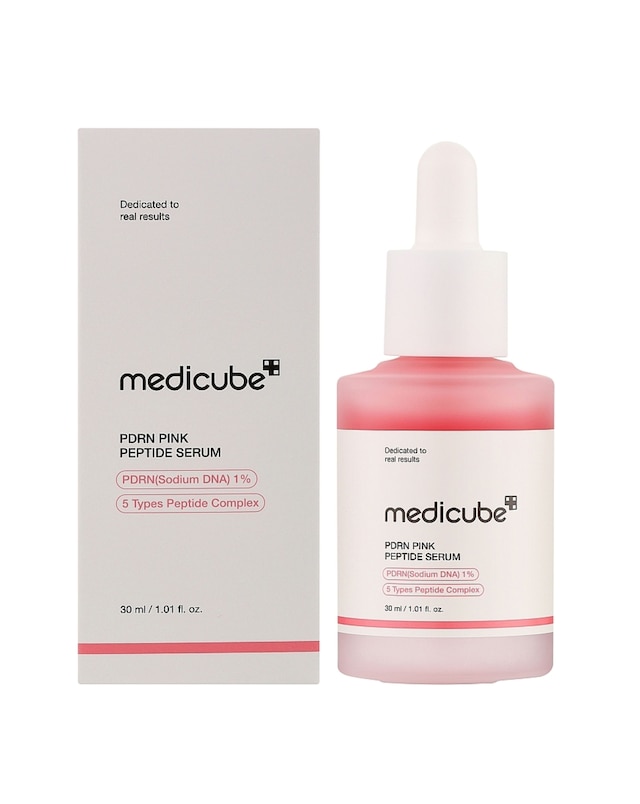
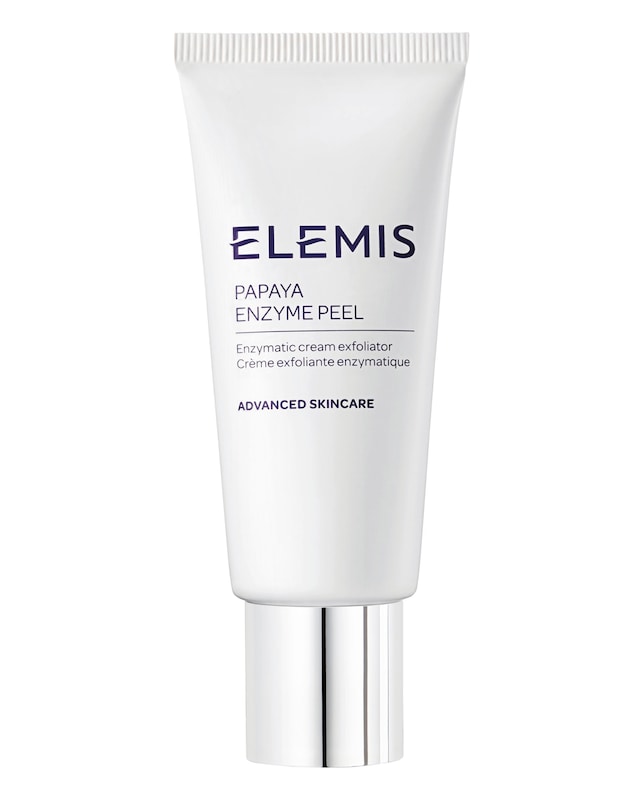
Explore our range of blemish treatments specifically formulated for sensitive skin, designed to target imperfections while being gentle on delicate complexions. These products harness the power of soothing ingredients and effective actives to help reduce the appearance of blemishes without causing irritation. Ideal for those with sensitive skin, our treatments provide a calming effect while promoting a clearer, more radiant complexion. Discover the perfect solution to maintain your skin's health and confidence.
What are the best ingredients for blemish treatment for sensitive skin?
- Look for ingredients like salicylic acid, which helps to unclog pores, and soothing agents such as aloe vera or chamomile that calm irritation. Natural extracts like turmeric and kojic acid can also brighten the skin and reduce redness without causing sensitivity.
How often should I use blemish treatments on sensitive skin?
- For sensitive skin, it's best to start with a patch test and use blemish treatments 1-2 times a week. Monitor your skin's reaction and gradually increase usage if your skin tolerates it well. Always follow up with a gentle moisturiser to maintain hydration.
Can blemish treatments cause irritation on sensitive skin?
- While many blemish treatments are designed for sensitive skin, some individuals may still experience irritation. It's important to choose products specifically formulated for sensitivity and to introduce them slowly into your skincare routine to assess how your skin reacts.
Are there any natural alternatives for blemish treatment for sensitive skin?
- Yes, natural alternatives such as tea tree oil, witch hazel, and honey can be effective for treating blemishes. These ingredients have antibacterial and anti-inflammatory properties that can help soothe the skin while addressing blemishes without harsh chemicals.
What should I do if my skin reacts badly to a blemish treatment?
- If you experience redness, itching, or irritation after using a blemish treatment, discontinue use immediately. Rinse your face with cool water and apply a gentle moisturiser or soothing balm to calm the skin. If symptoms persist, consult a dermatologist for further advice.