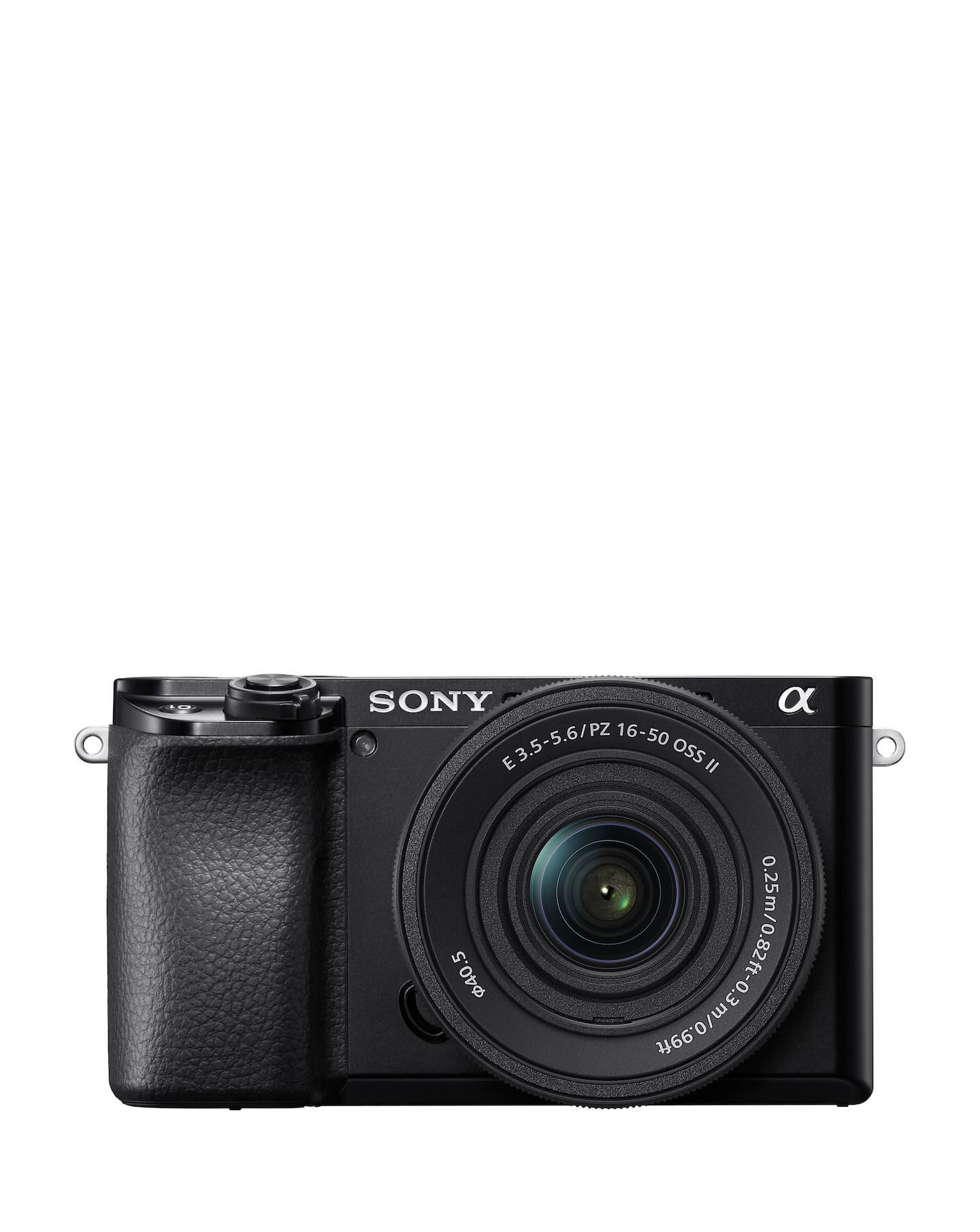
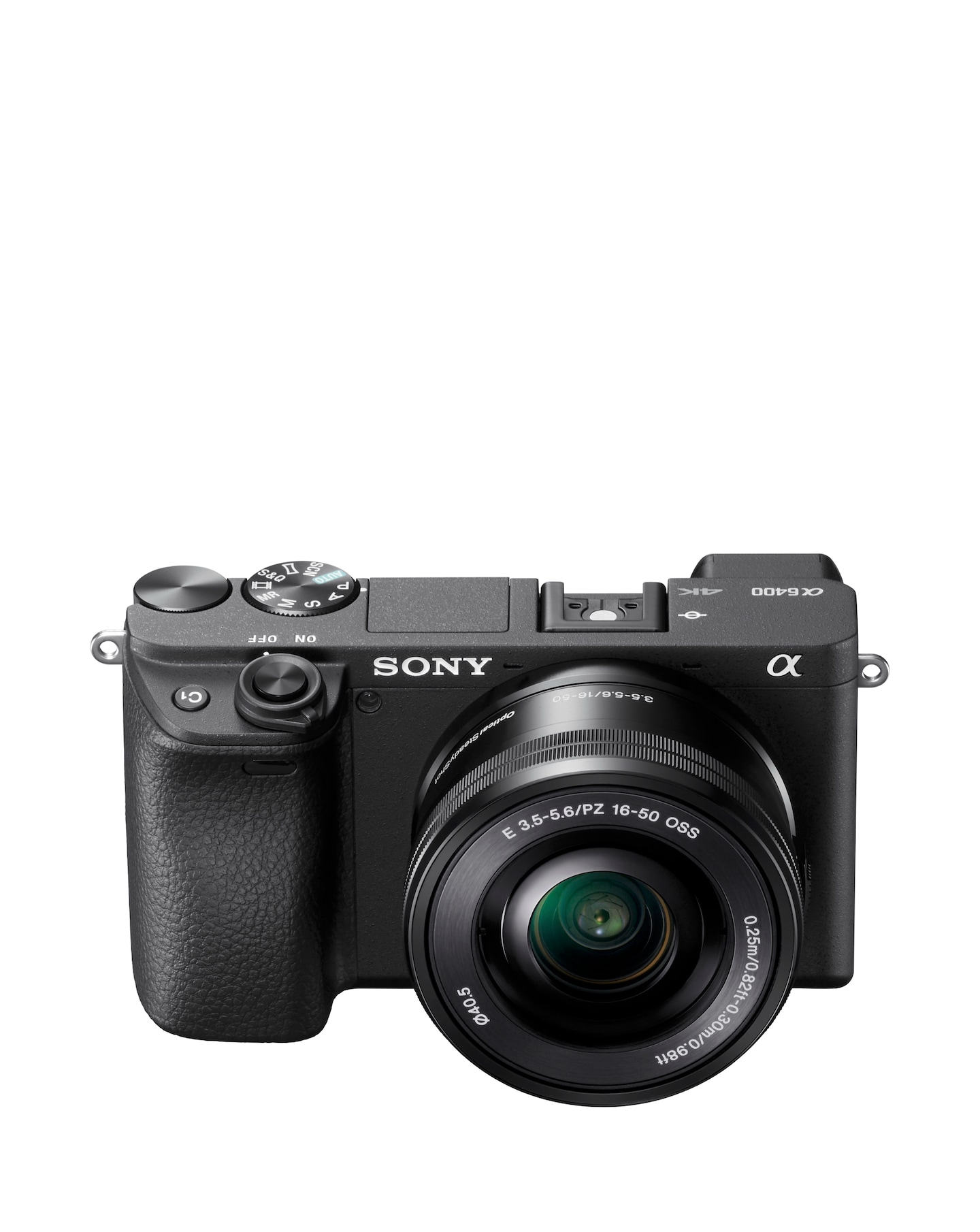
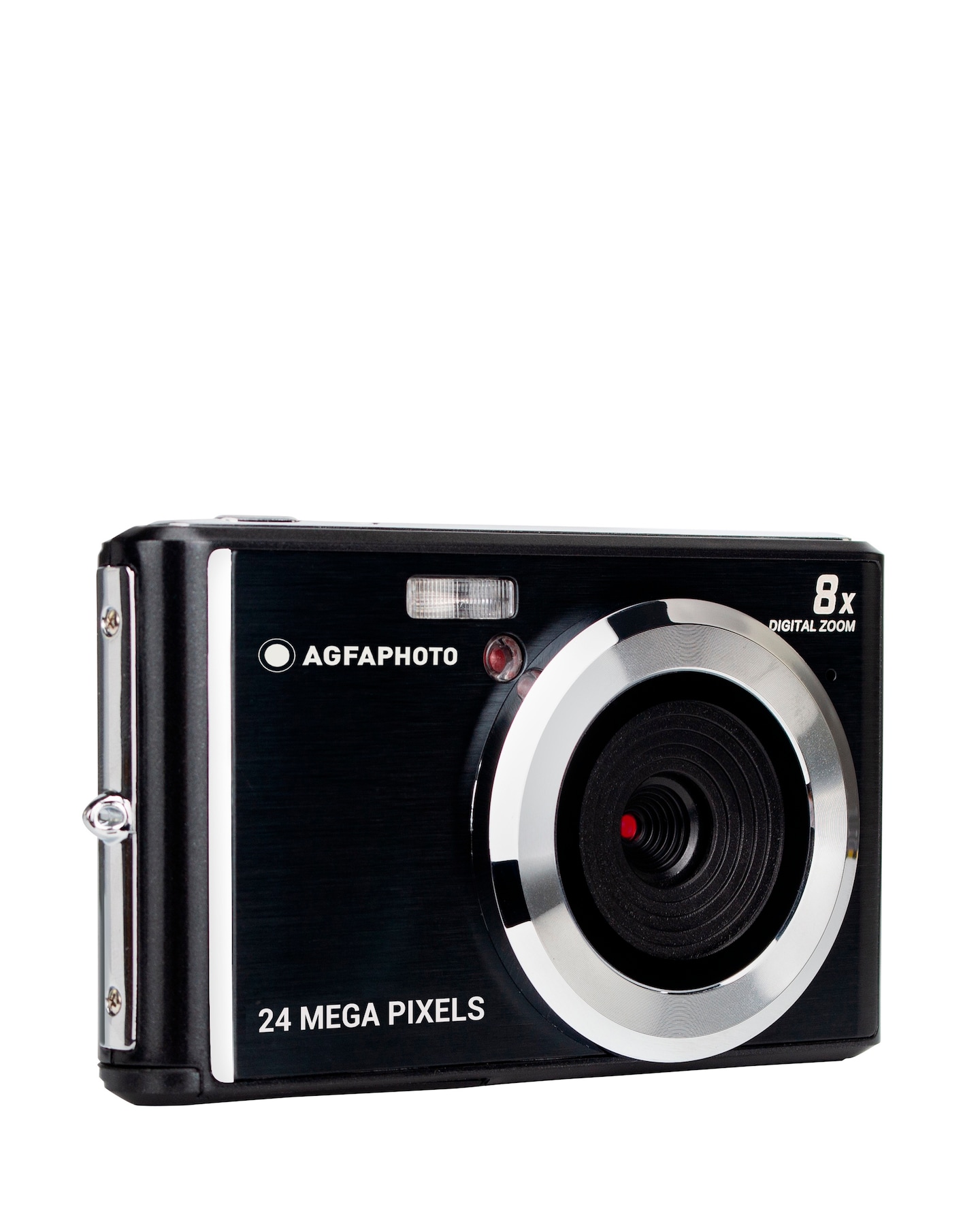
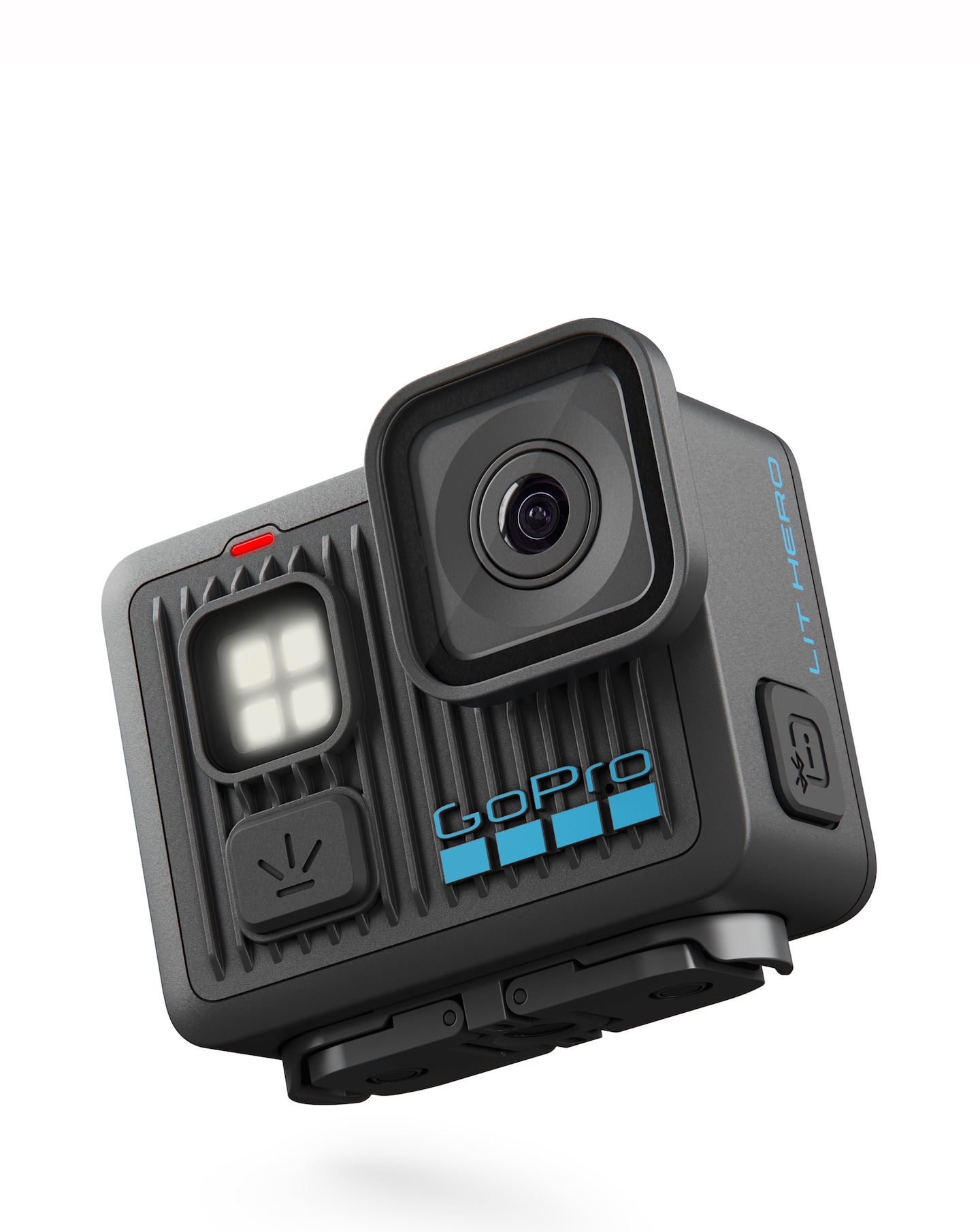
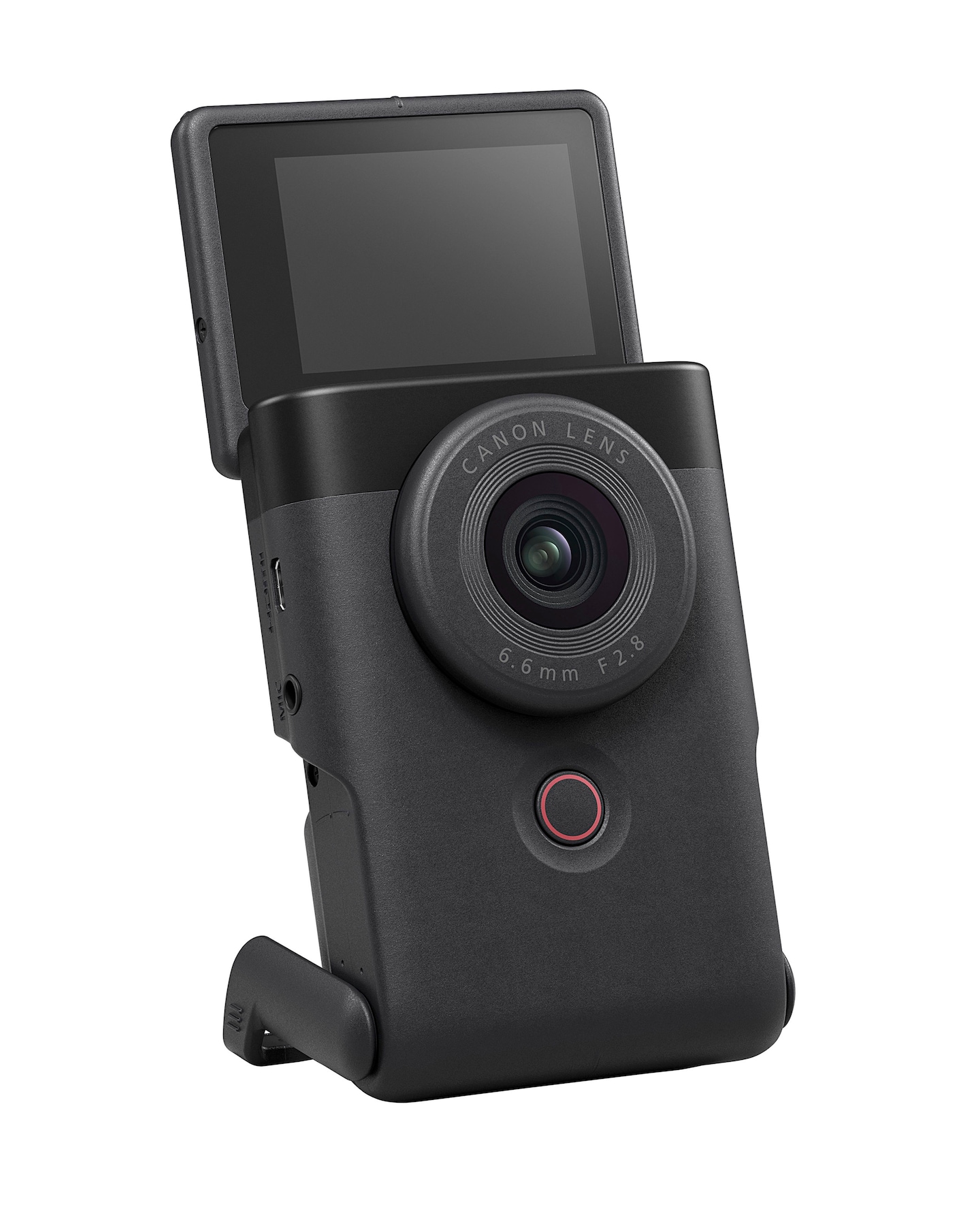
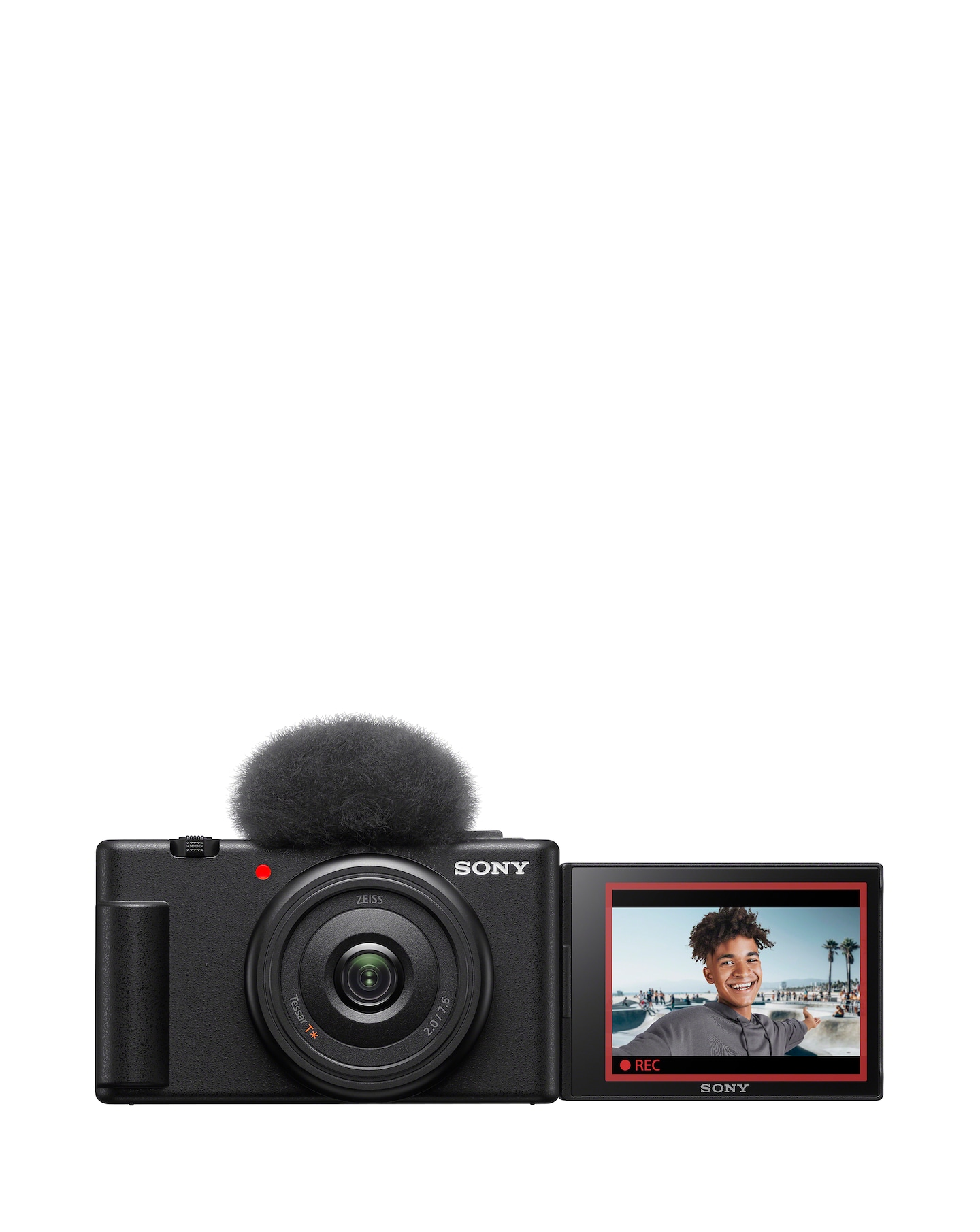
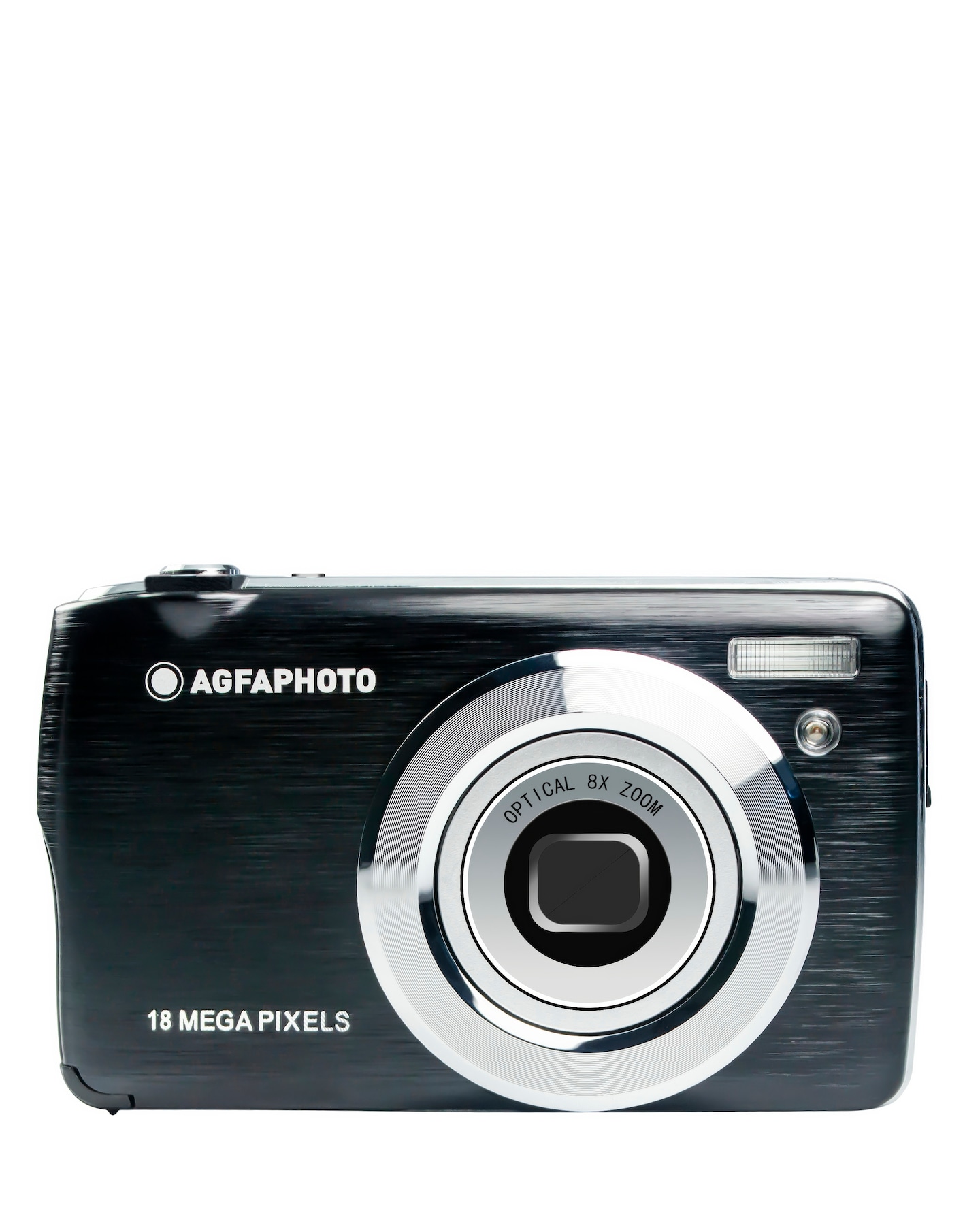
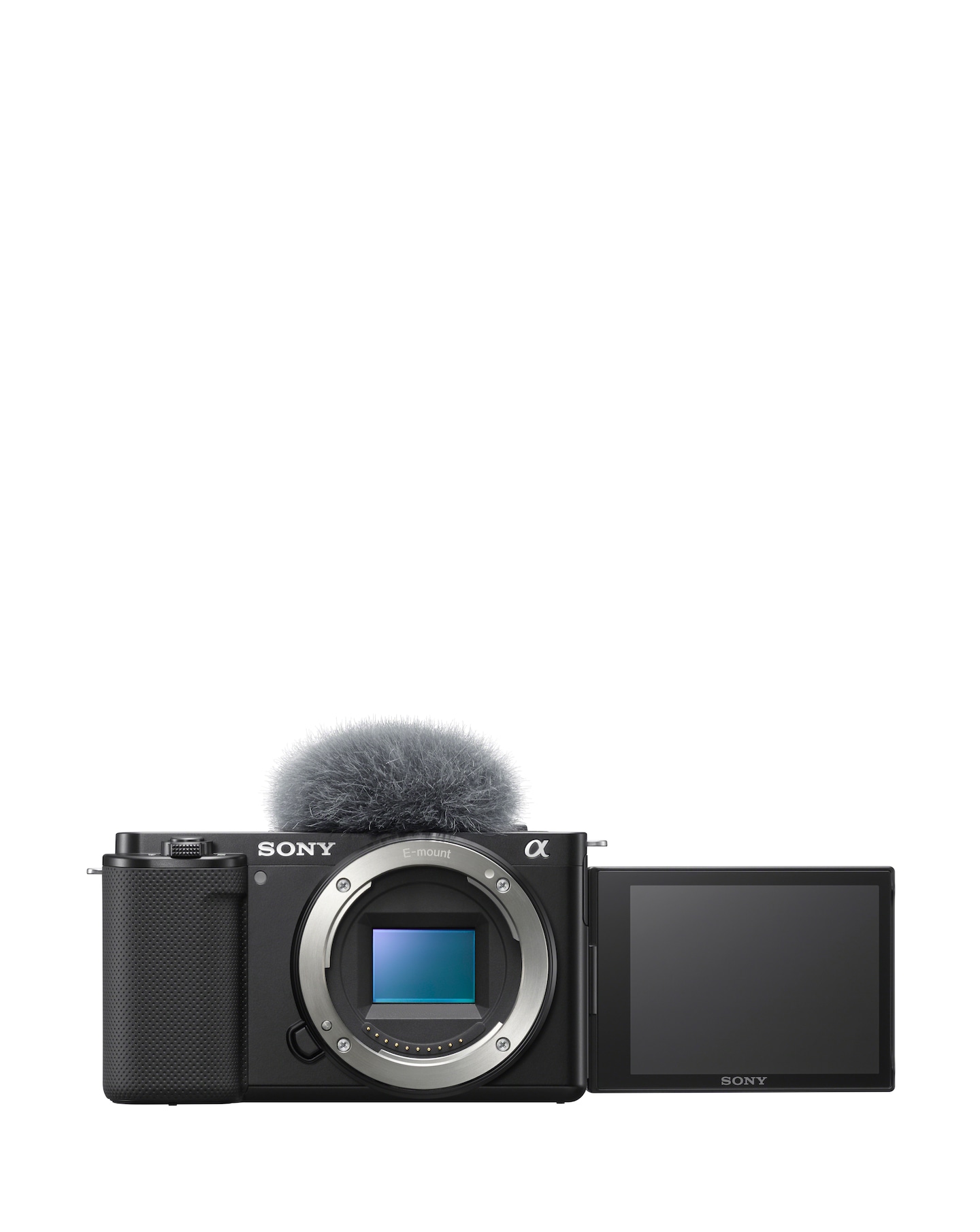
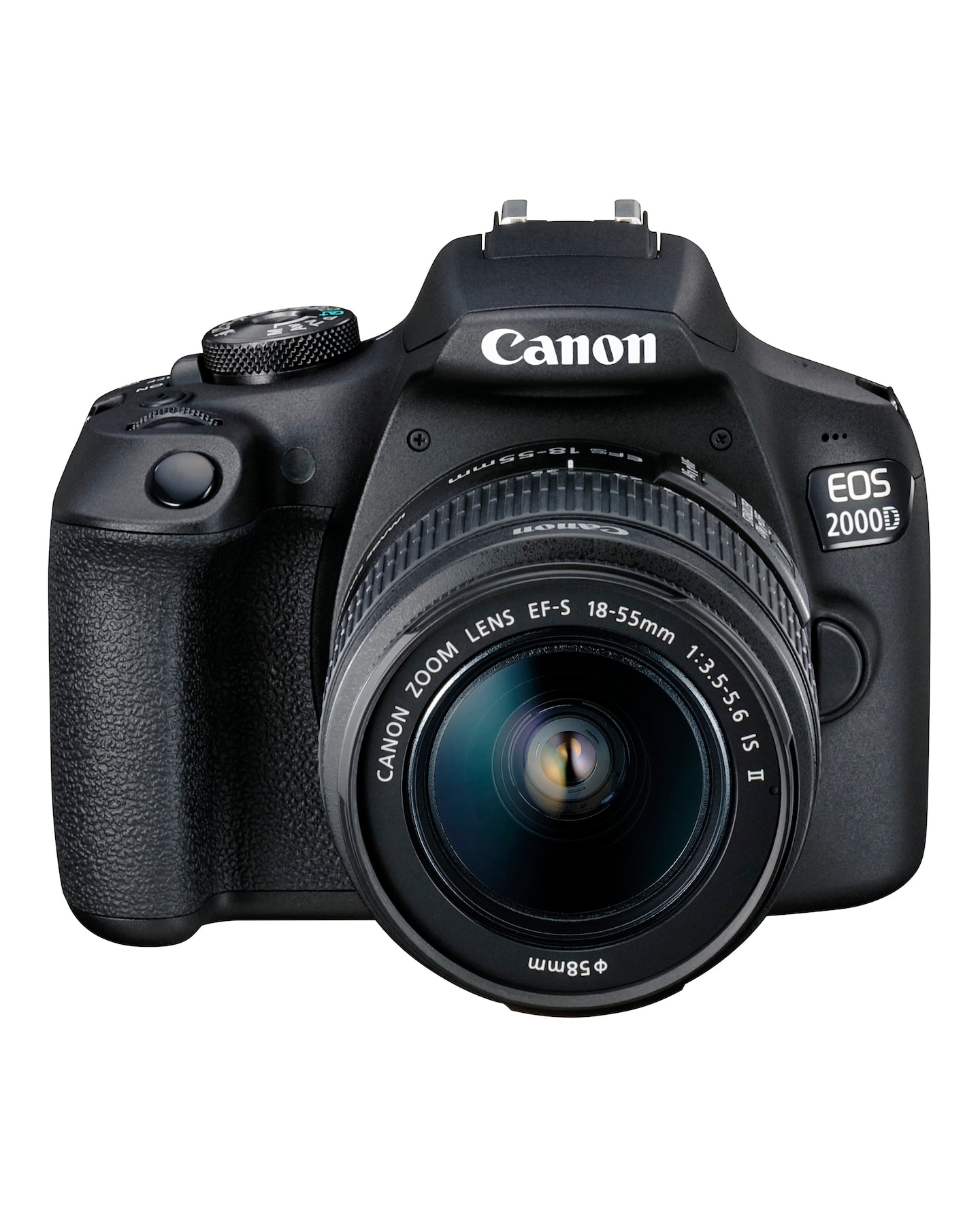
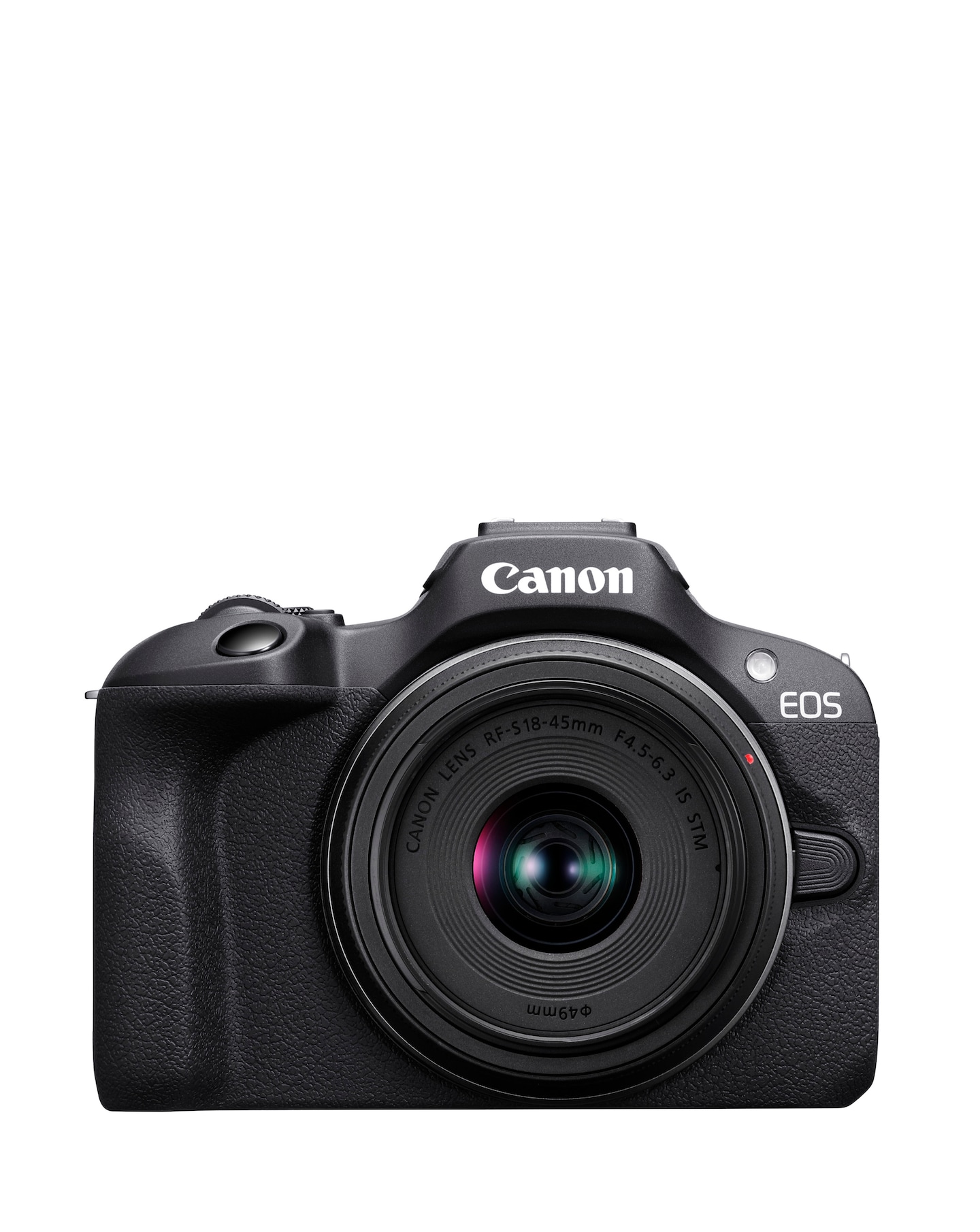
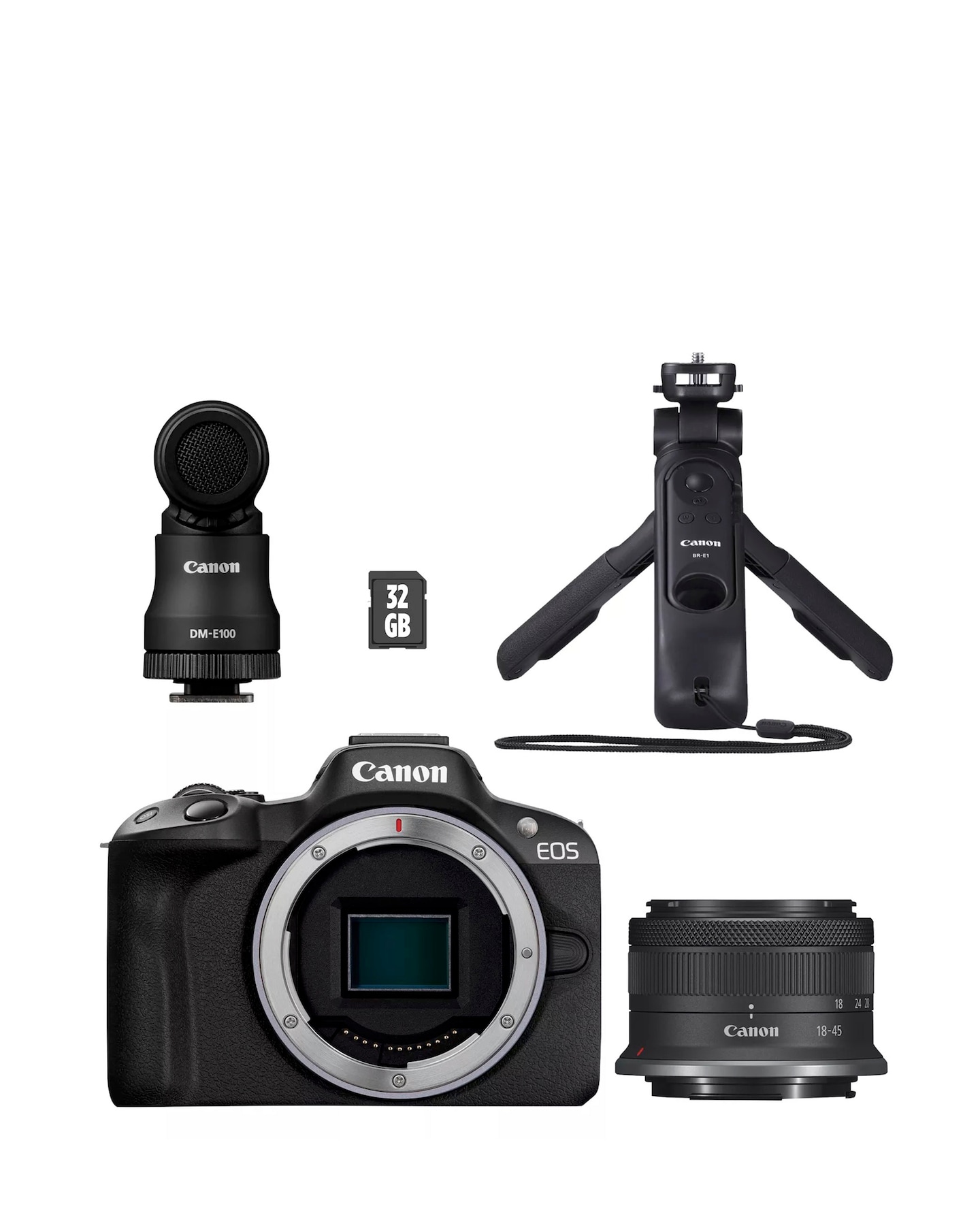
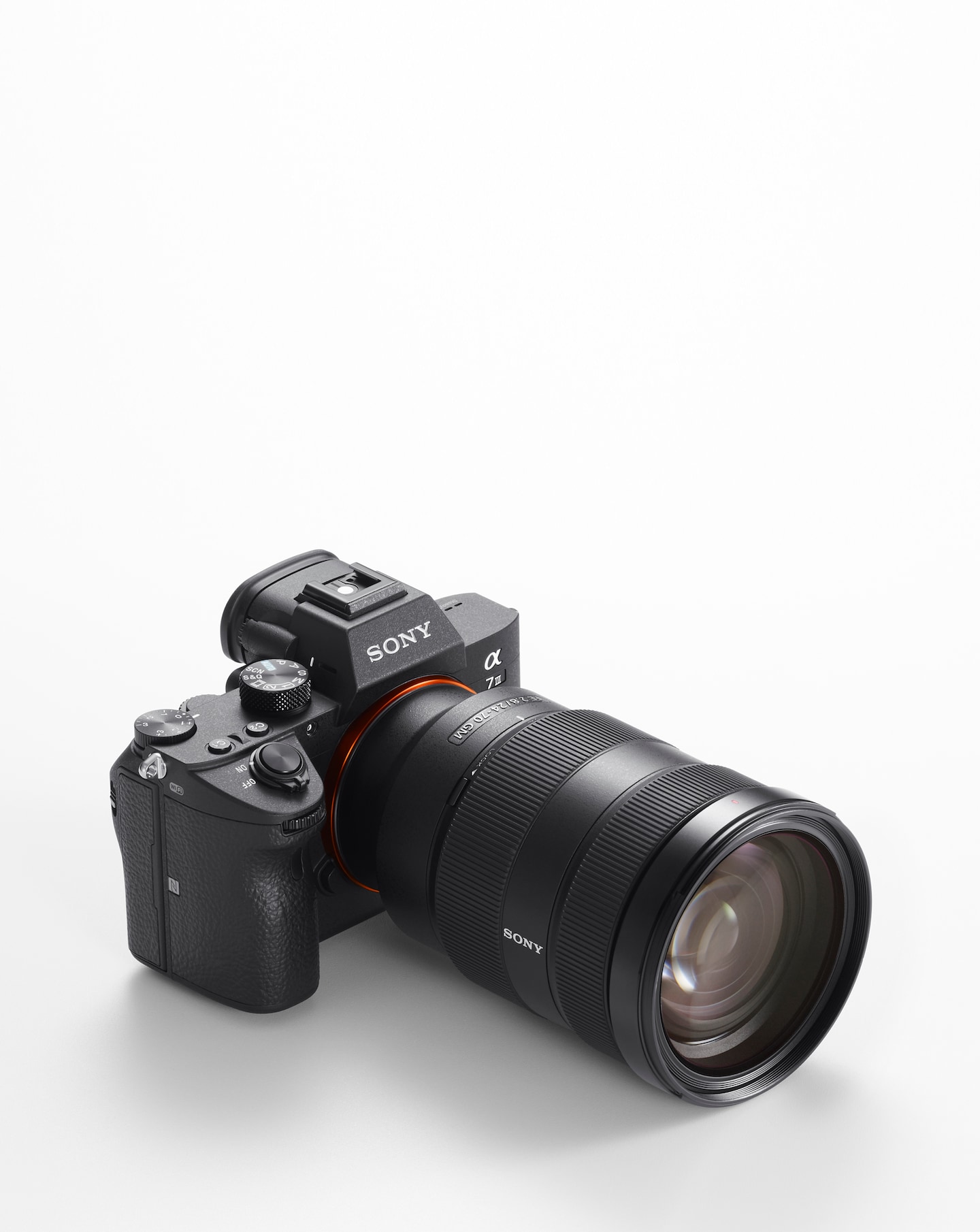
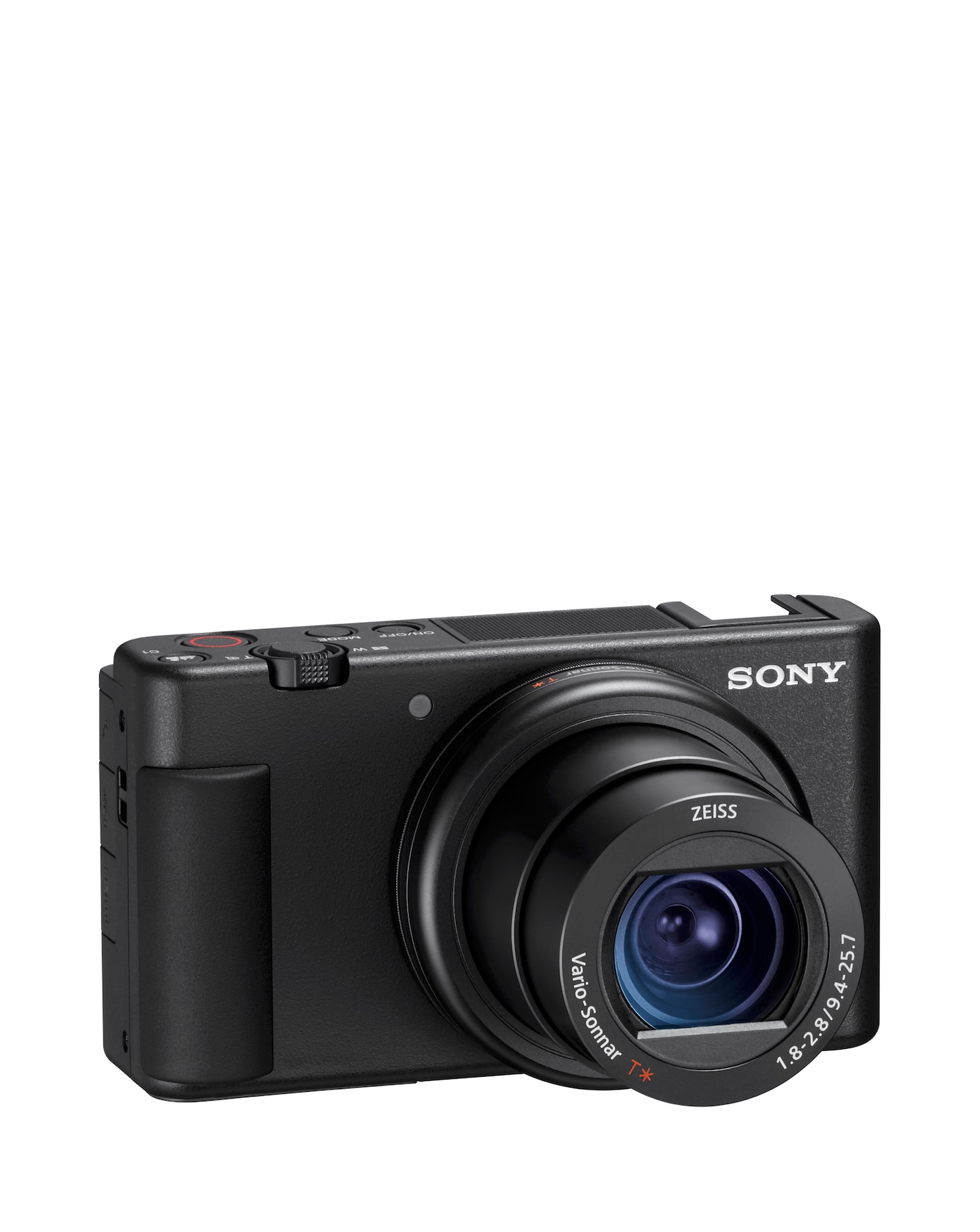
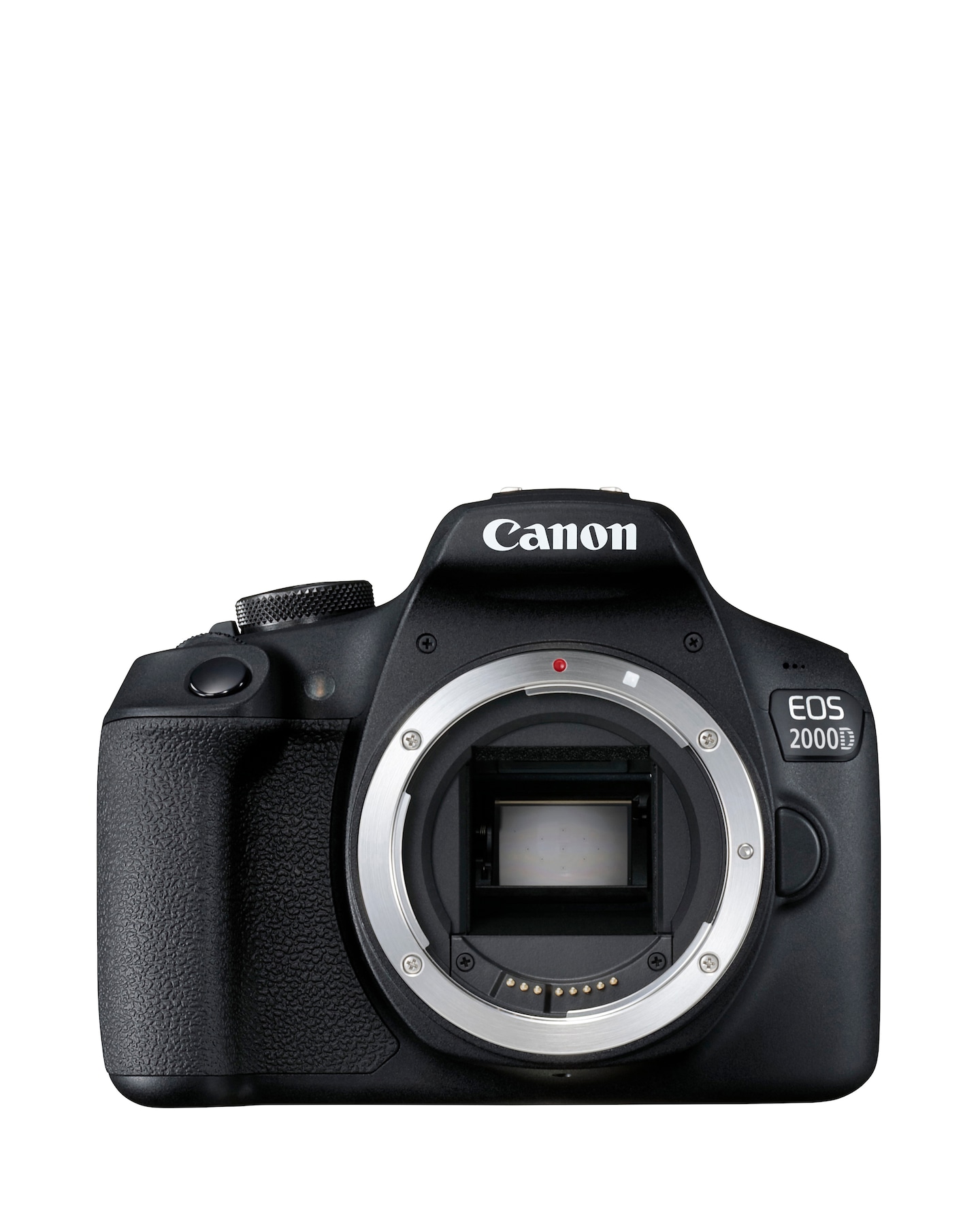
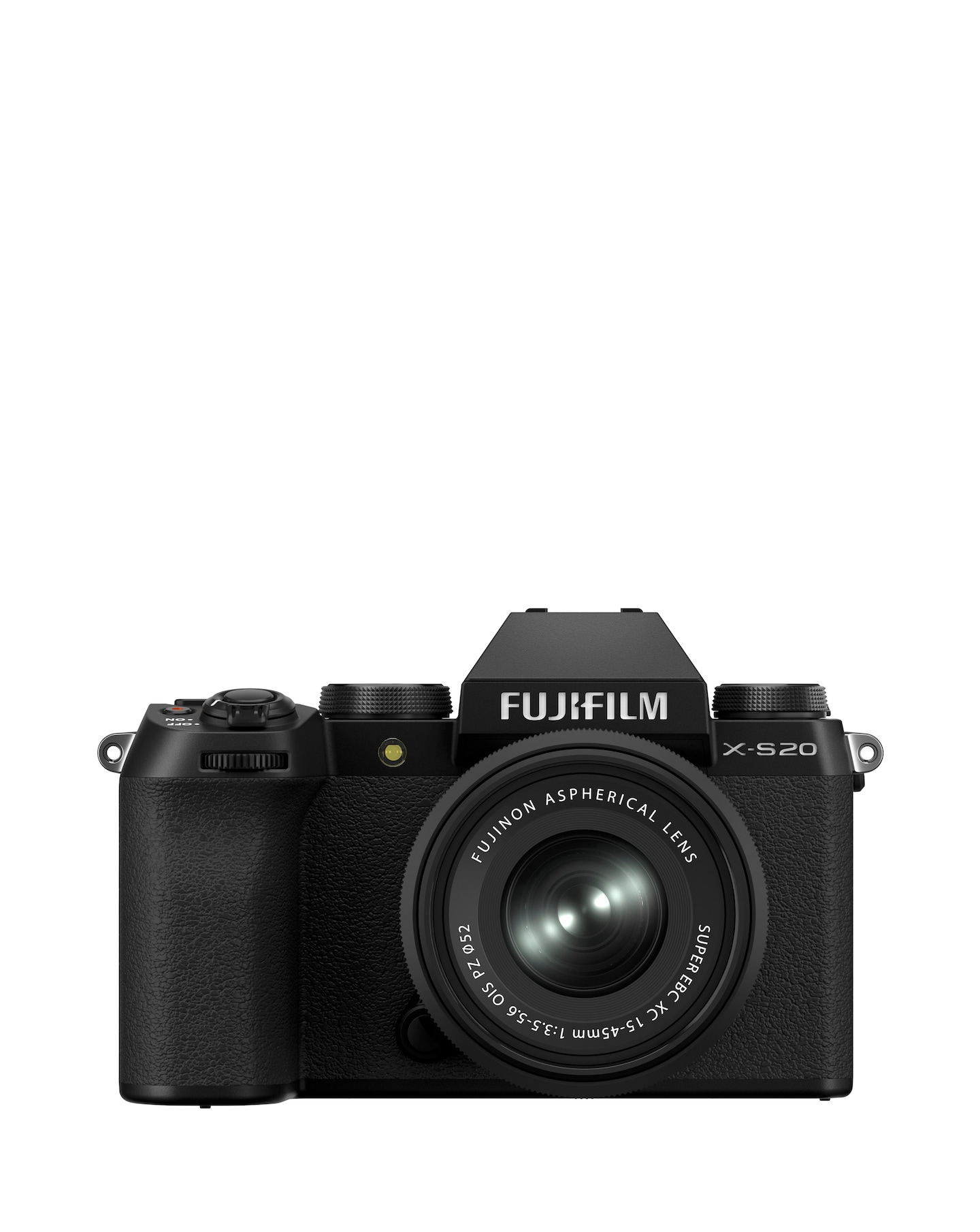
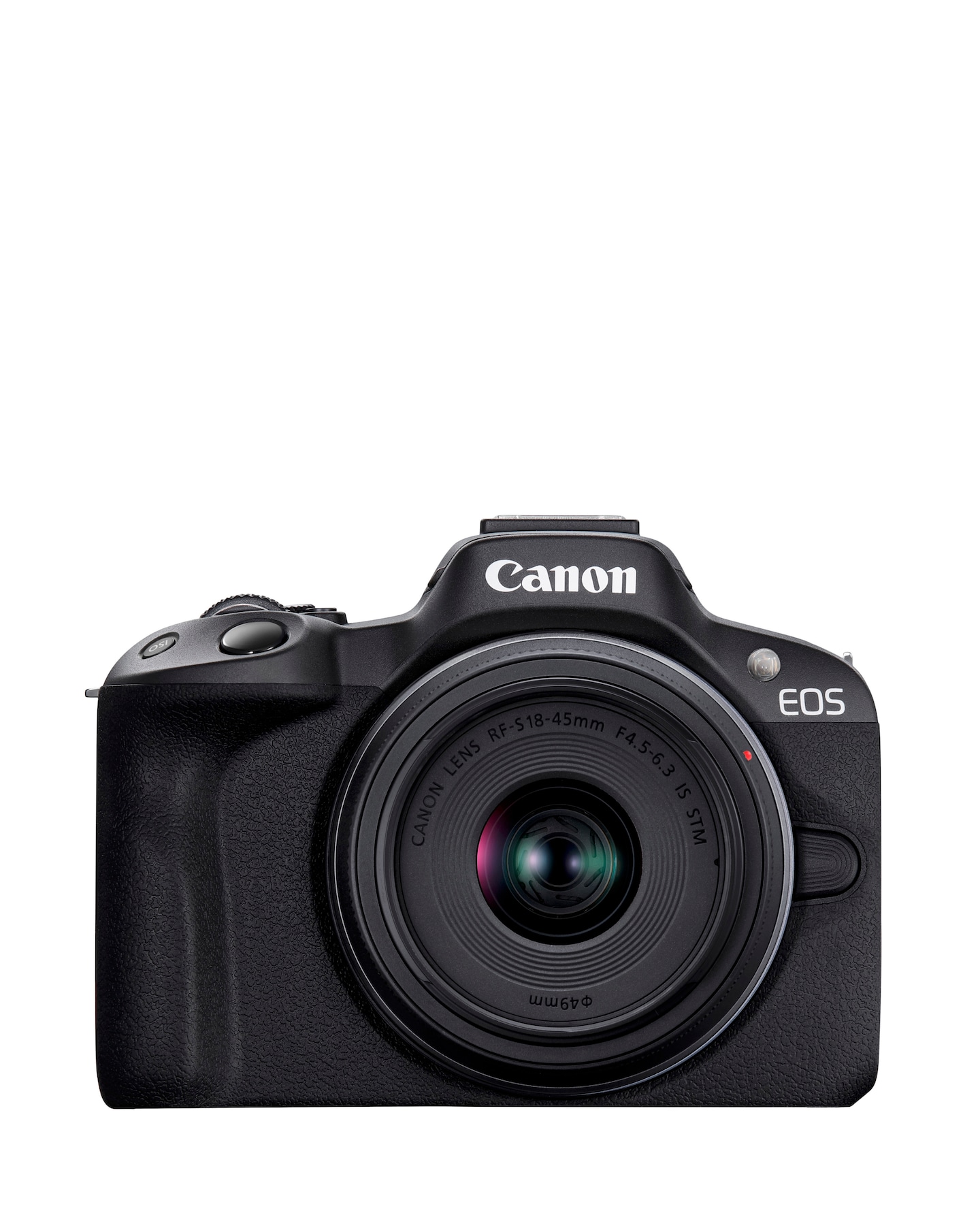
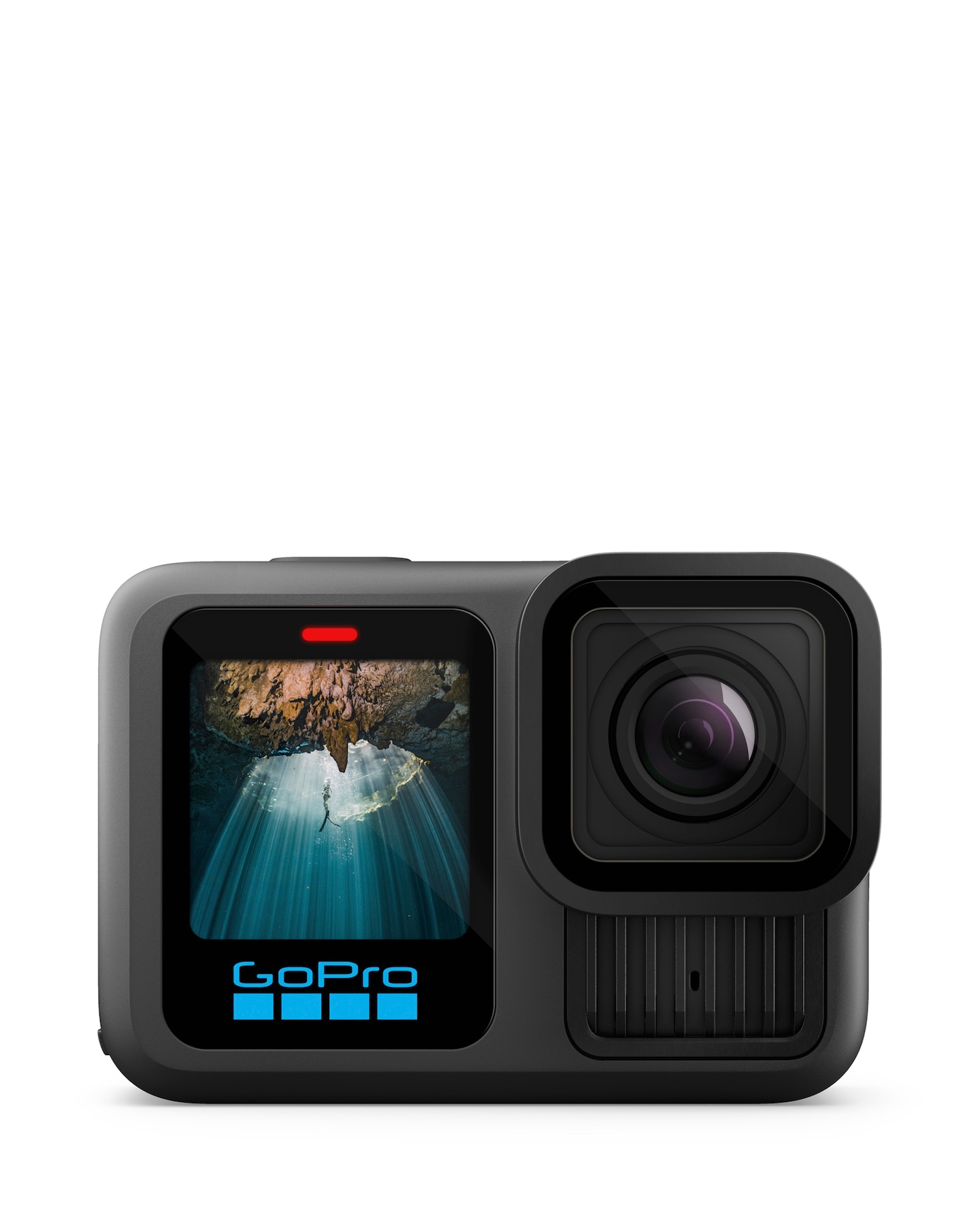
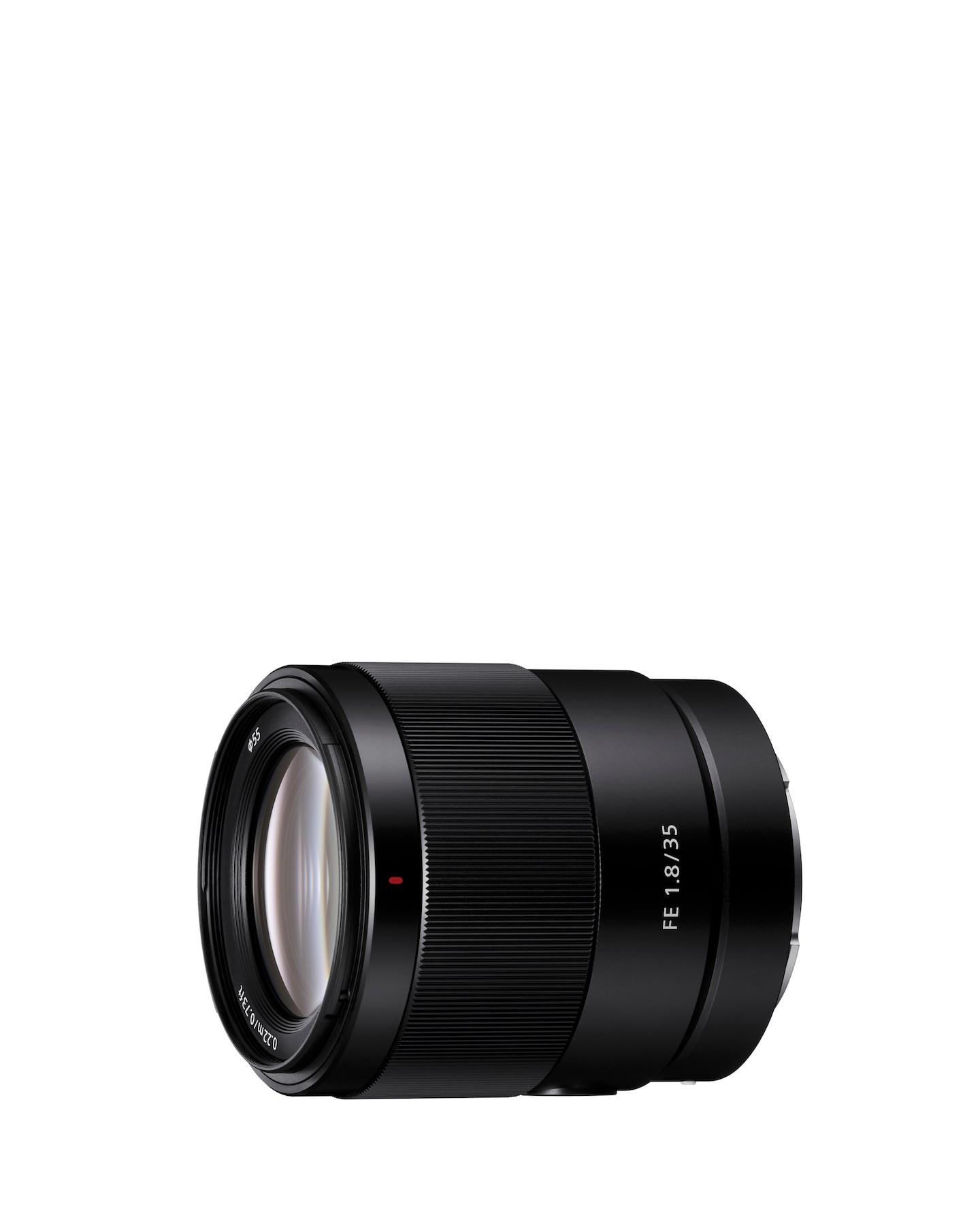
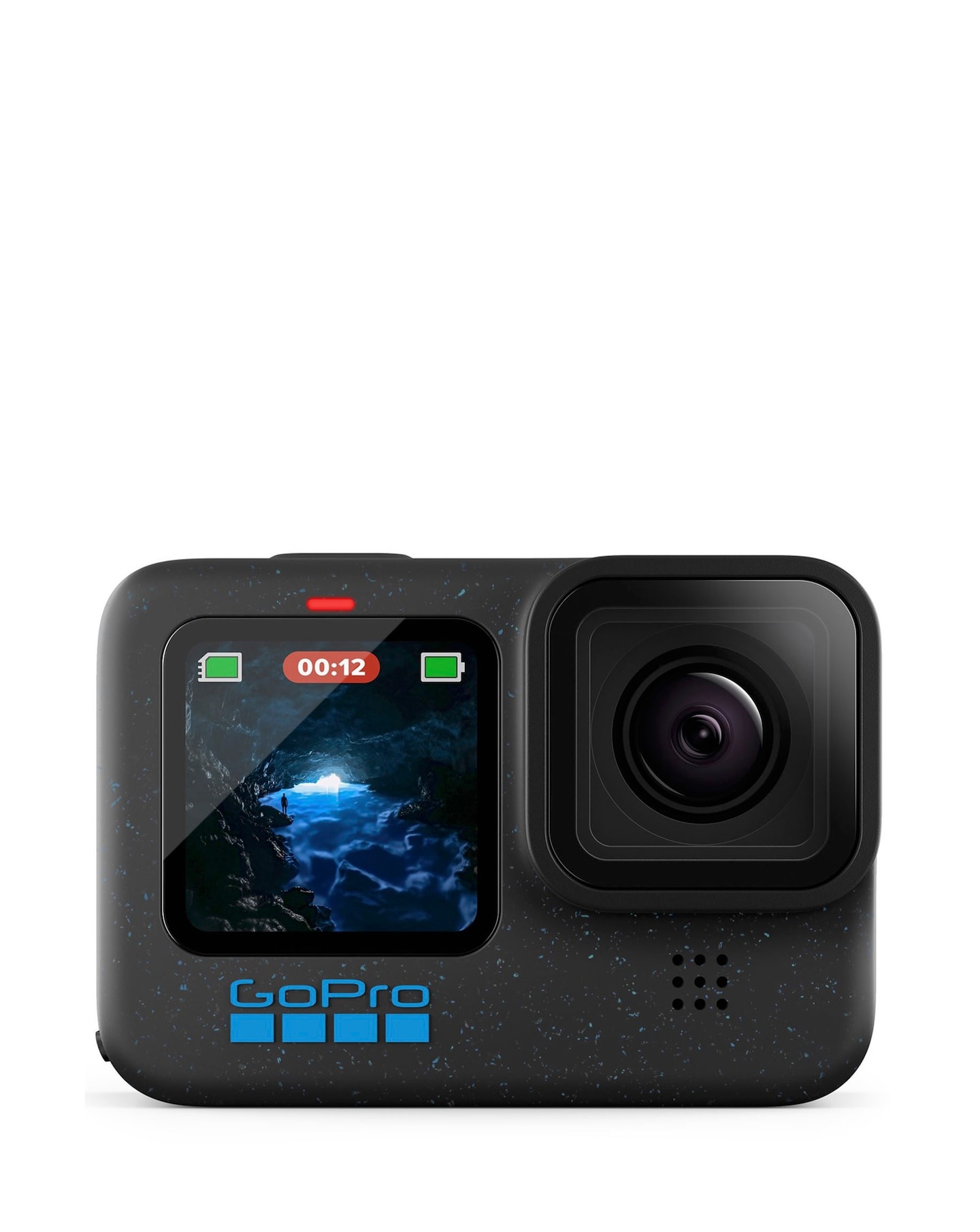
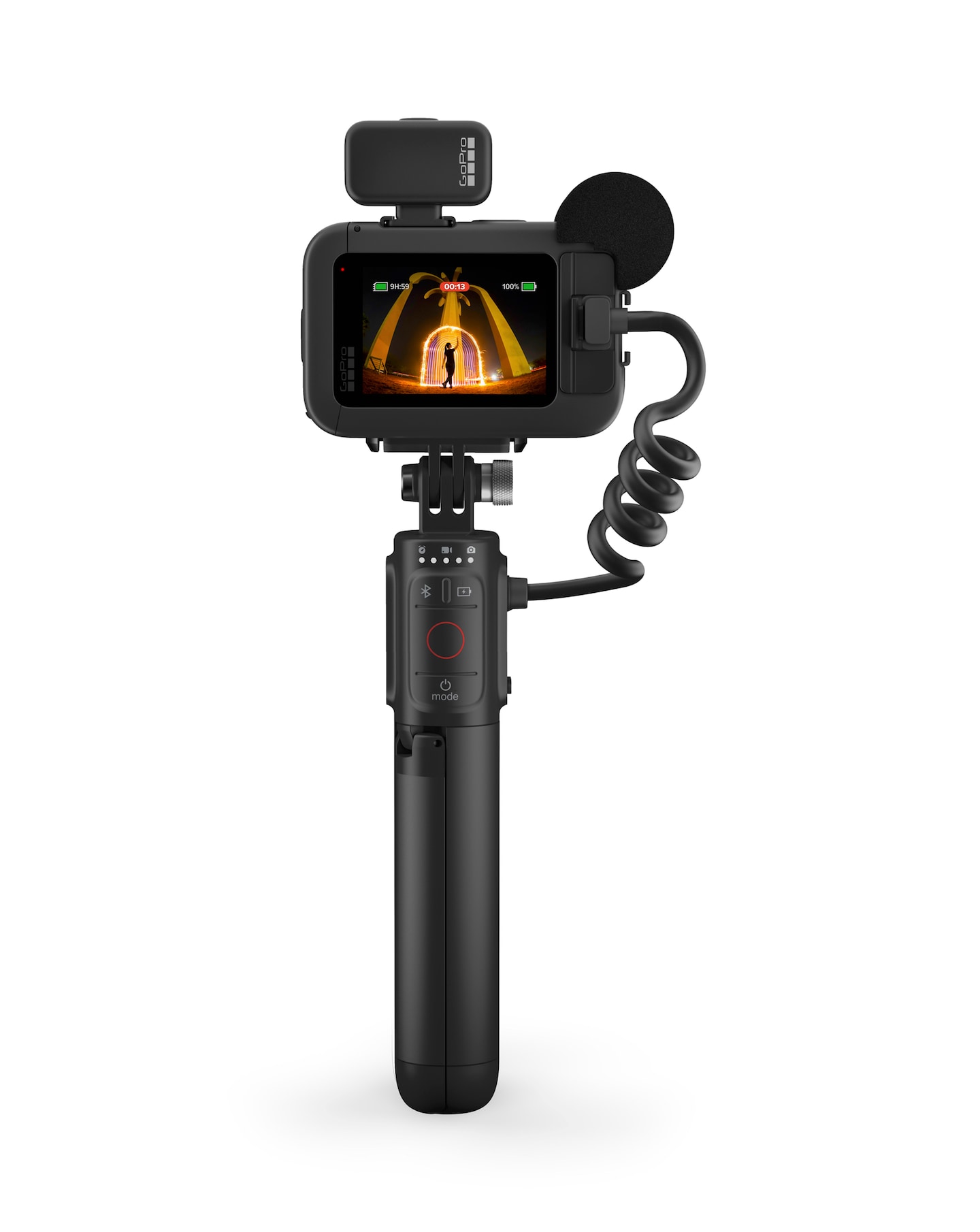
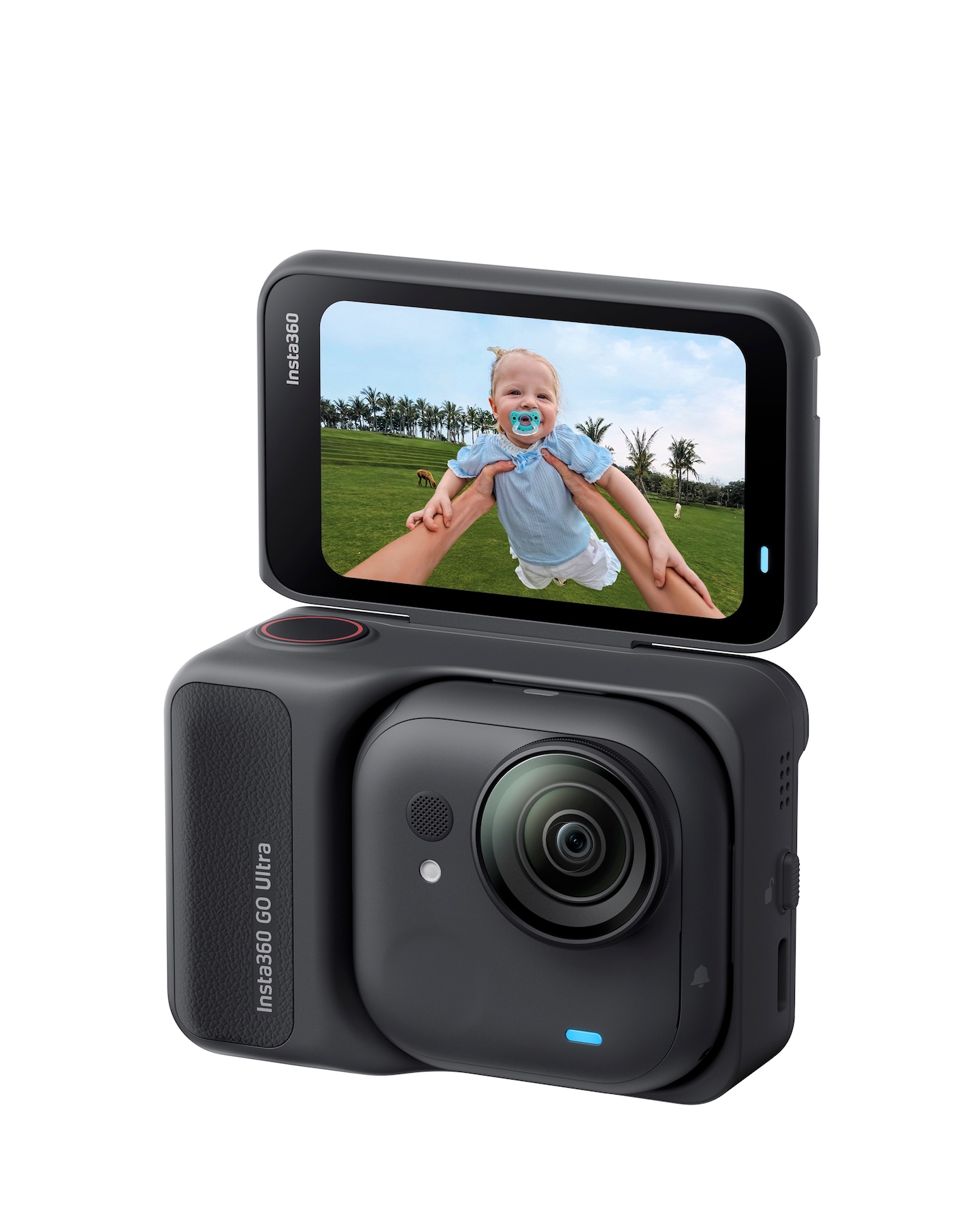
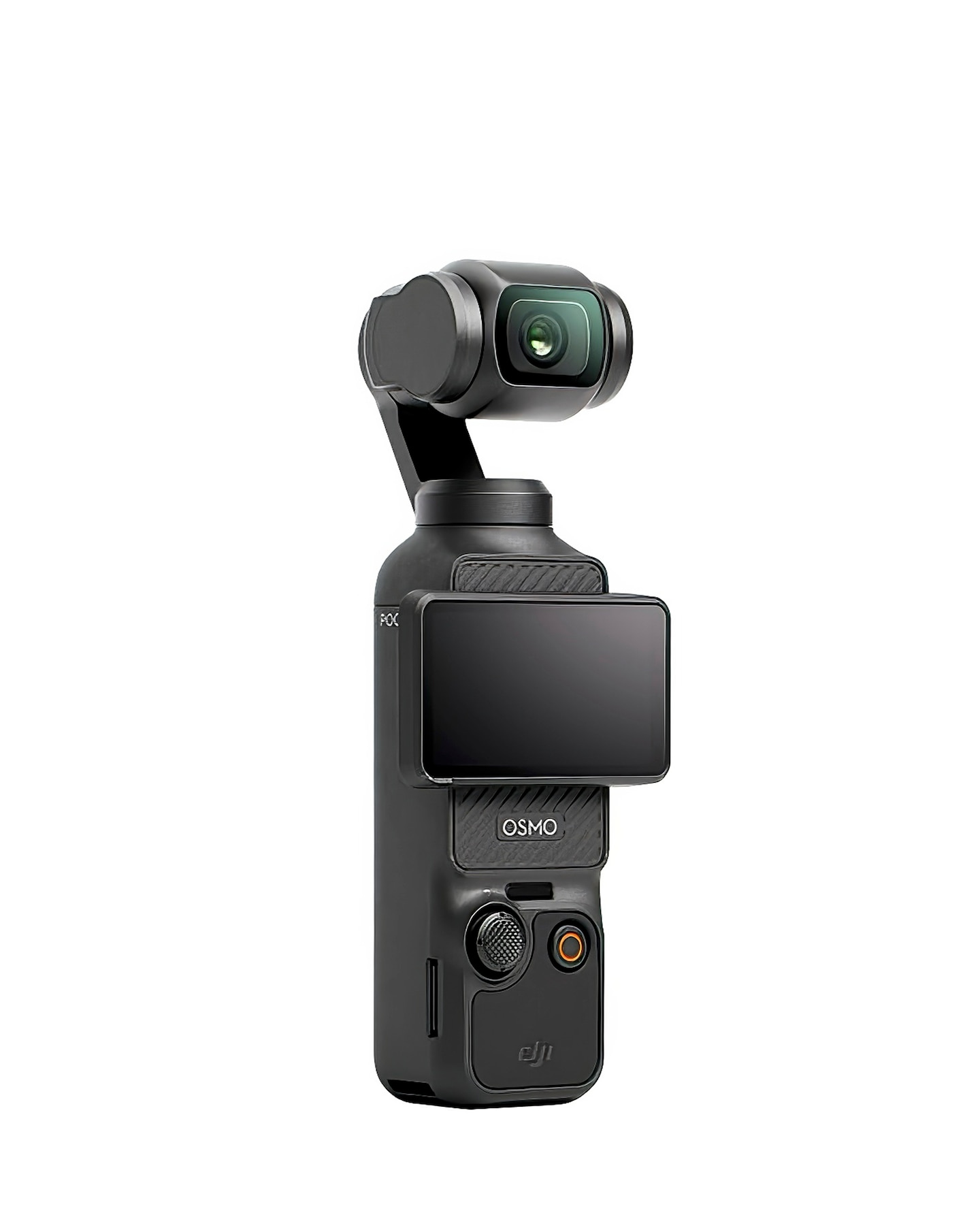
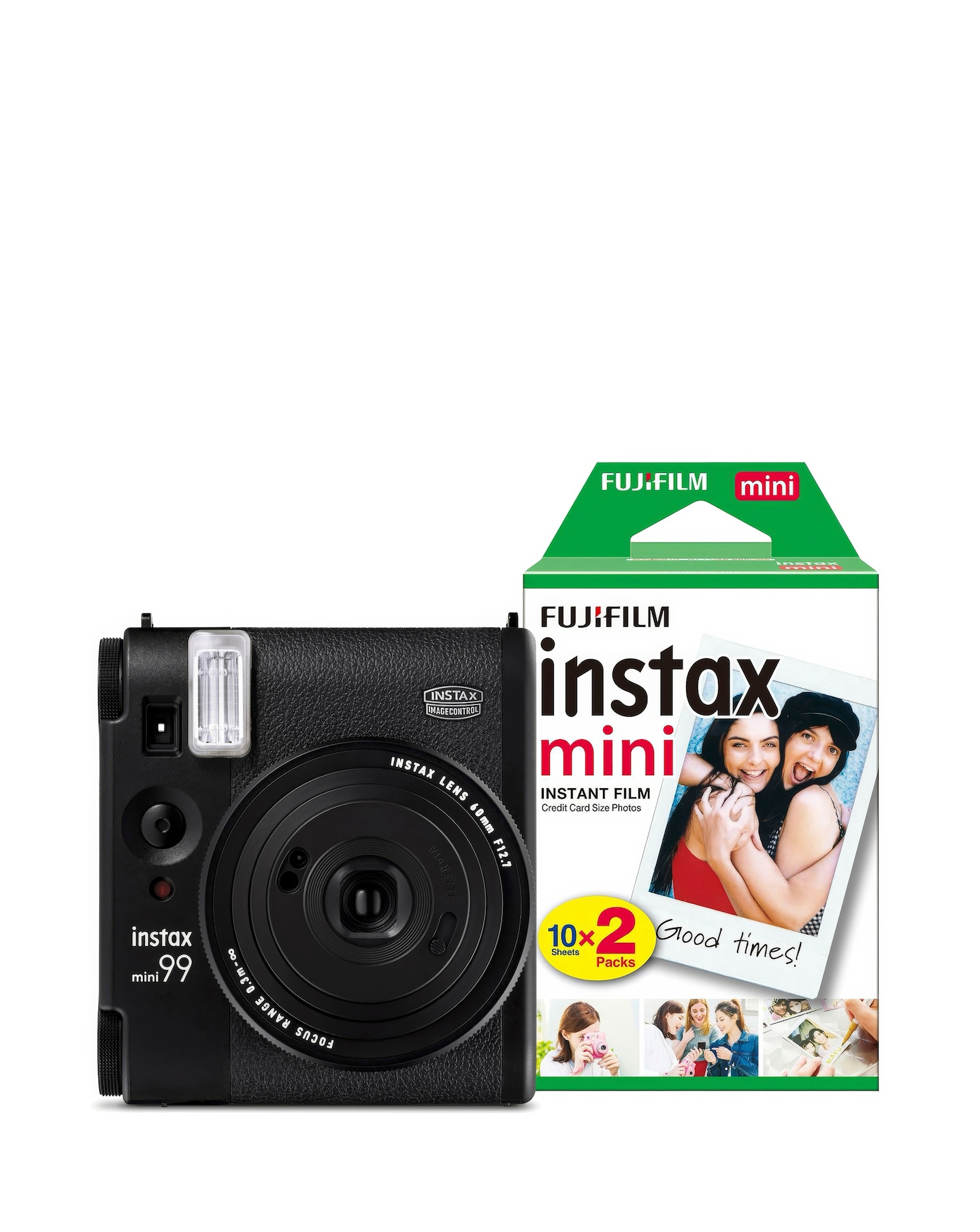
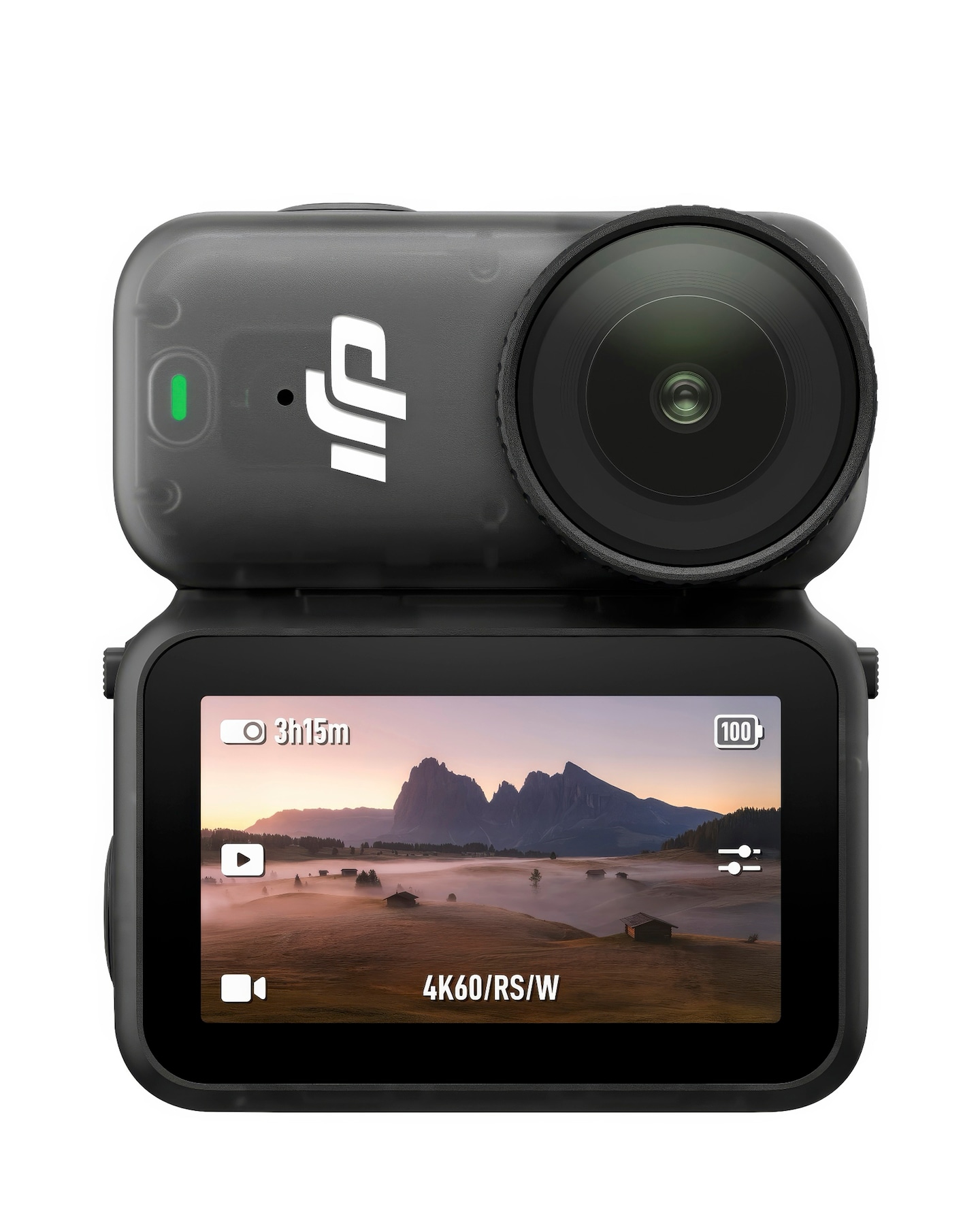
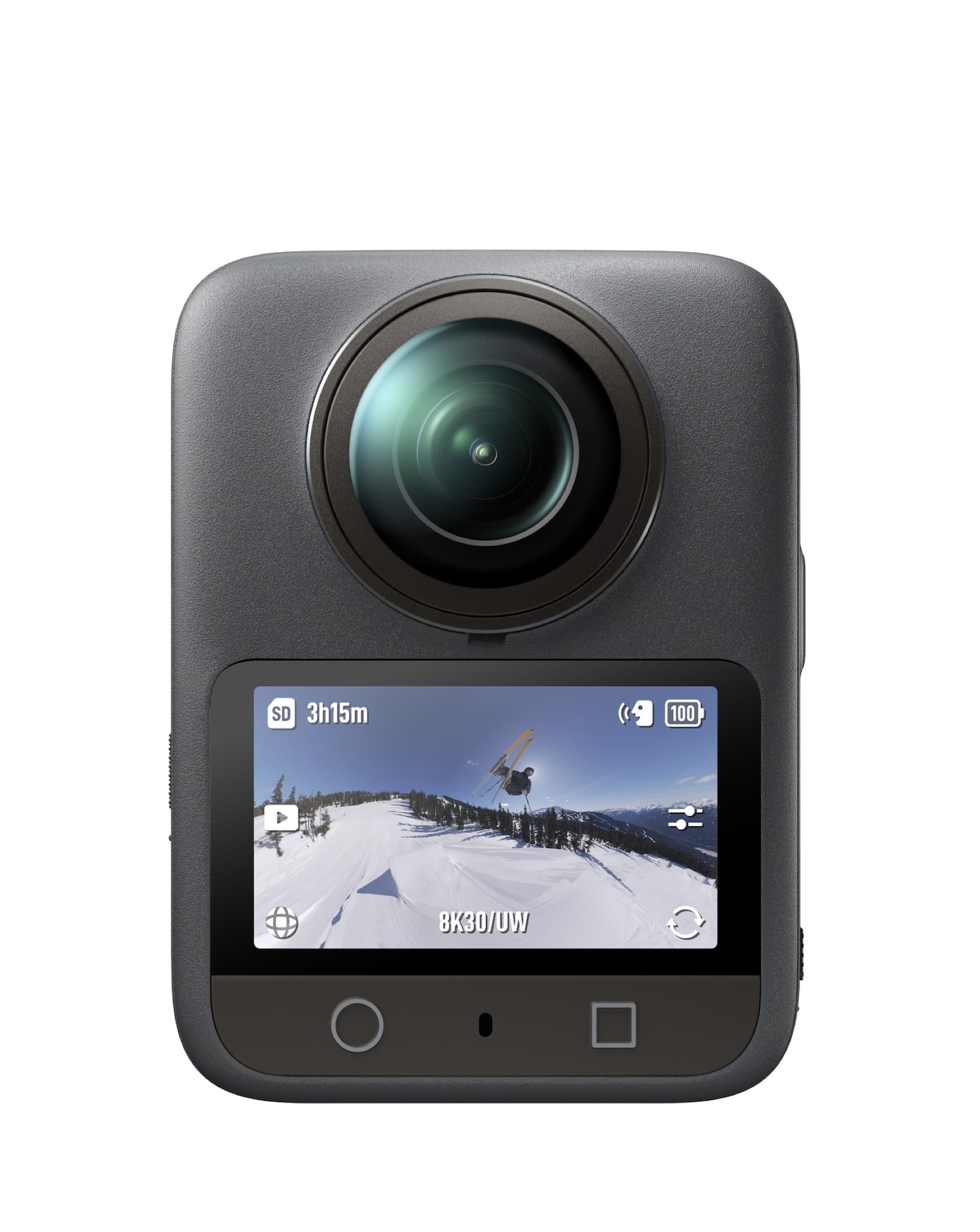
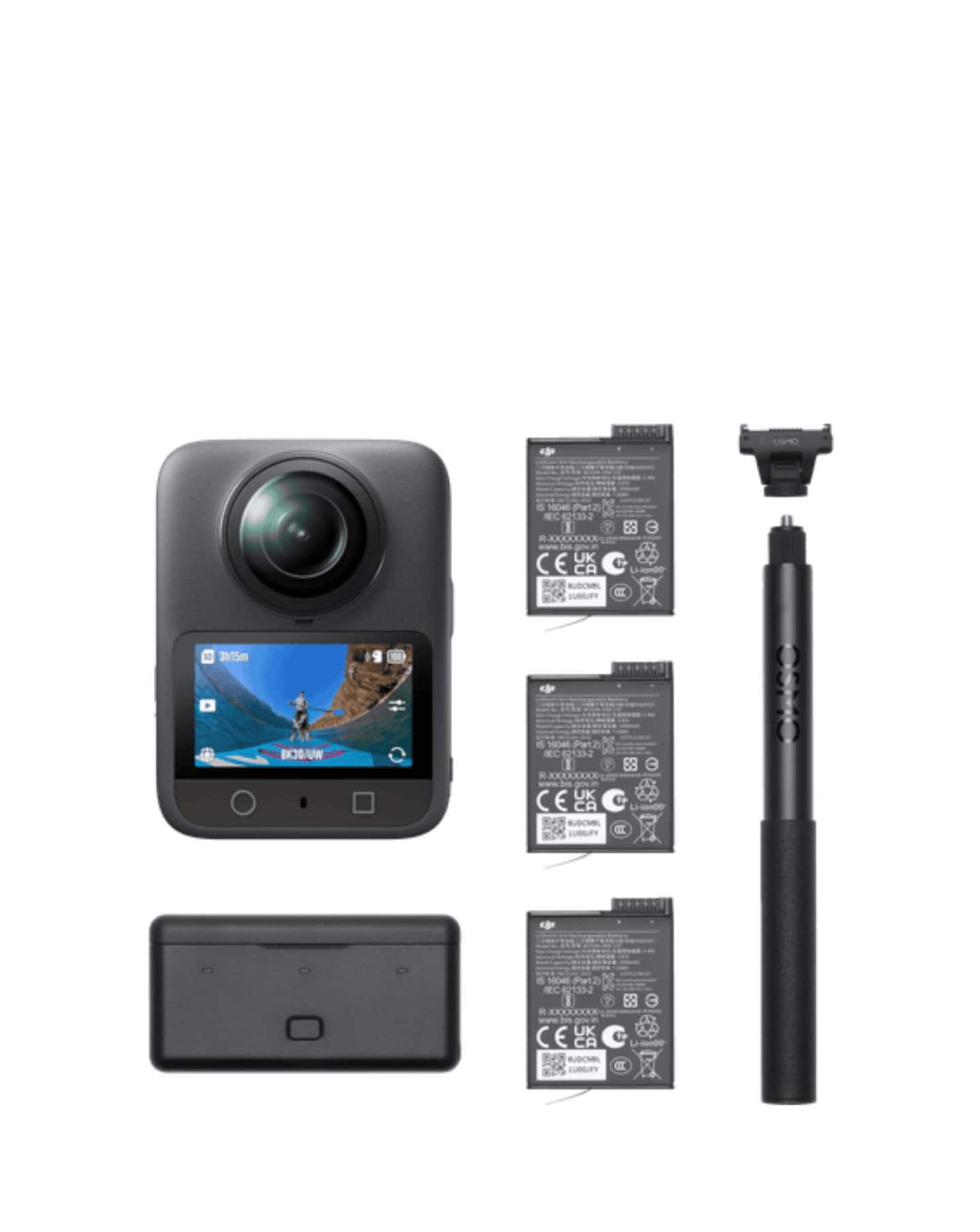
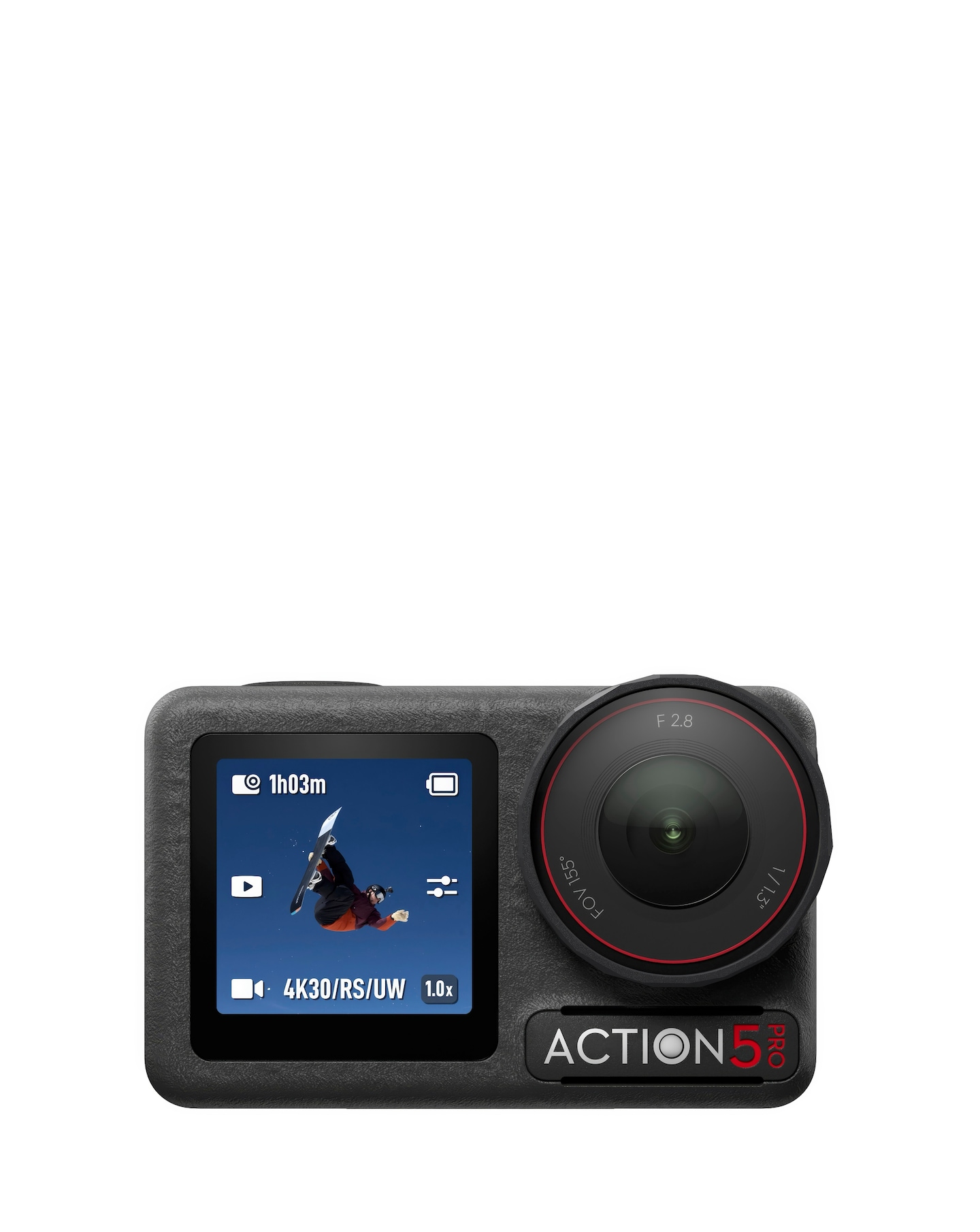
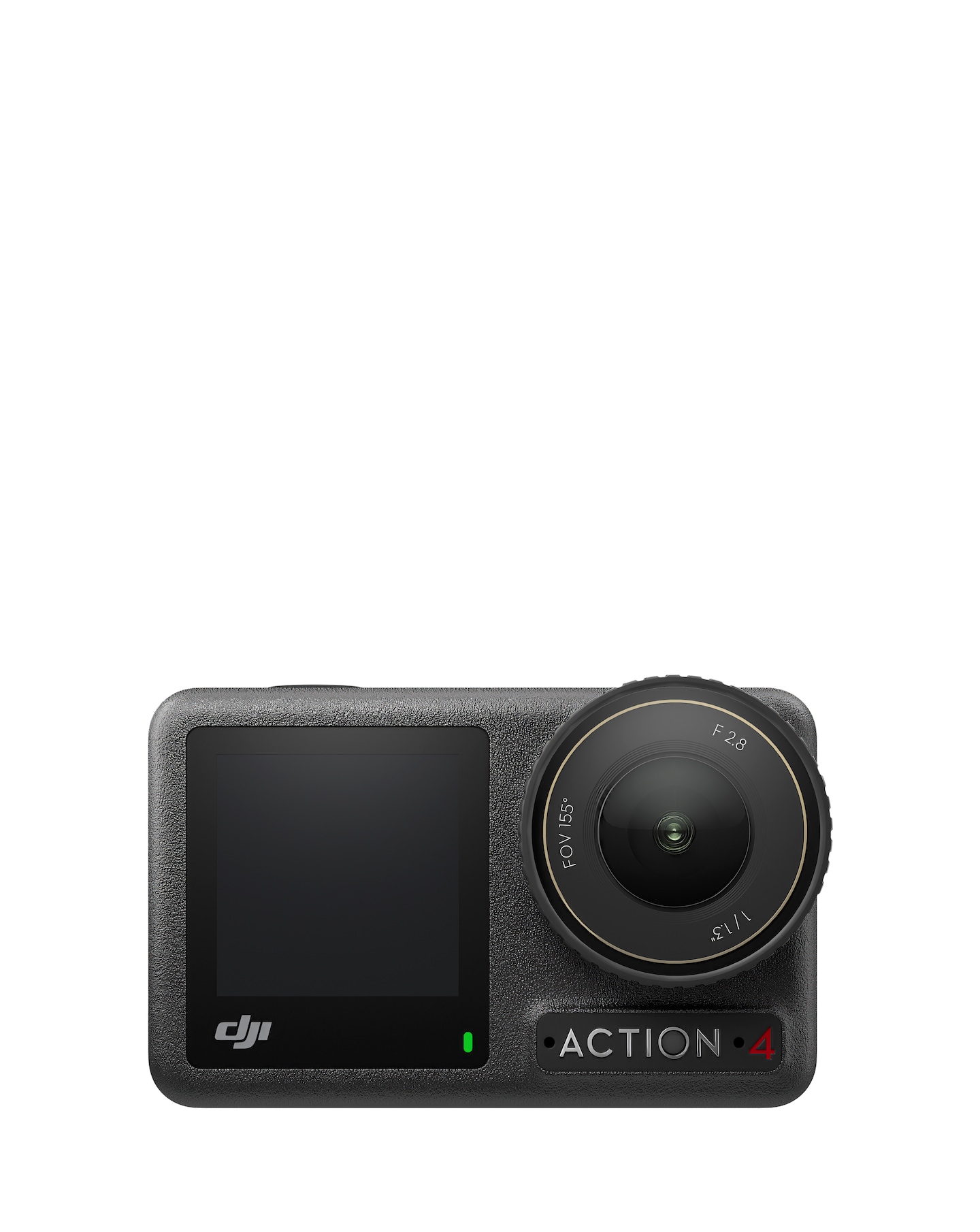
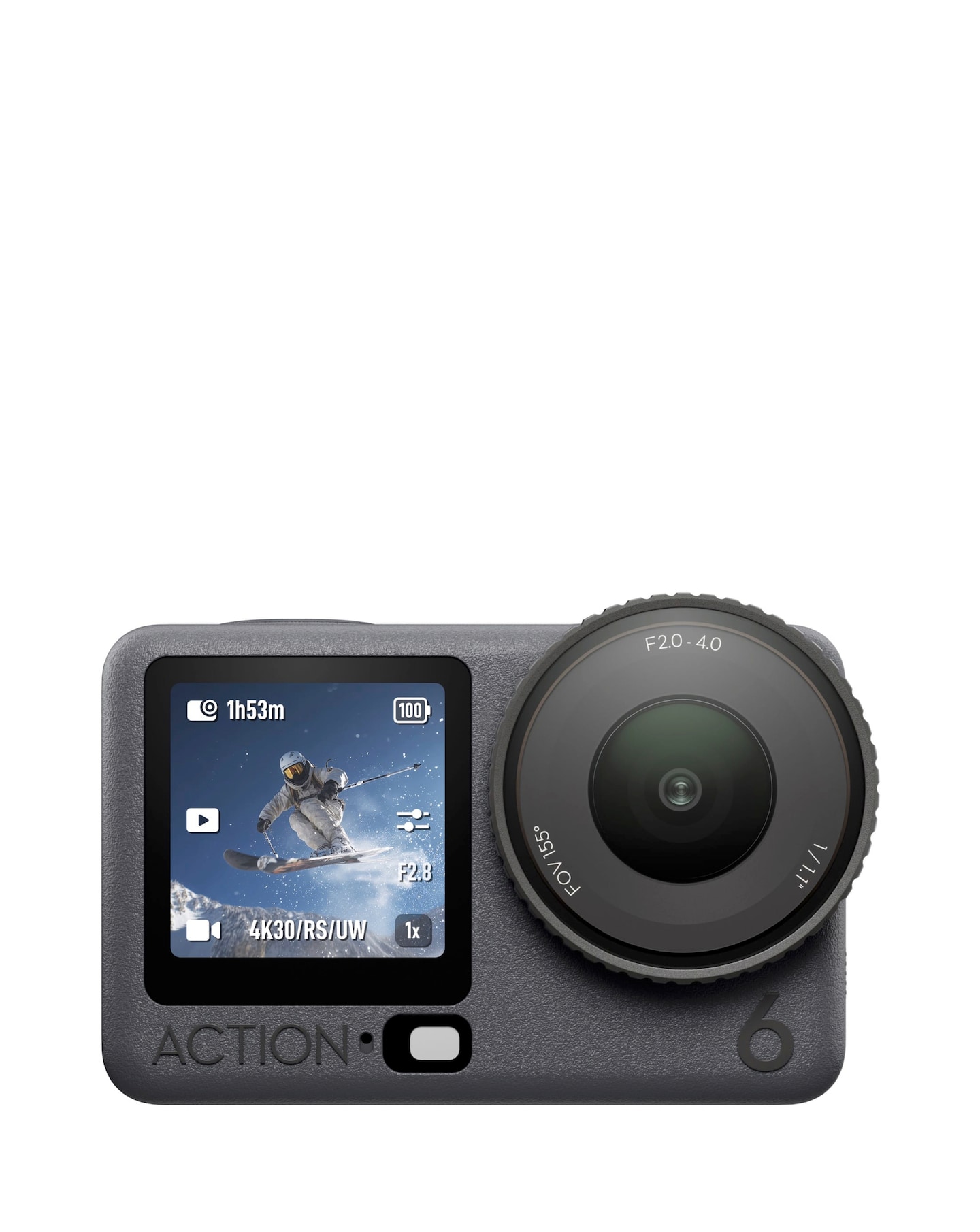
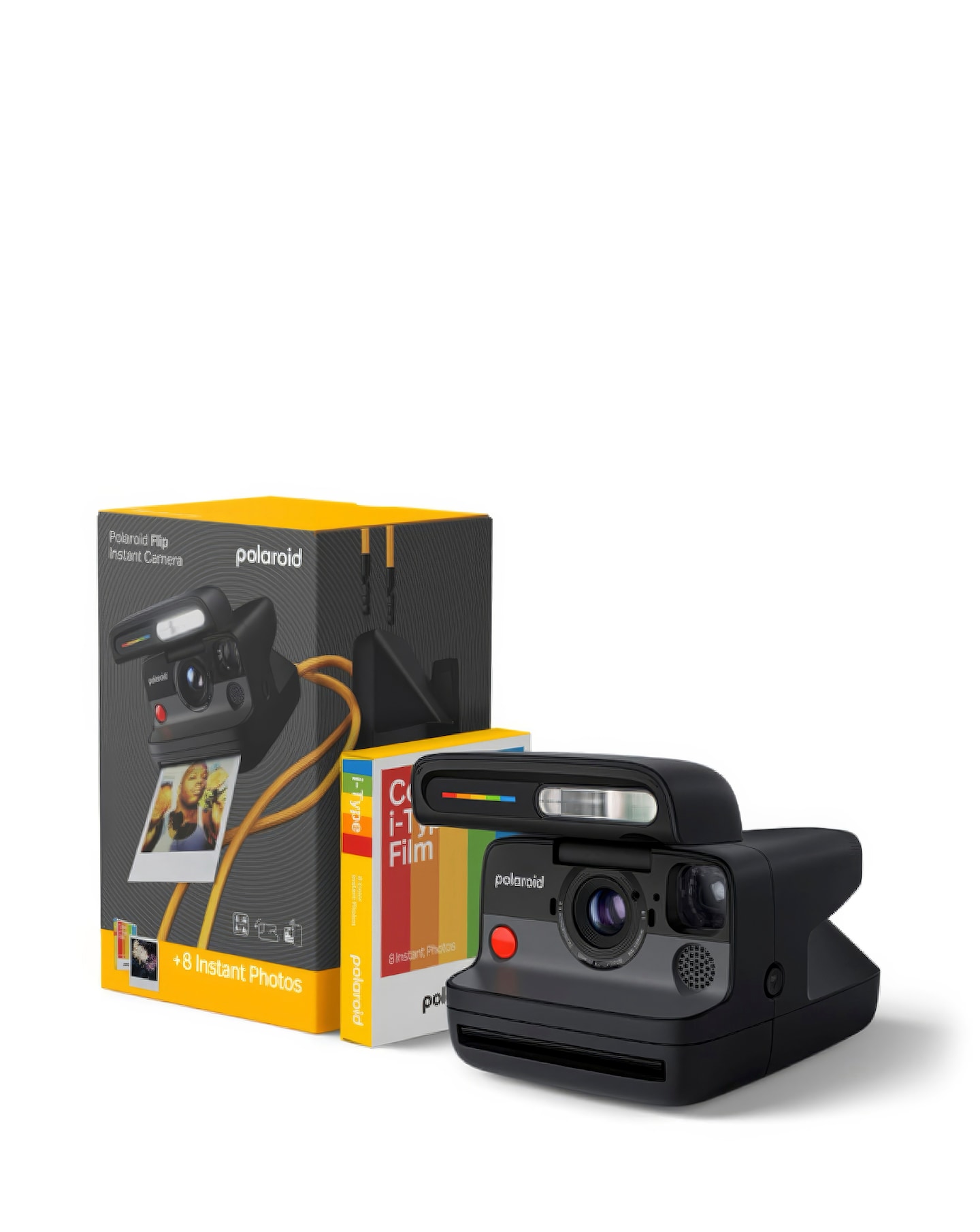
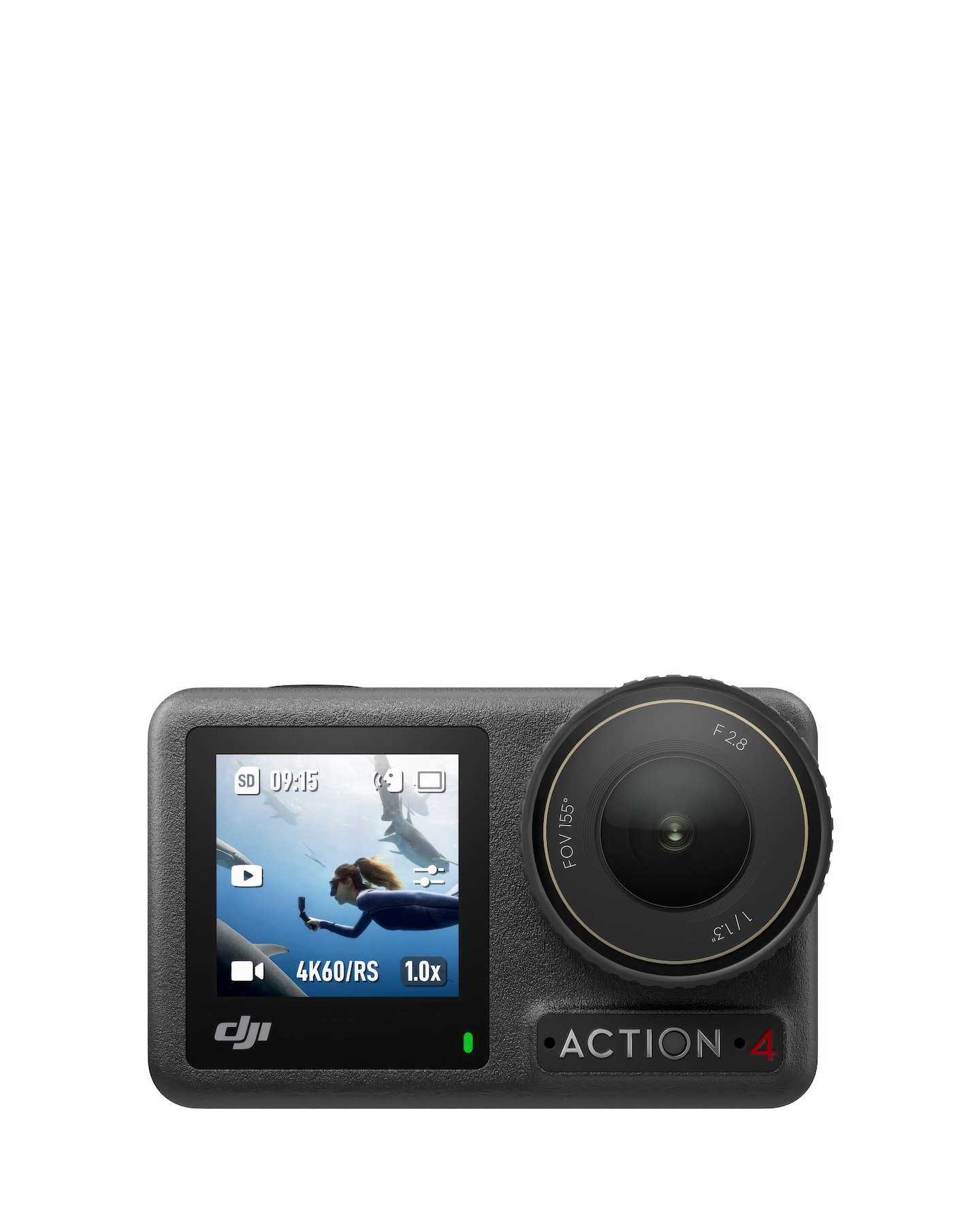
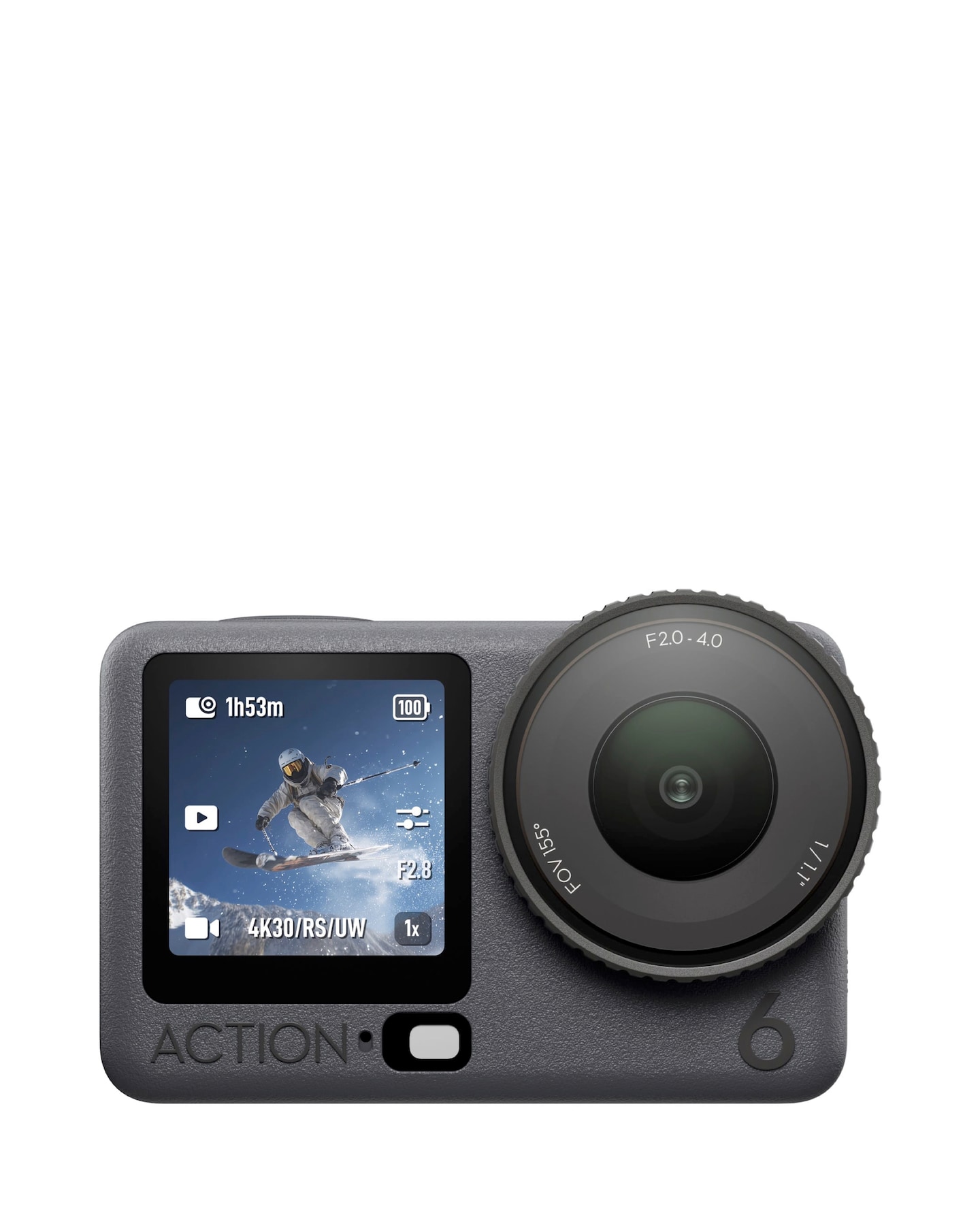
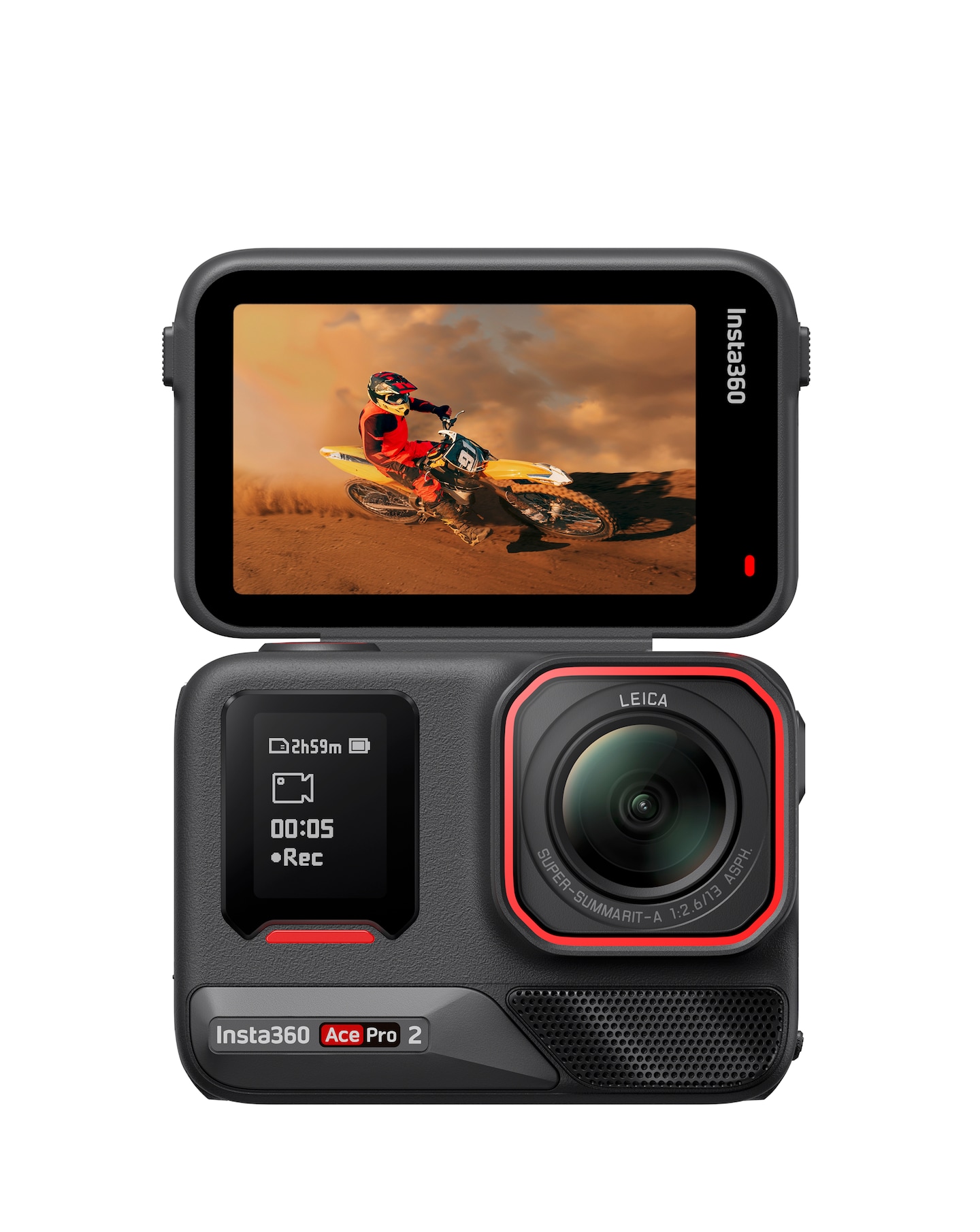
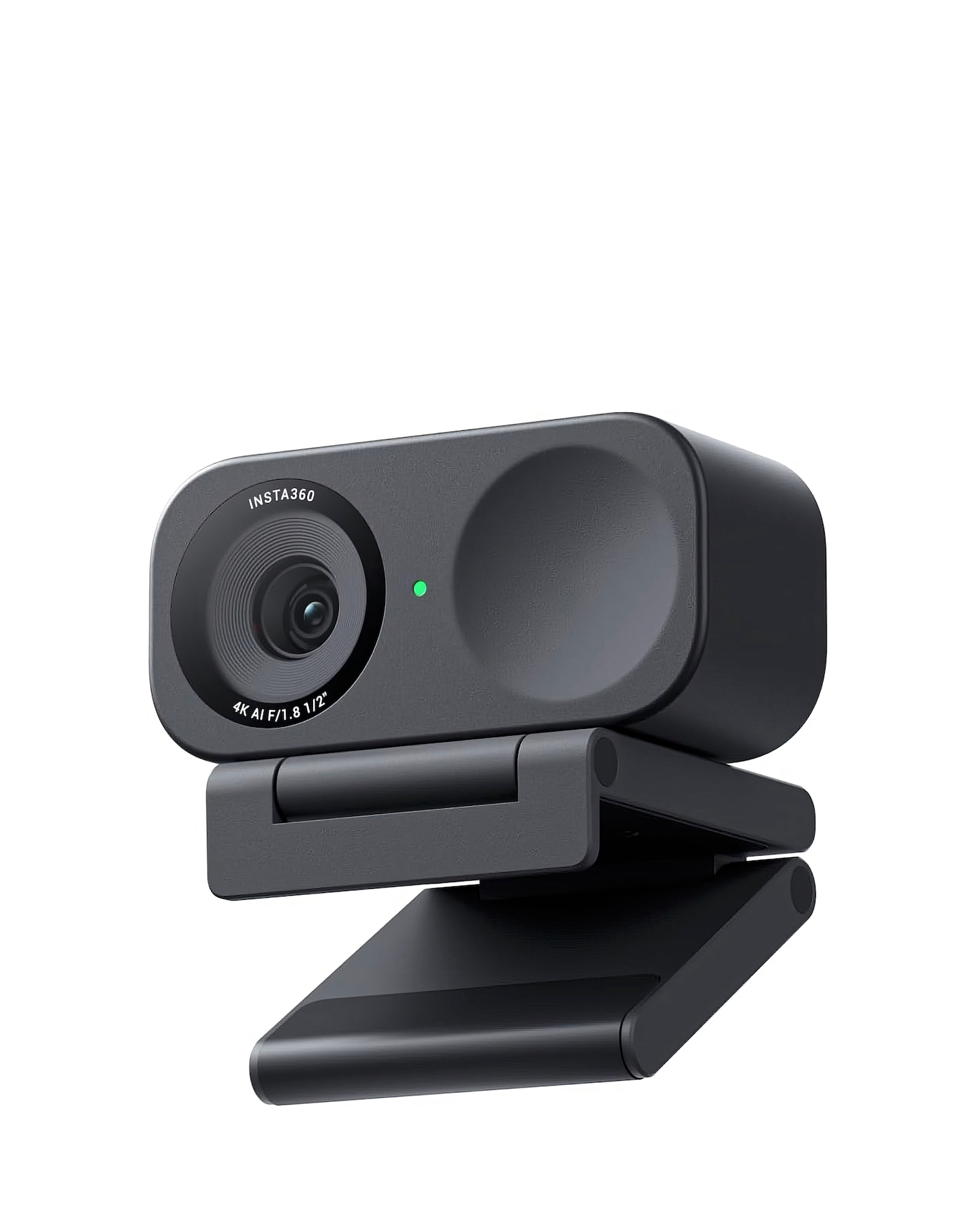
Explore our selection of cameras specifically designed for low-light photography, perfect for capturing stunning images in challenging lighting conditions. These cameras feature advanced sensors and enhanced ISO capabilities, allowing you to shoot with clarity and detail even in dim environments. With options ranging from compact models to versatile mirrorless systems, you can find the ideal camera to suit your photography style. Whether you're shooting night scenes, indoor events, or atmospheric landscapes, our collection ensures you won't miss a moment.
What features should I look for in a camera for low-light photography?
- When choosing a camera for low-light photography, look for a large sensor size, as this allows for better light capture. Additionally, high ISO performance and image stabilization features are crucial for reducing noise and ensuring sharp images in dark settings.
Can I use a regular camera for low-light photography?
- While regular cameras can be used for low-light photography, they may not perform as well as those specifically designed for such conditions. Cameras with larger sensors and better low-light capabilities will yield superior results, reducing noise and improving image quality.
What is the importance of lens aperture in low-light photography?
- A lens with a wide aperture (low f-number) allows more light to enter the camera, which is essential for low-light photography. This enables faster shutter speeds and better focus in dim conditions, resulting in clearer and more vibrant images.
Are mirrorless cameras better for low-light photography?
- Mirrorless cameras often excel in low-light situations due to their advanced sensor technology and faster autofocus systems. They typically offer better performance at higher ISO settings, making them a popular choice for photographers who frequently shoot in low-light environments.
What settings should I use for low-light photography?
- For low-light photography, start with a higher ISO setting to increase sensitivity to light. Use a wide aperture to allow more light to hit the sensor, and consider slowing down the shutter speed to capture more detail. However, be mindful of motion blur and use a tripod if necessary.