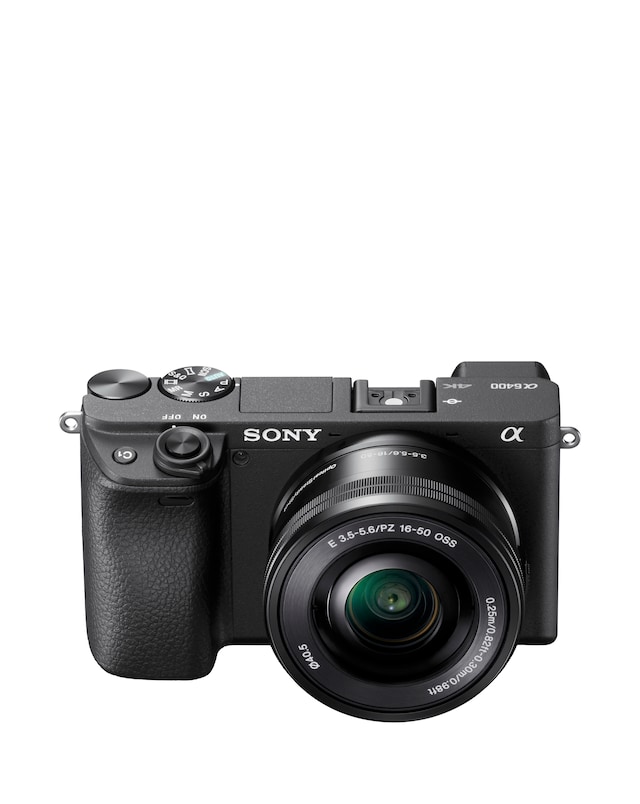
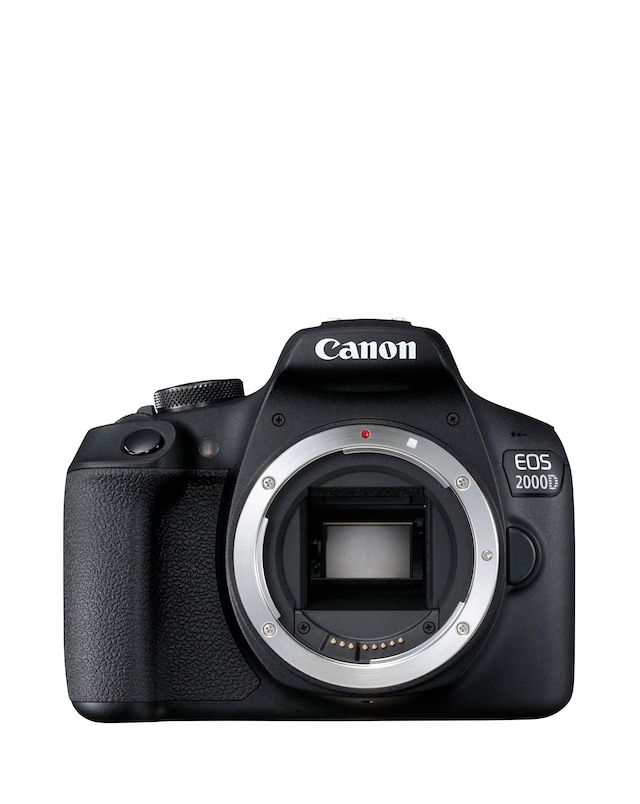
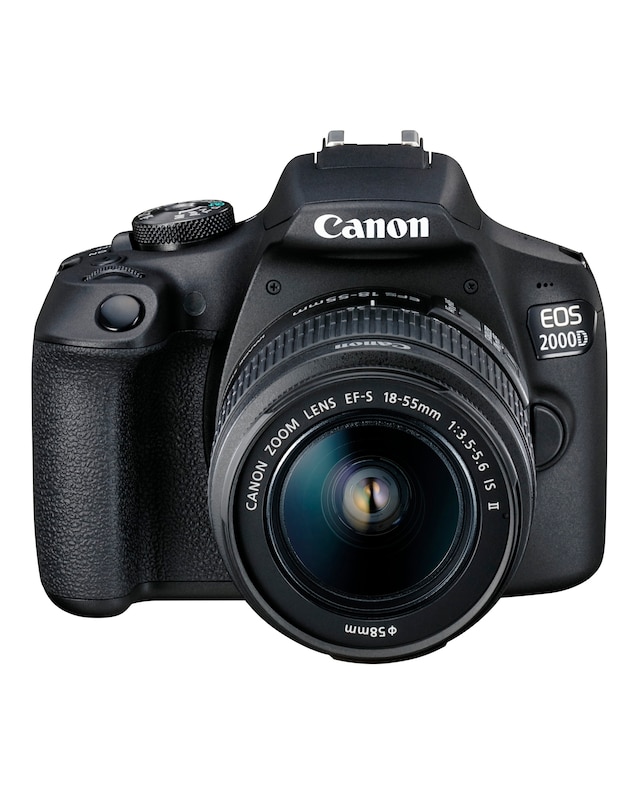
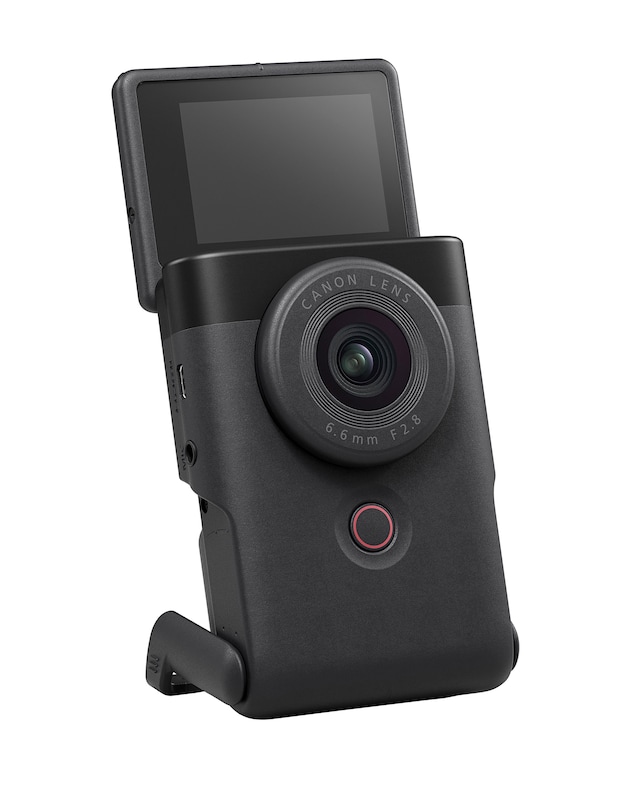
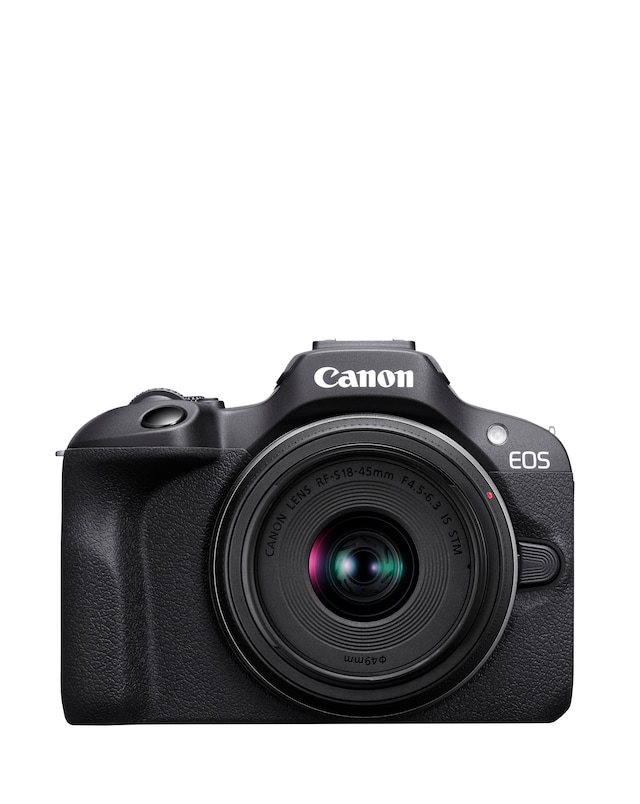
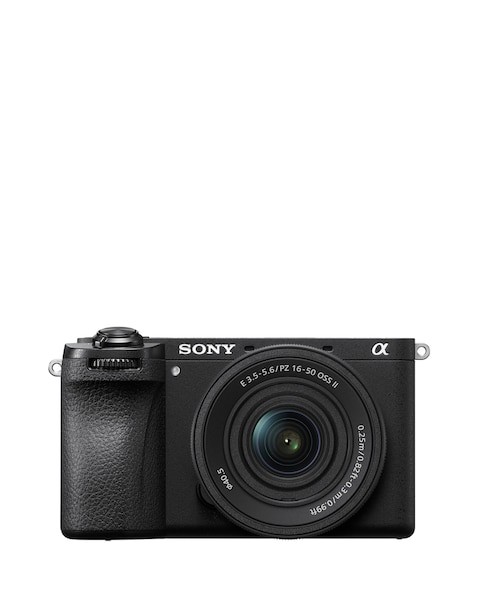
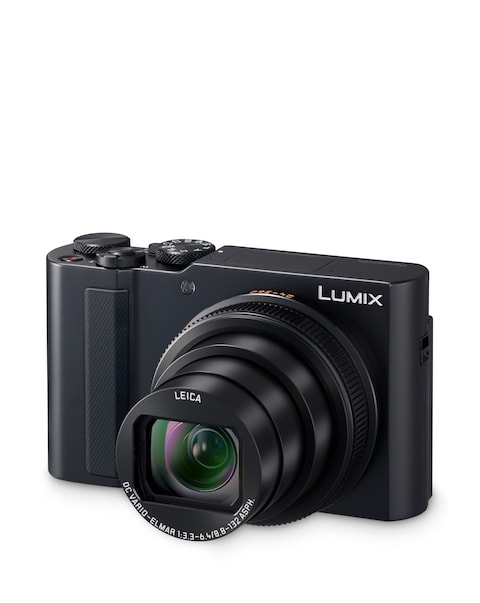
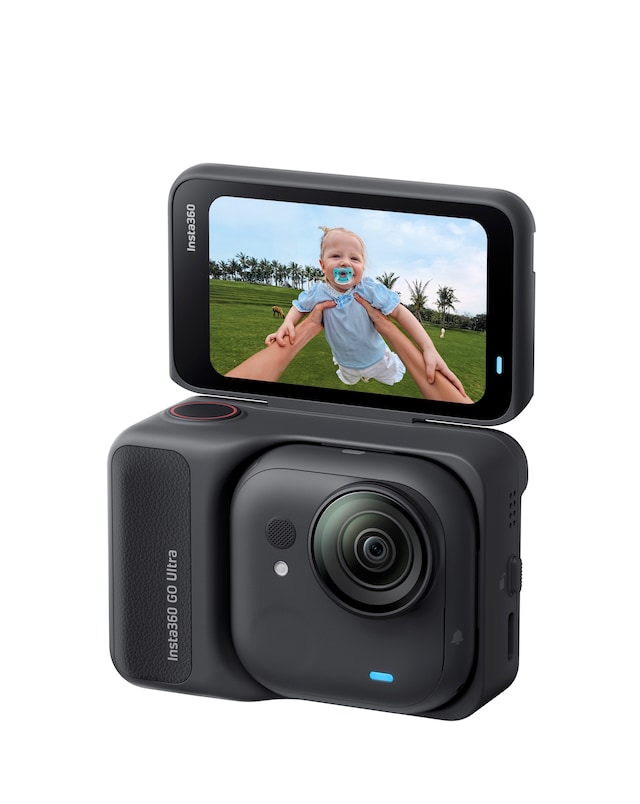
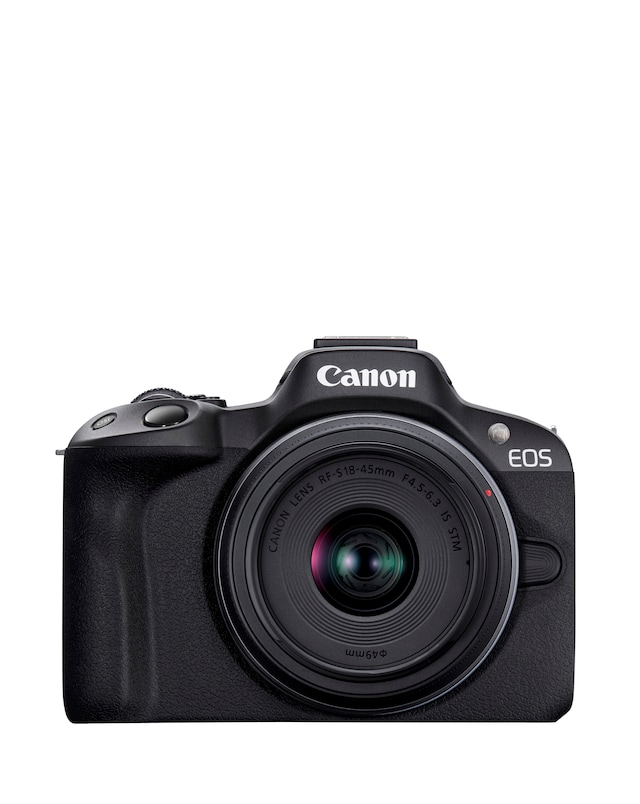
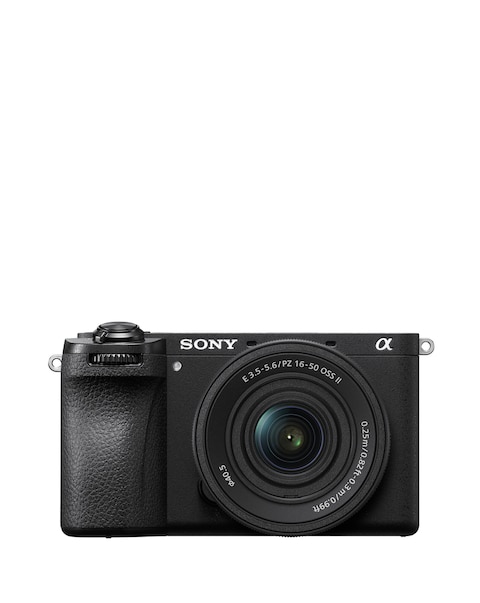
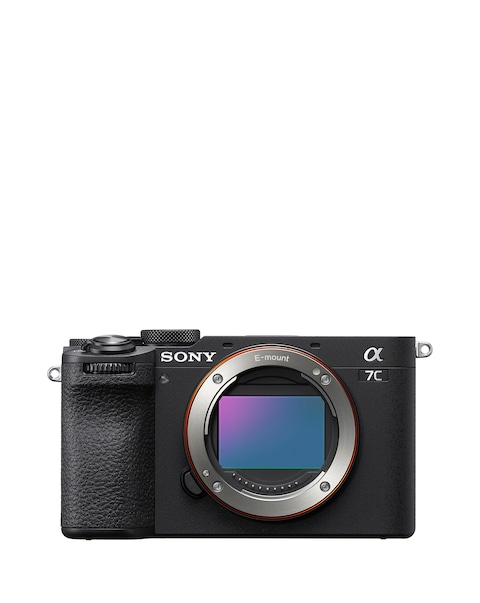
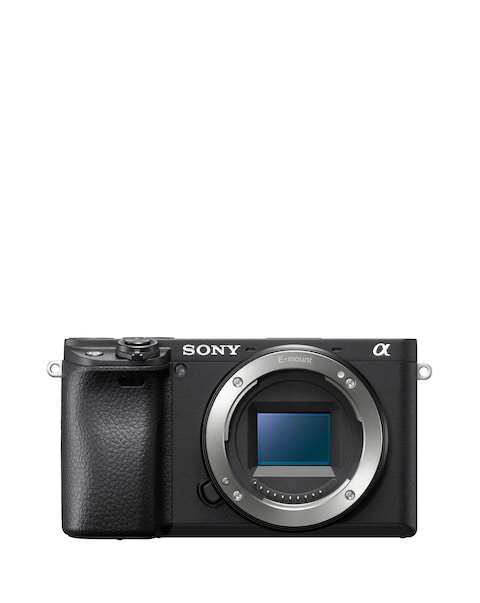
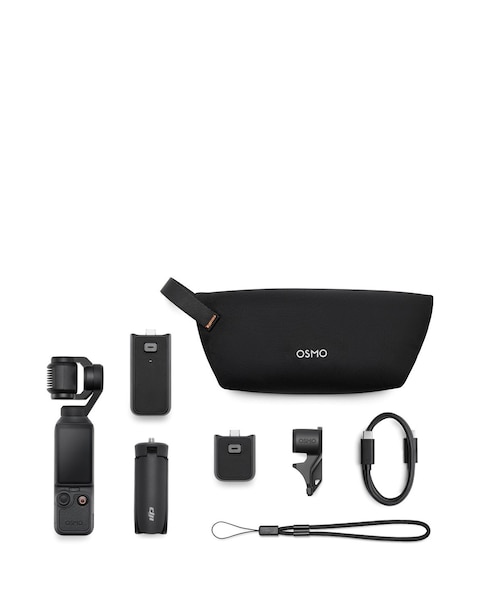
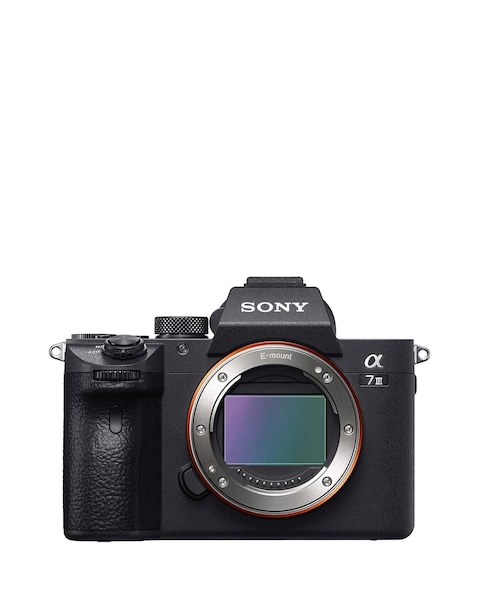
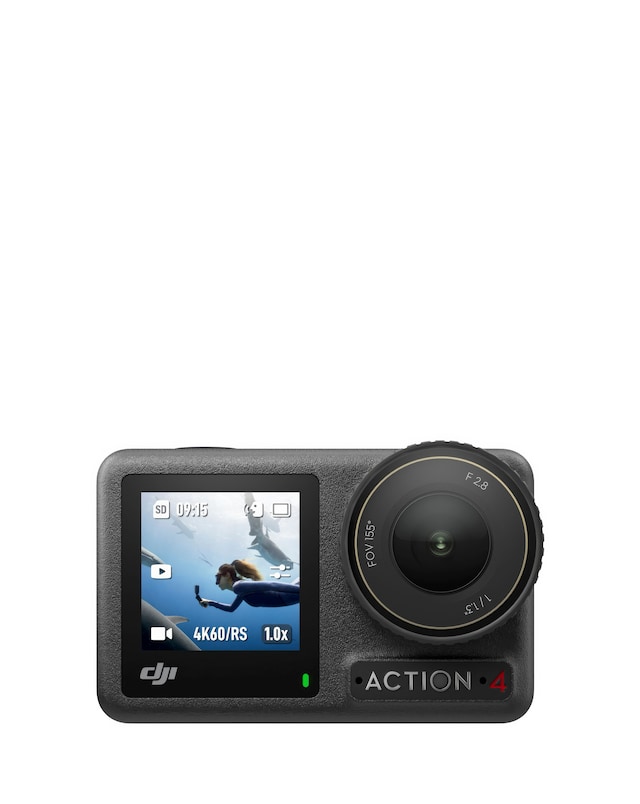
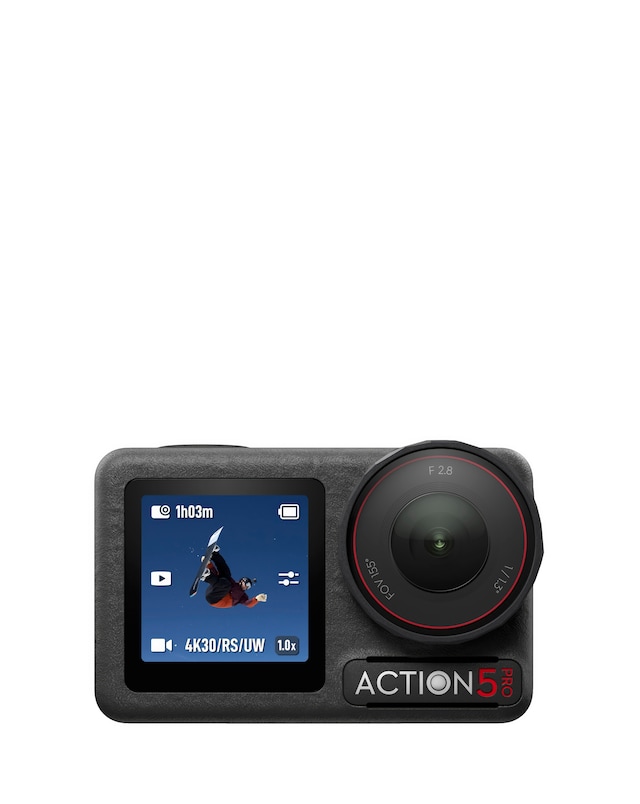
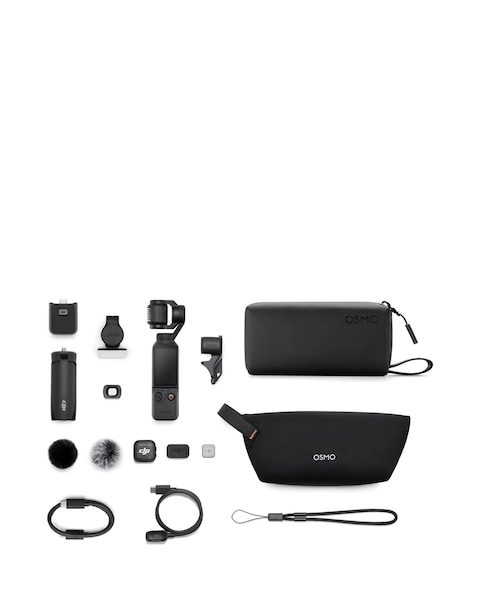
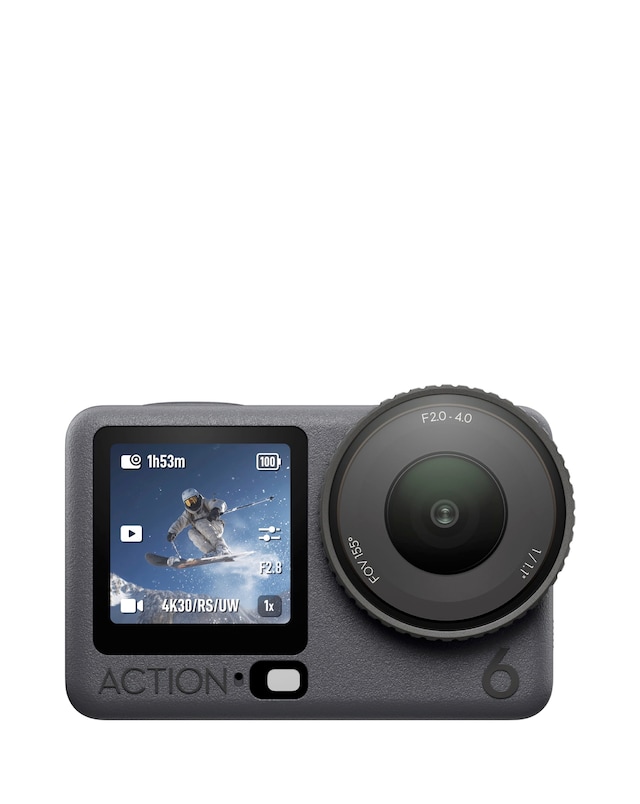
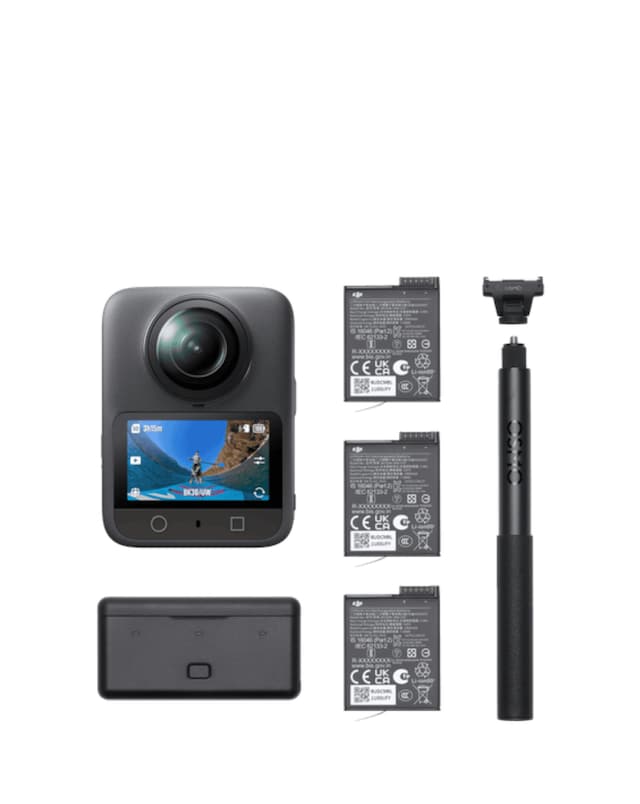
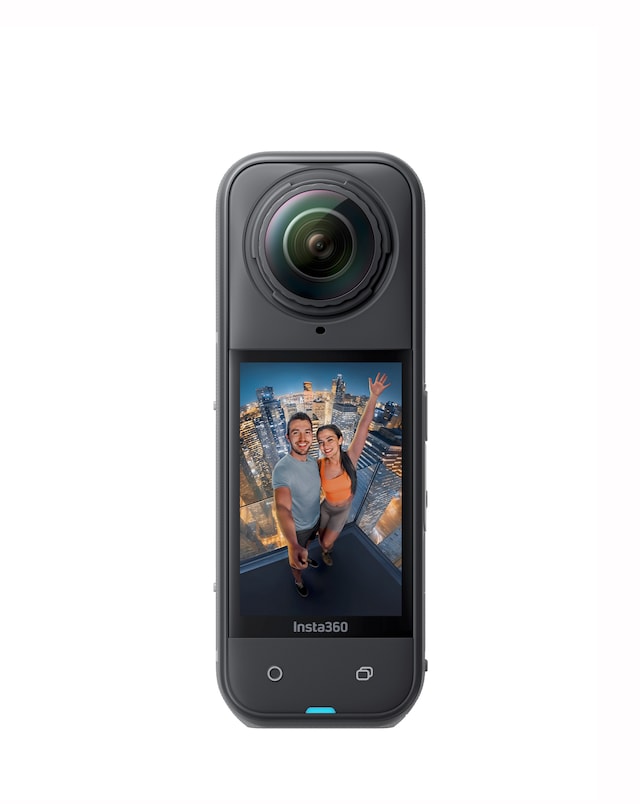
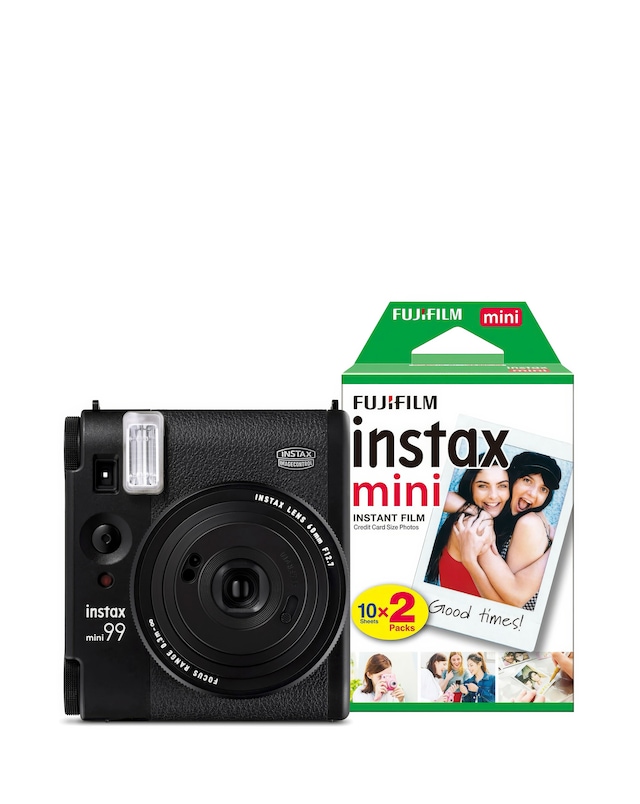
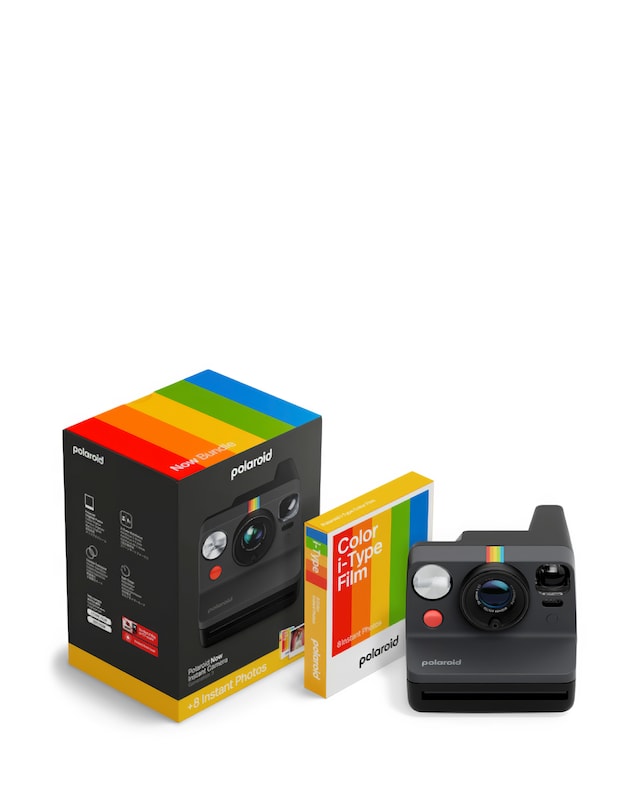
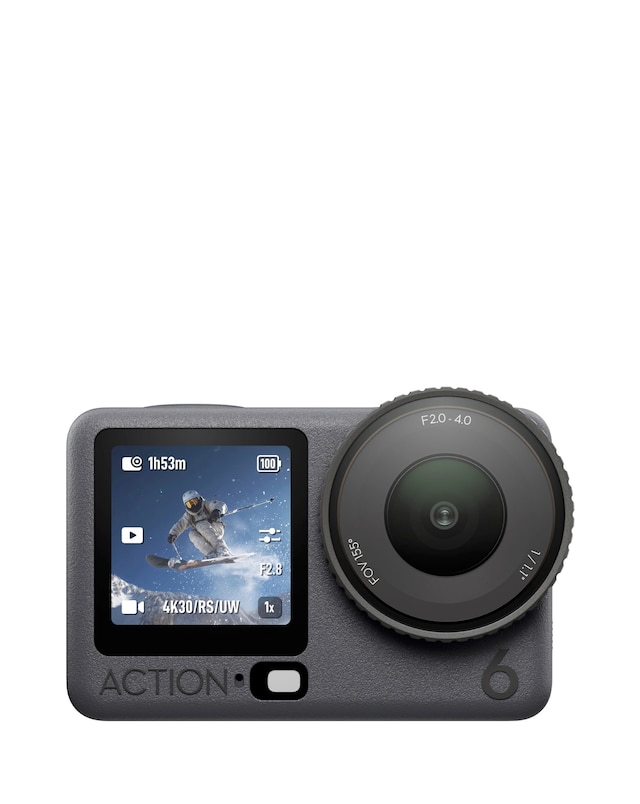
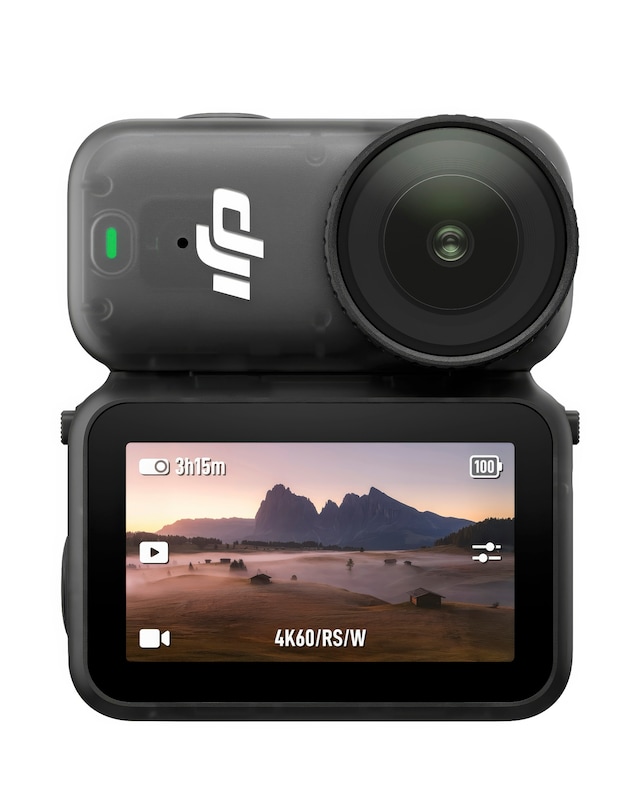
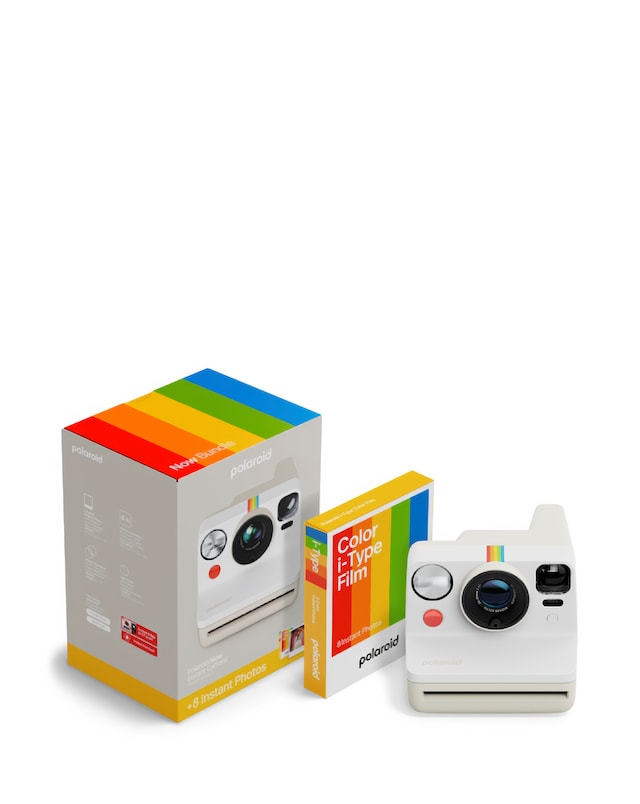
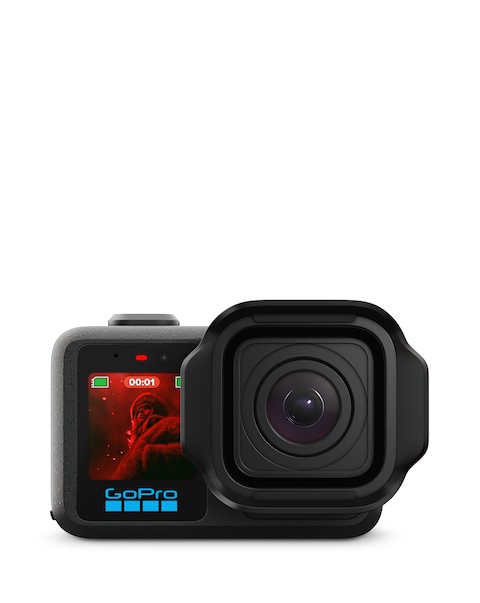
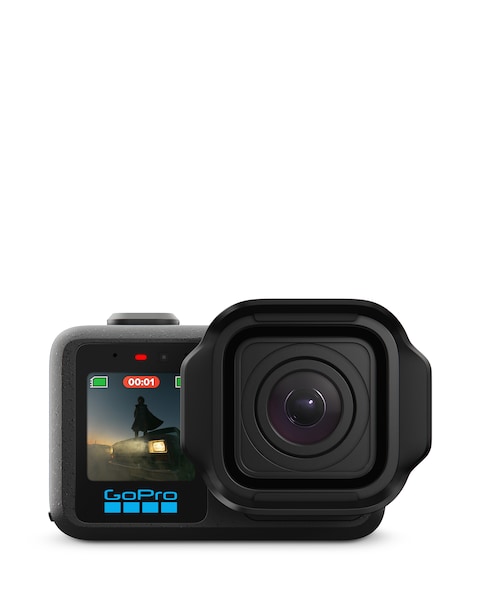
Explore our selection of cameras for low-light photography, designed to capture stunning images in challenging lighting conditions. These cameras feature advanced sensors and enhanced ISO capabilities, allowing for exceptional clarity and detail even in dim environments. With fast autofocus systems and image stabilization technology, you can achieve sharp, vibrant photos without the need for a flash. Whether you're shooting indoors, at dusk, or in low-light events, our range of cameras ensures you won't miss a moment.
What features should I look for in a camera for low-light photography?
- When choosing a camera for low-light photography, look for a large sensor size, as this allows more light to be captured. Additionally, cameras with high ISO performance and wide aperture lenses will help produce clearer images in darker settings. Image stabilization features can also reduce blur caused by camera shake.
Can I use a smartphone for low-light photography?
- Yes, many modern smartphones are equipped with advanced camera technology that performs well in low-light conditions. Look for models with larger sensors, multiple lenses, and night mode features that enhance low-light performance. However, dedicated cameras typically offer superior quality and versatility.
What is the importance of aperture in low-light photography?
- Aperture plays a crucial role in low-light photography as it controls the amount of light entering the camera. A wider aperture (lower f-number) allows more light to reach the sensor, which is essential for capturing bright images in dark environments. It also creates a shallow depth of field, adding artistic effects to your photos.
How does ISO affect low-light photography?
- ISO measures the sensitivity of your camera's sensor to light. Increasing the ISO setting allows the camera to capture images in lower light conditions, but it can also introduce noise or graininess. Finding the right balance between ISO, aperture, and shutter speed is key to achieving high-quality low-light images.
Are there specific lenses better suited for low-light photography?
- Yes, lenses with larger maximum apertures (such as f/1.8 or f/2.8) are better suited for low-light photography as they allow more light to hit the sensor. Prime lenses often have wider apertures compared to zoom lenses, making them a popular choice for low-light situations. Additionally, fast autofocus capabilities can enhance your shooting experience in dim environments.