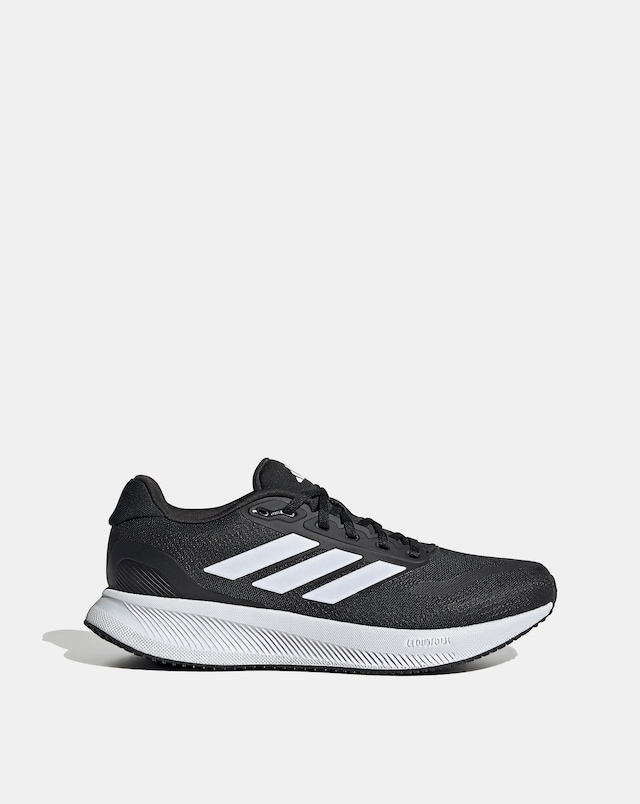
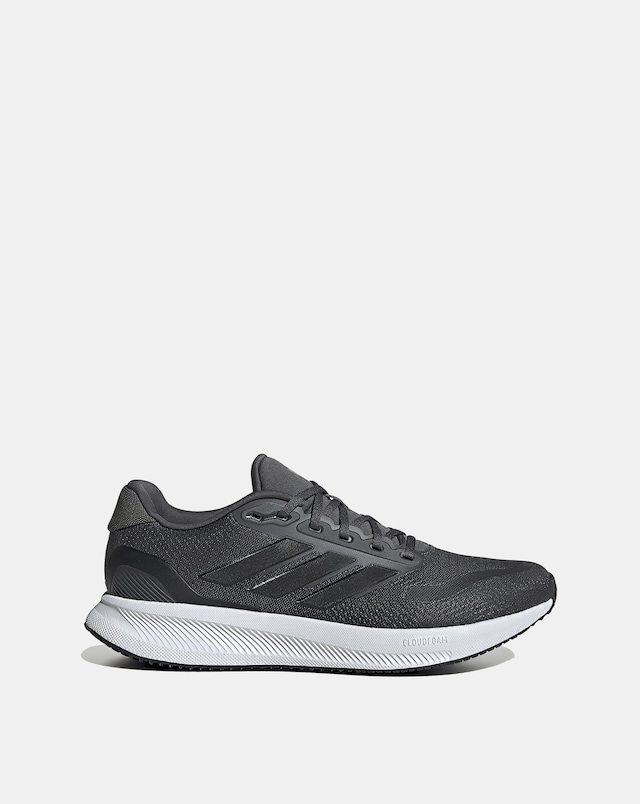
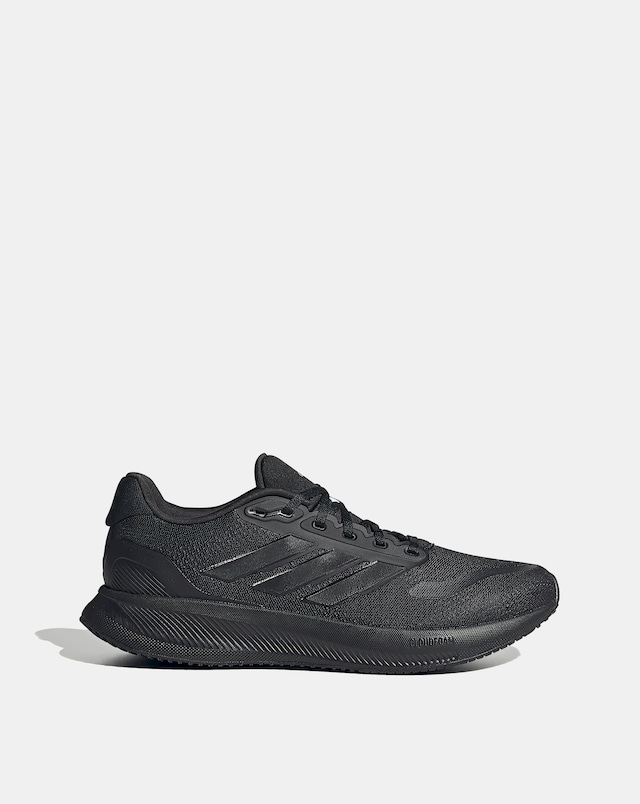
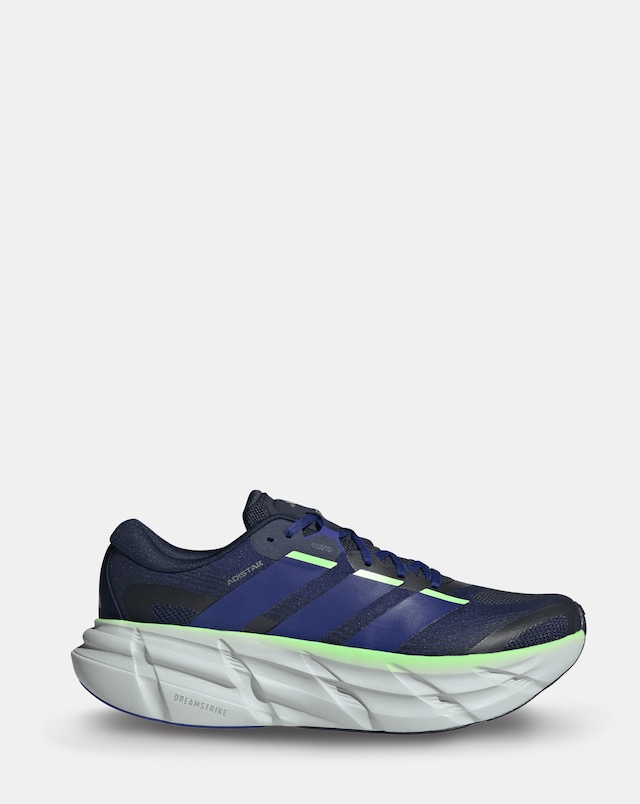
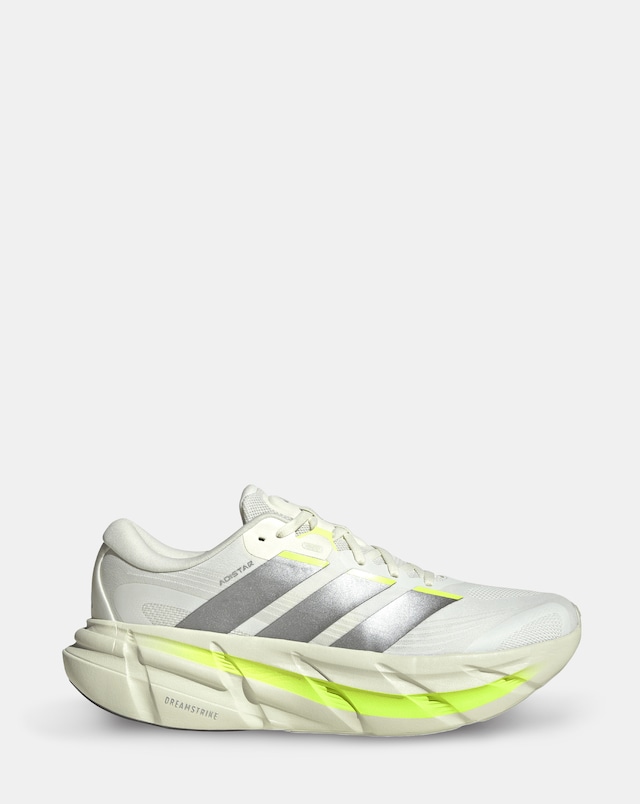
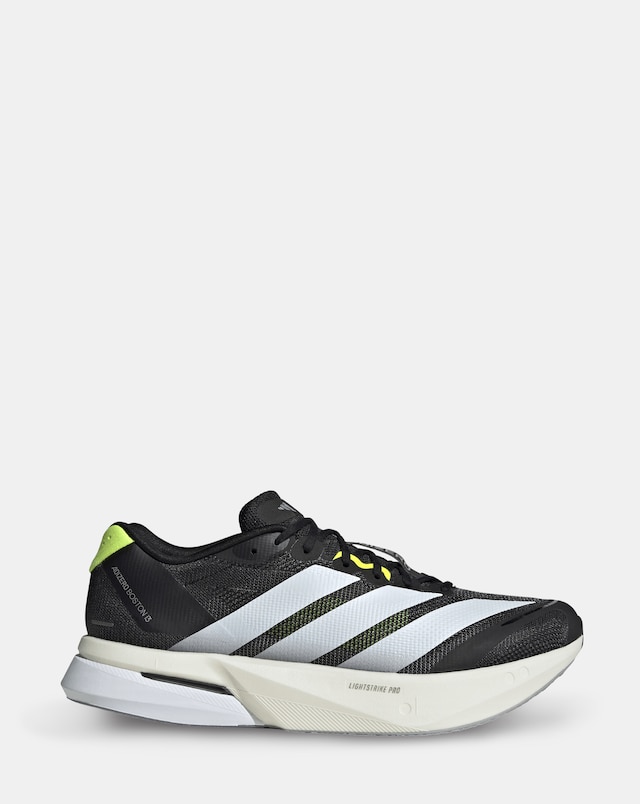
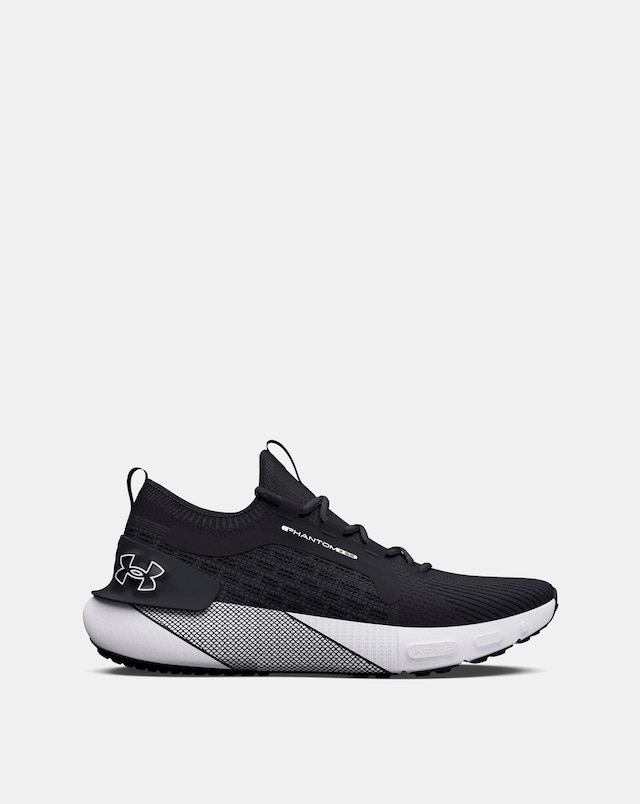
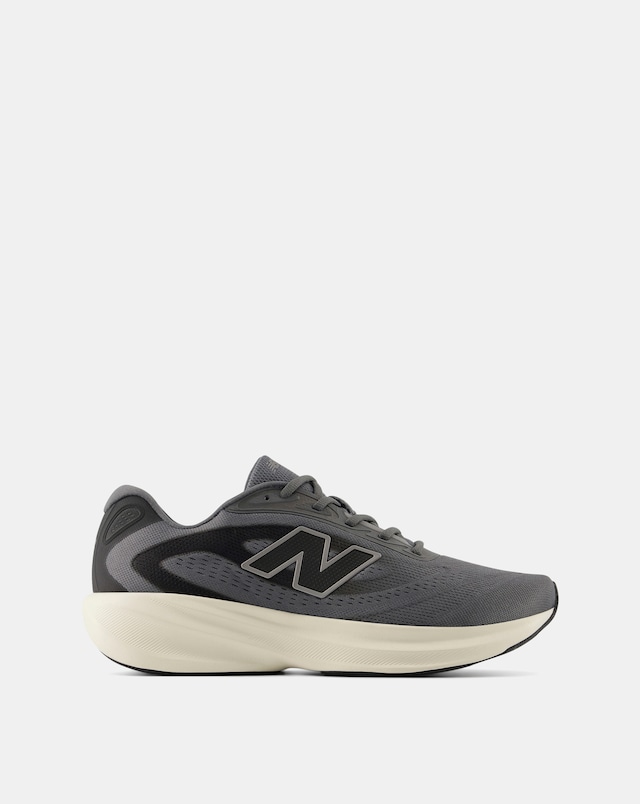
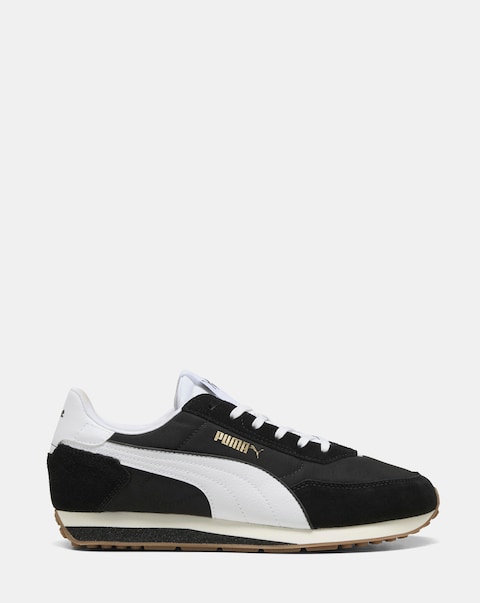
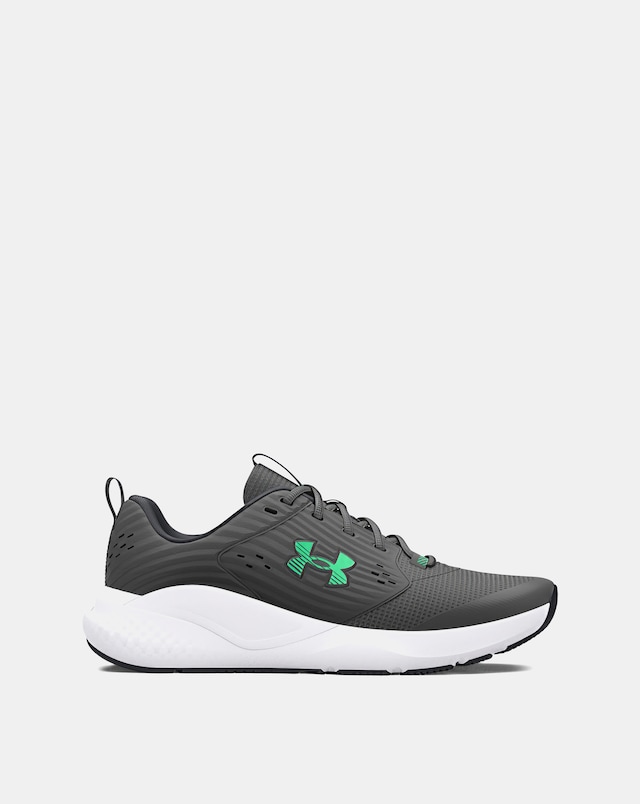
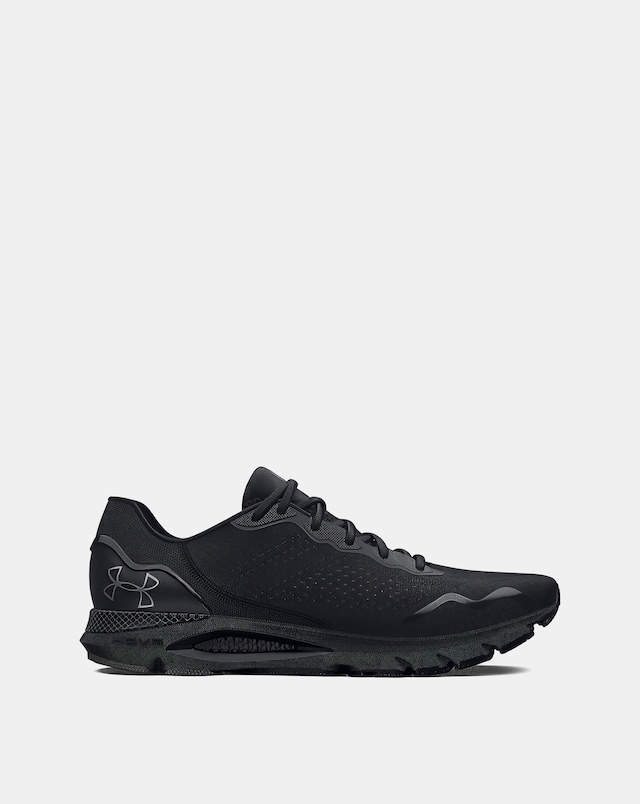
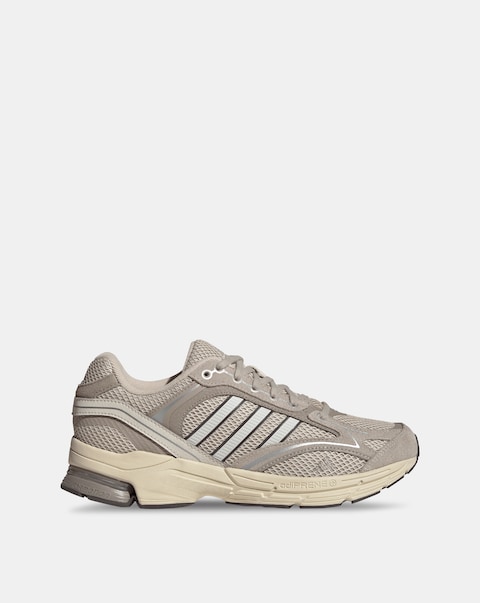
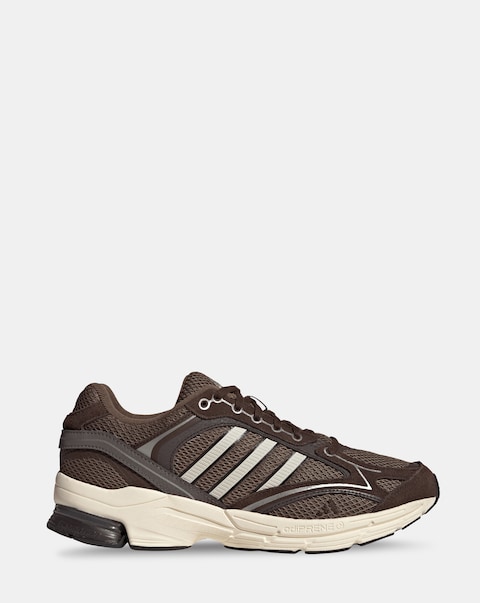
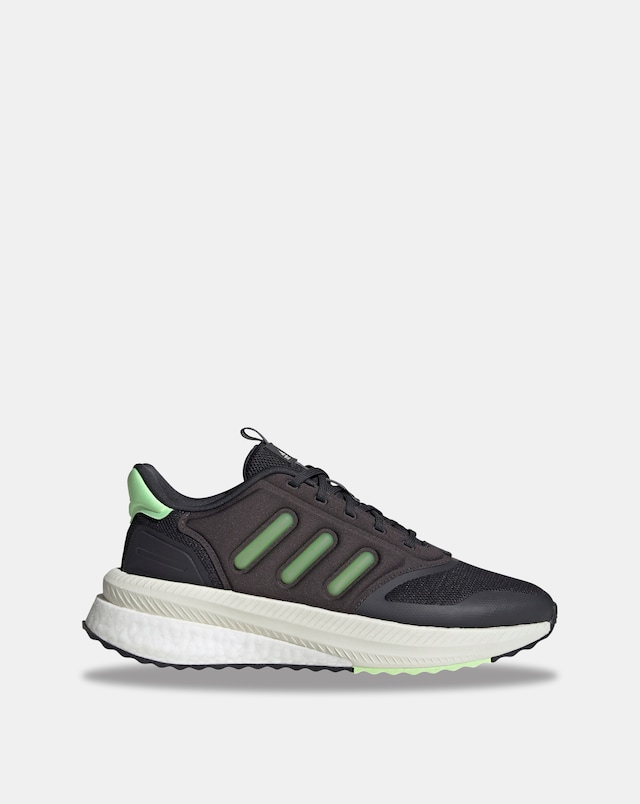
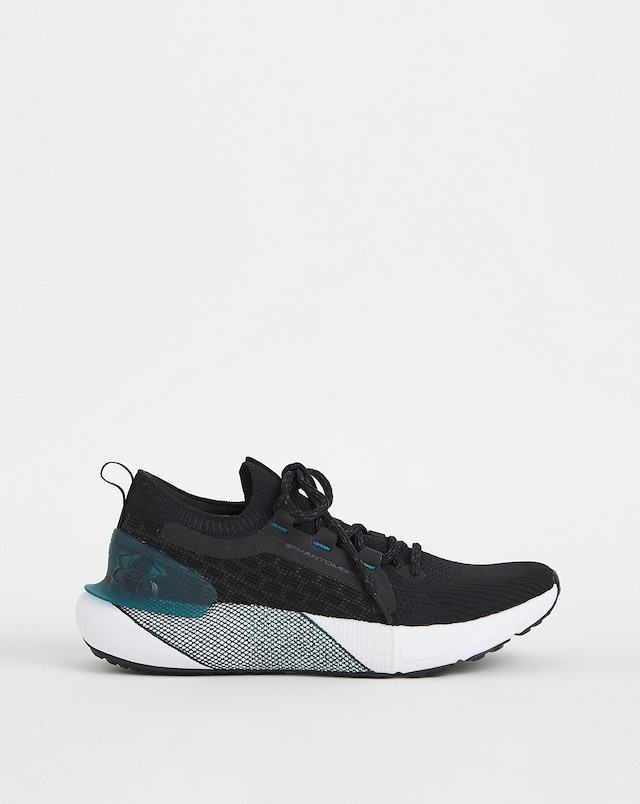
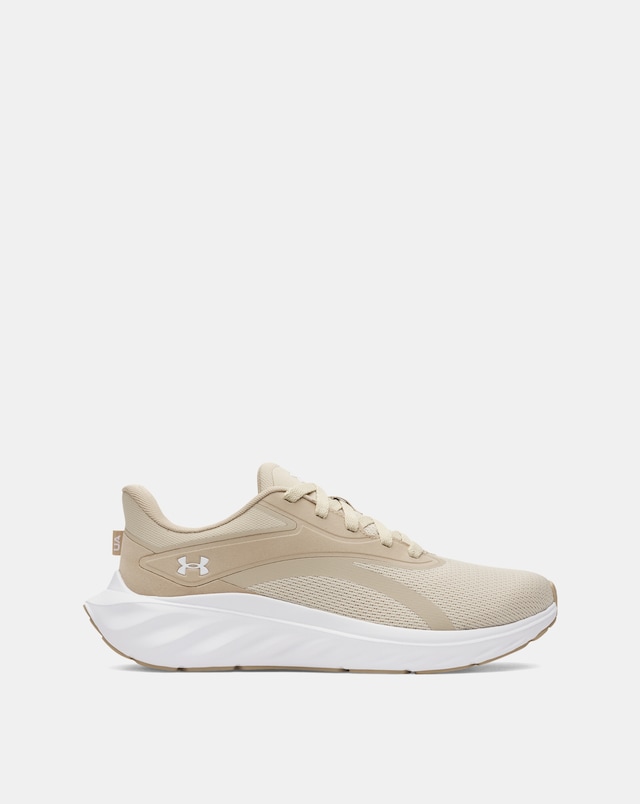
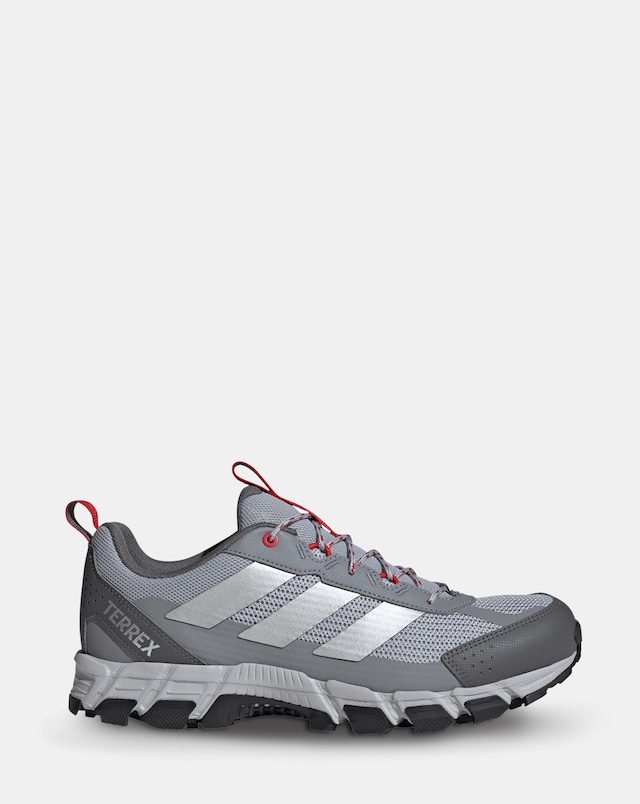
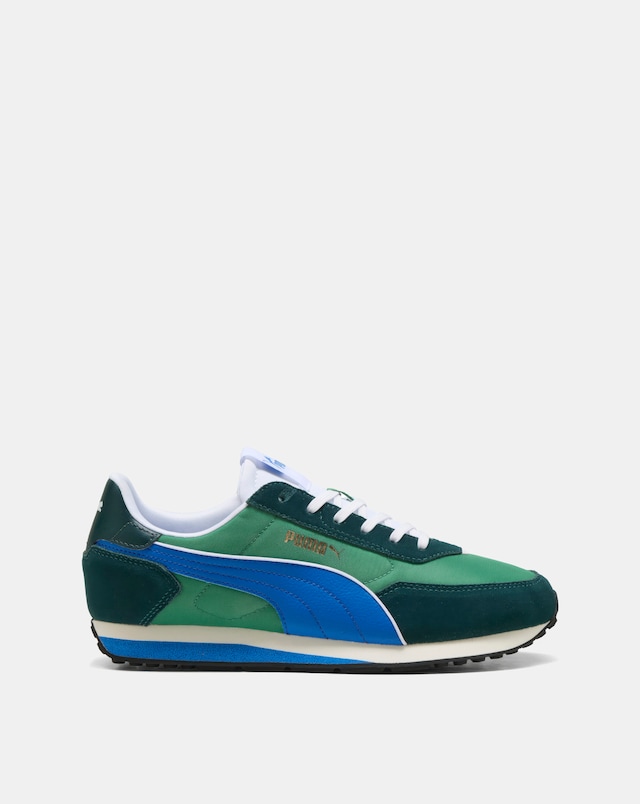
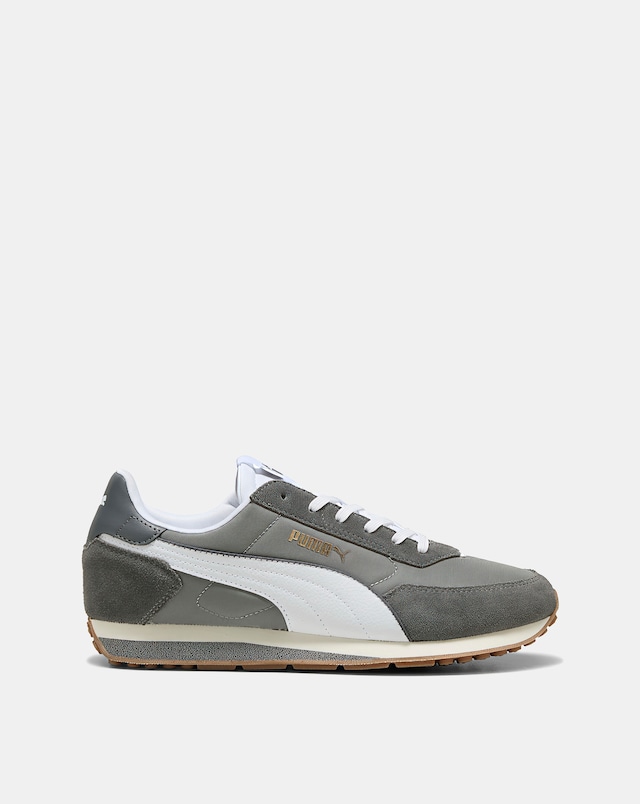
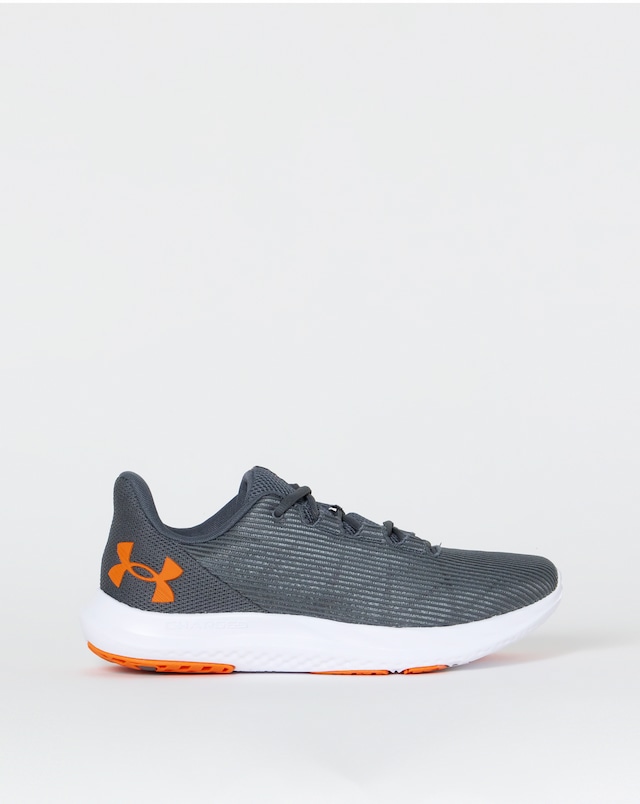
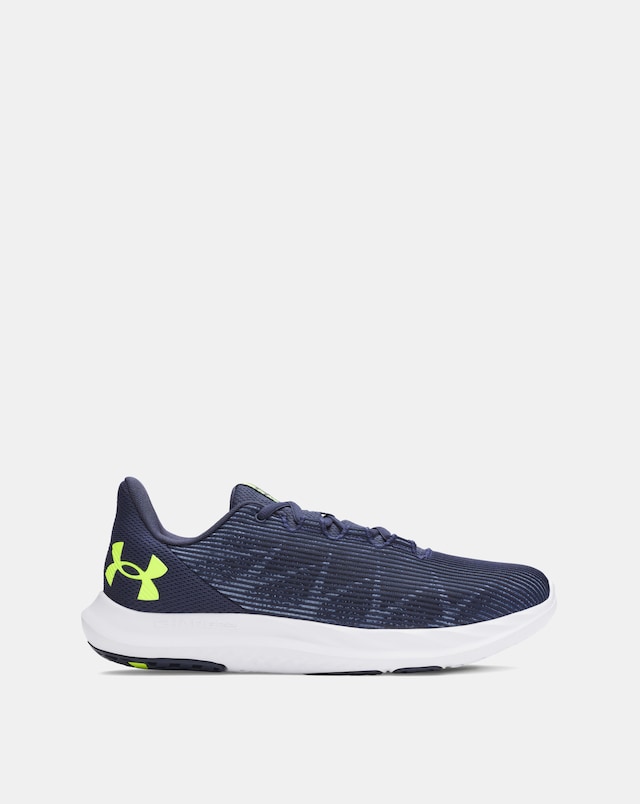
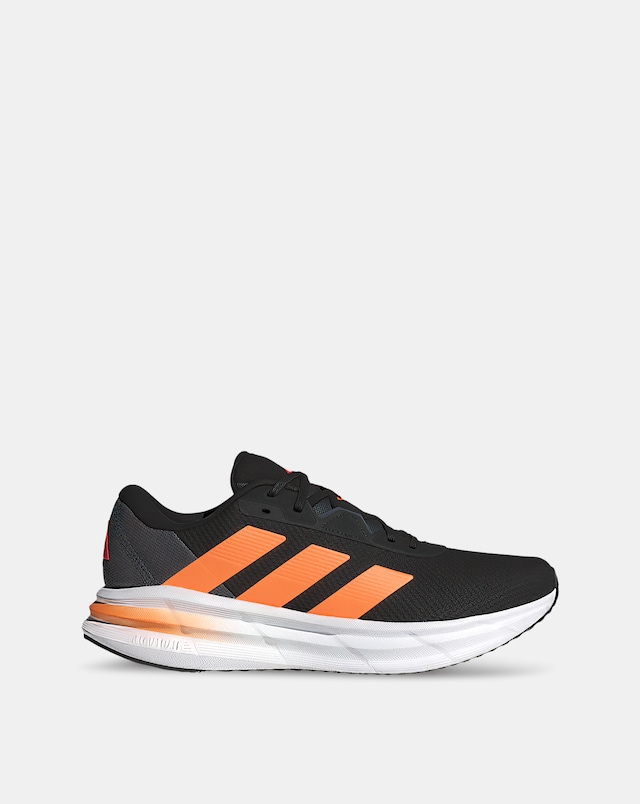
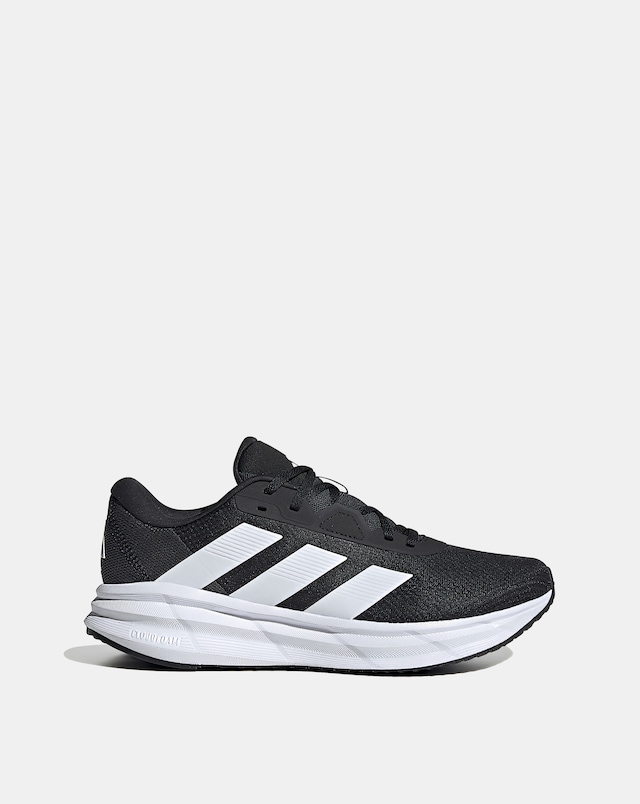
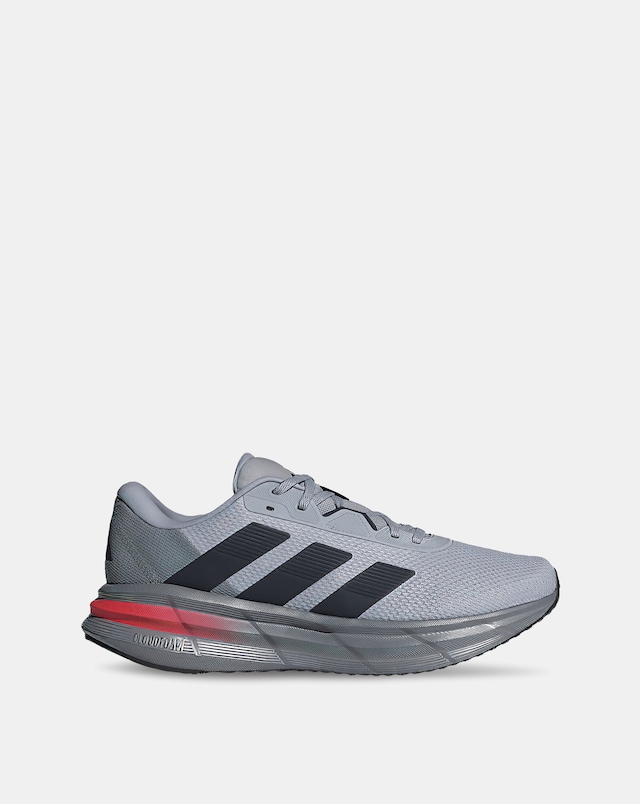
Explore our selection of running shoes for beginners, designed to provide comfort and support as you embark on your running journey. These shoes feature lightweight materials and cushioned soles to enhance your performance while reducing the risk of injury. With breathable uppers and flexible designs, they ensure a comfortable fit for various terrains and distances. Whether you're hitting the pavement or tackling trails, our running shoes for beginners will help you build confidence and enjoy every step of your fitness routine.
What should beginners look for in running shoes?
- Beginners should focus on comfort, fit, and support when selecting running shoes. Look for shoes with adequate cushioning to absorb impact and a secure fit to prevent blisters. Additionally, consider the shoe's weight and breathability to ensure a pleasant running experience.
How do I know my running shoe size?
- To find your running shoe size, measure your feet while standing, as they may expand slightly. It's best to try on shoes later in the day when your feet are at their largest. Ensure there's about a thumb's width of space between your longest toe and the shoe's end for optimal comfort.
Can I use running shoes for other activities?
- While running shoes are primarily designed for running, they can also be suitable for other activities like walking, gym workouts, or casual wear. However, for specific sports or high-impact activities, consider shoes designed for those purposes to ensure proper support and performance.
How often should I replace my running shoes?
- It's generally recommended to replace running shoes every 300 to 500 miles, depending on your running style and the shoe's construction. Signs that it's time for a replacement include decreased cushioning, visible wear on the outsole, or discomfort during runs. Regularly assessing your shoes can help maintain your running performance.
Are there specific running shoes for different terrains?
- Yes, there are running shoes designed for various terrains, including road, trail, and track. Road running shoes typically have a smoother outsole for pavement, while trail shoes feature more aggressive treads for better grip on uneven surfaces. Choosing the right shoe for your running environment can enhance your experience and safety.