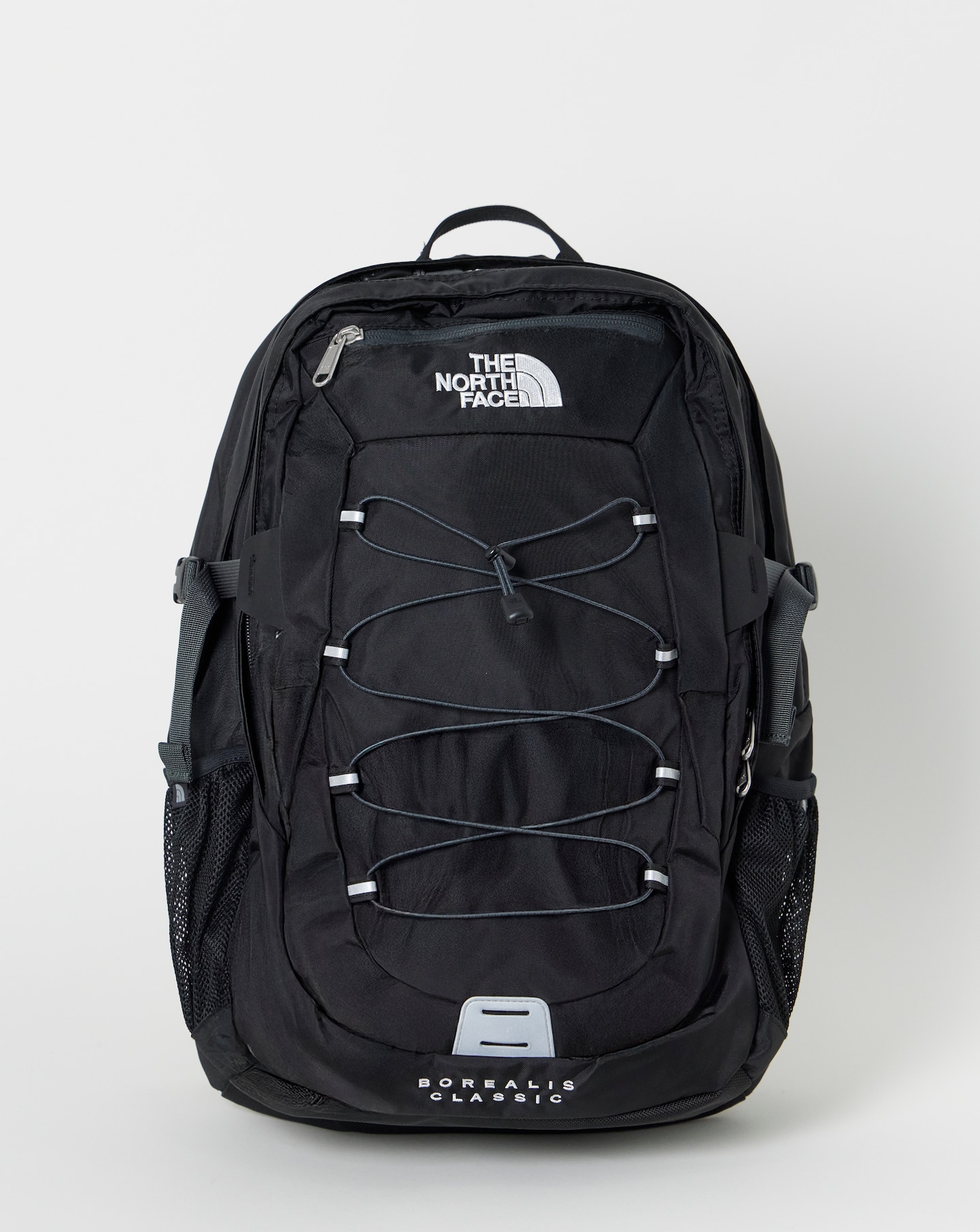
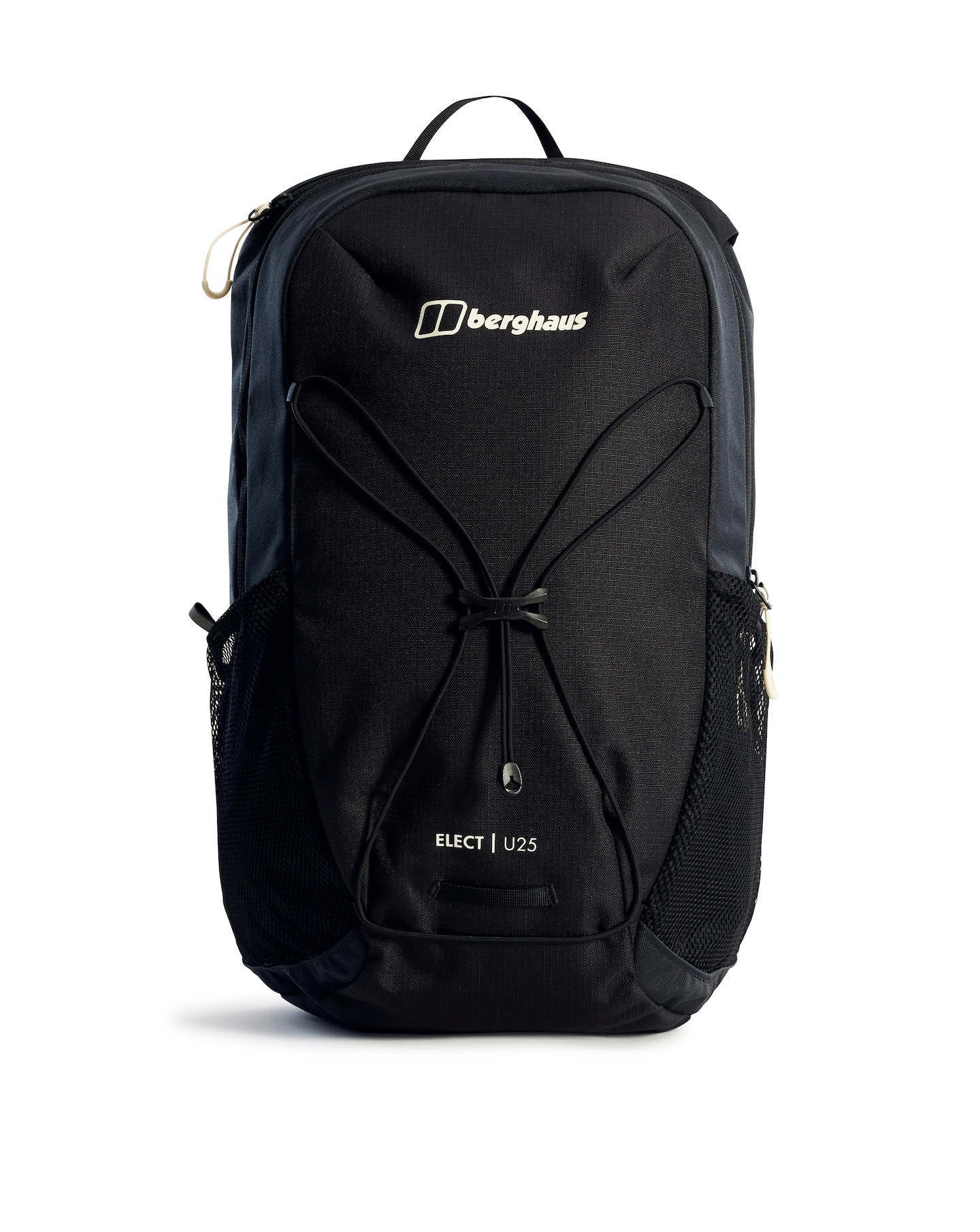
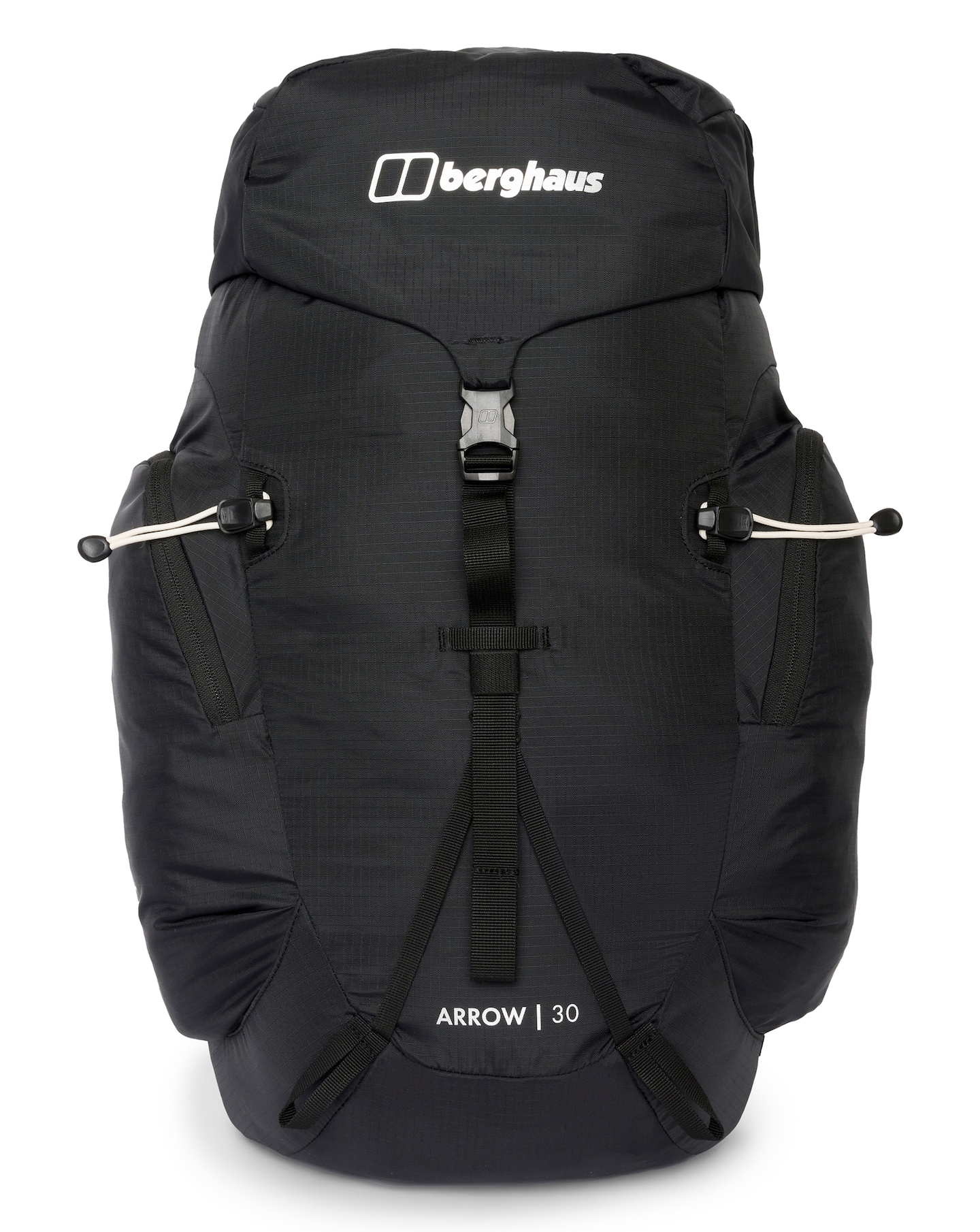
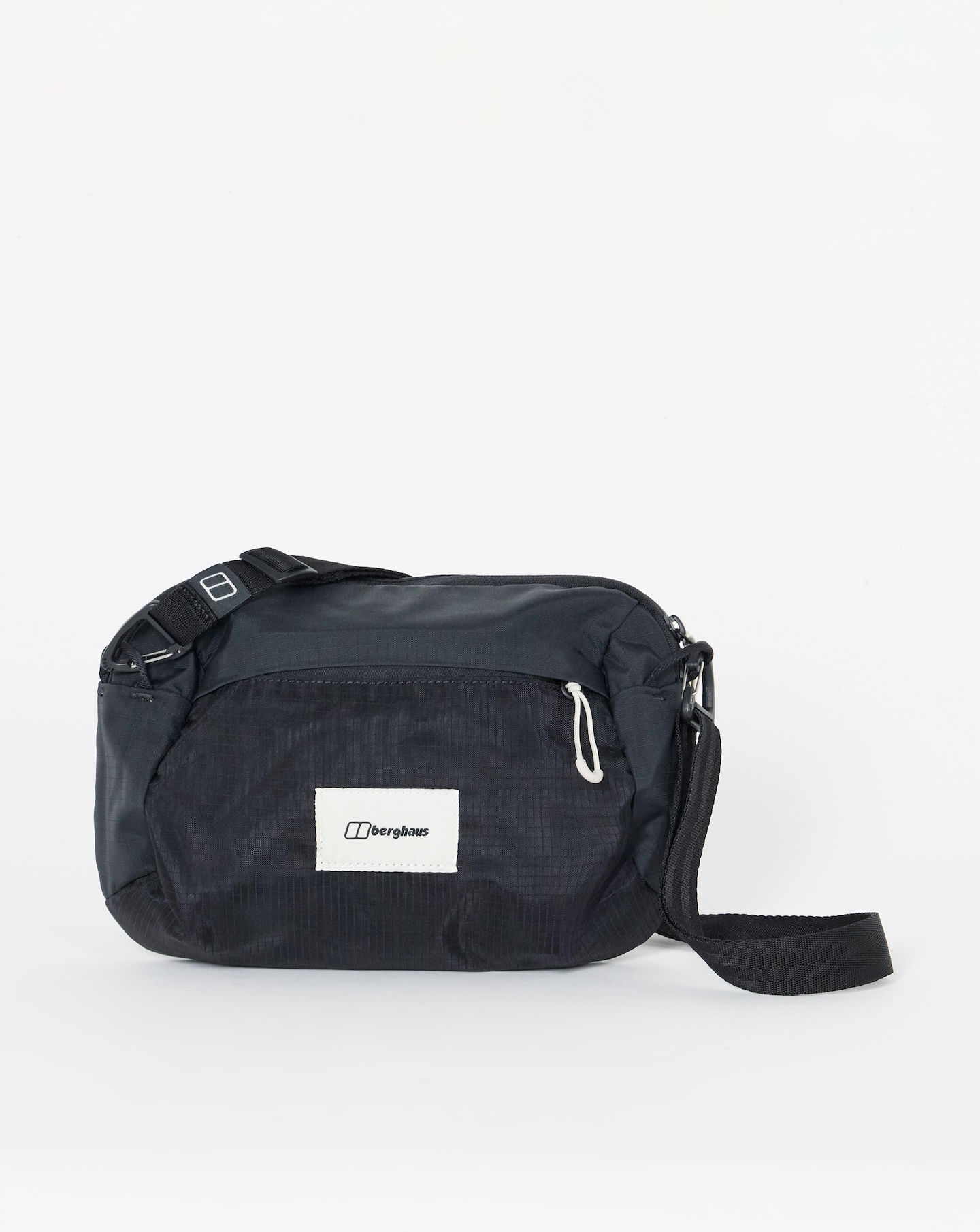
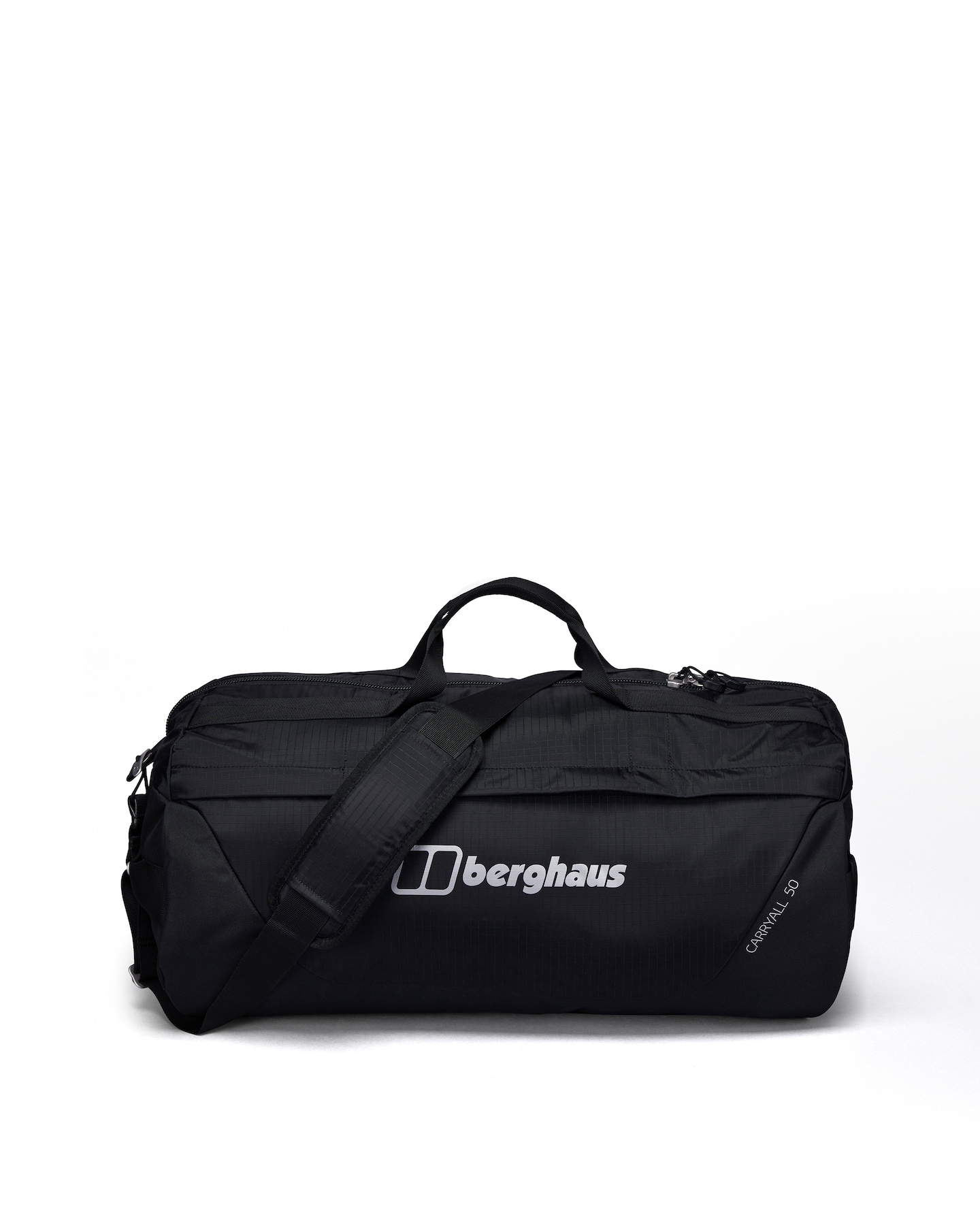
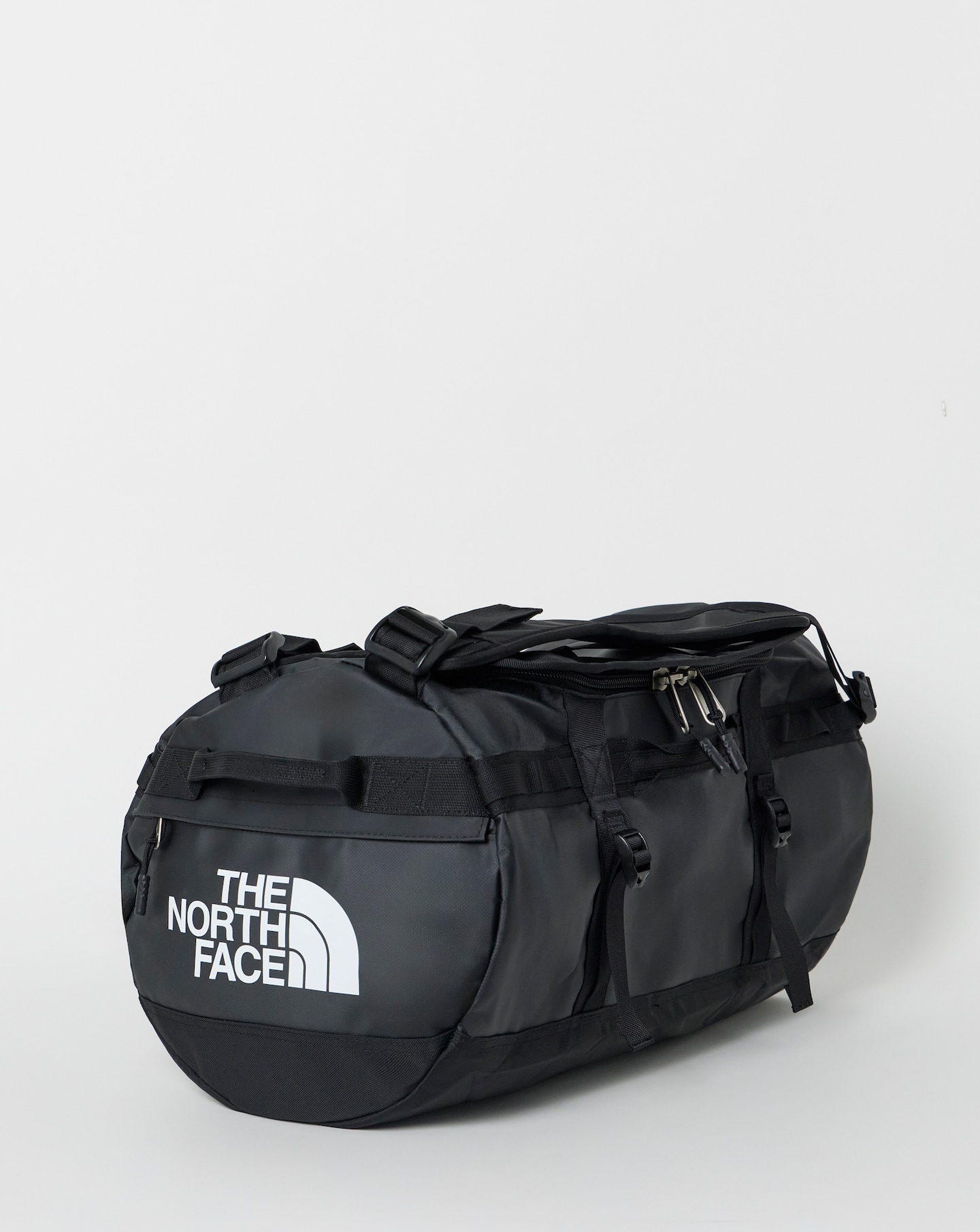
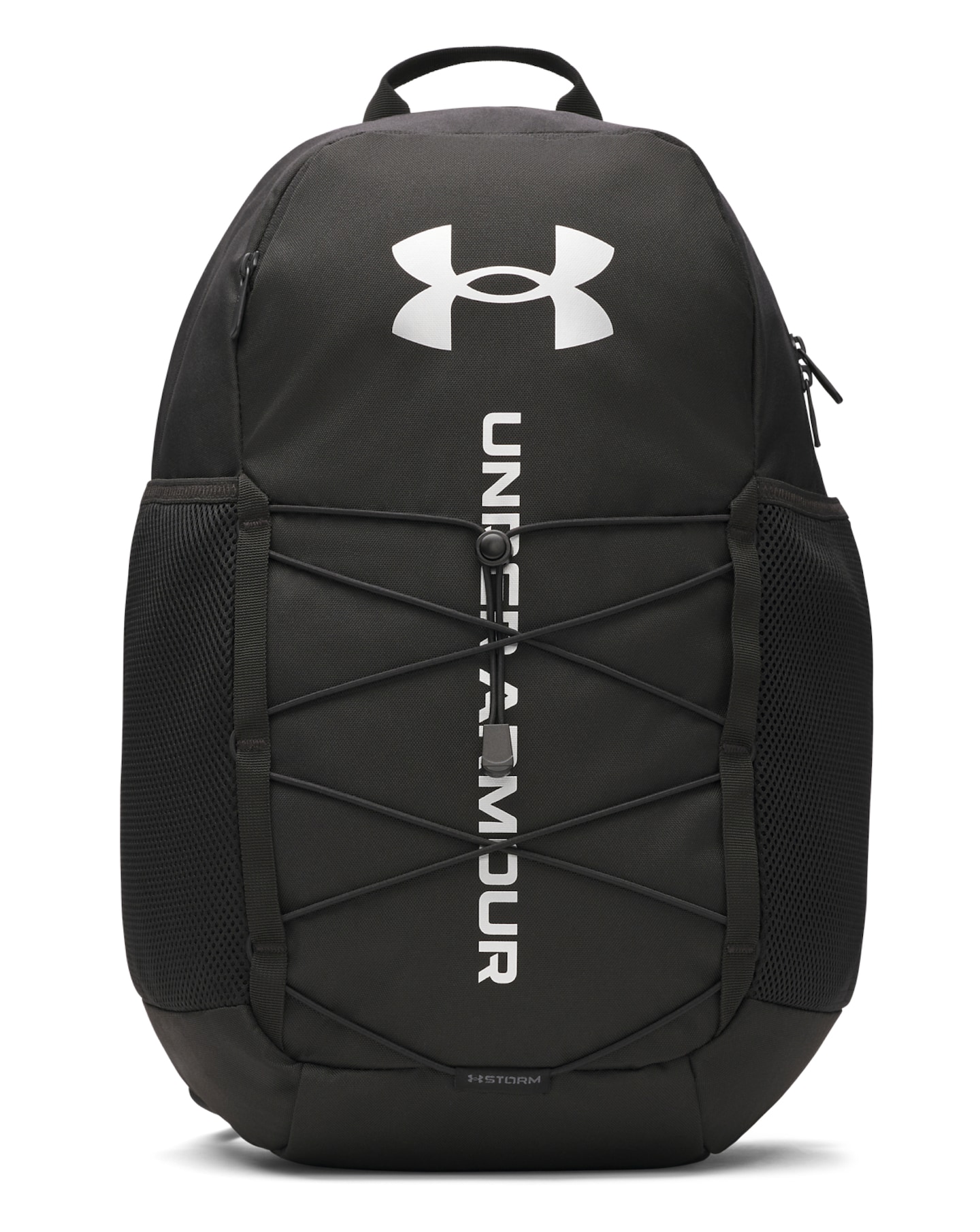
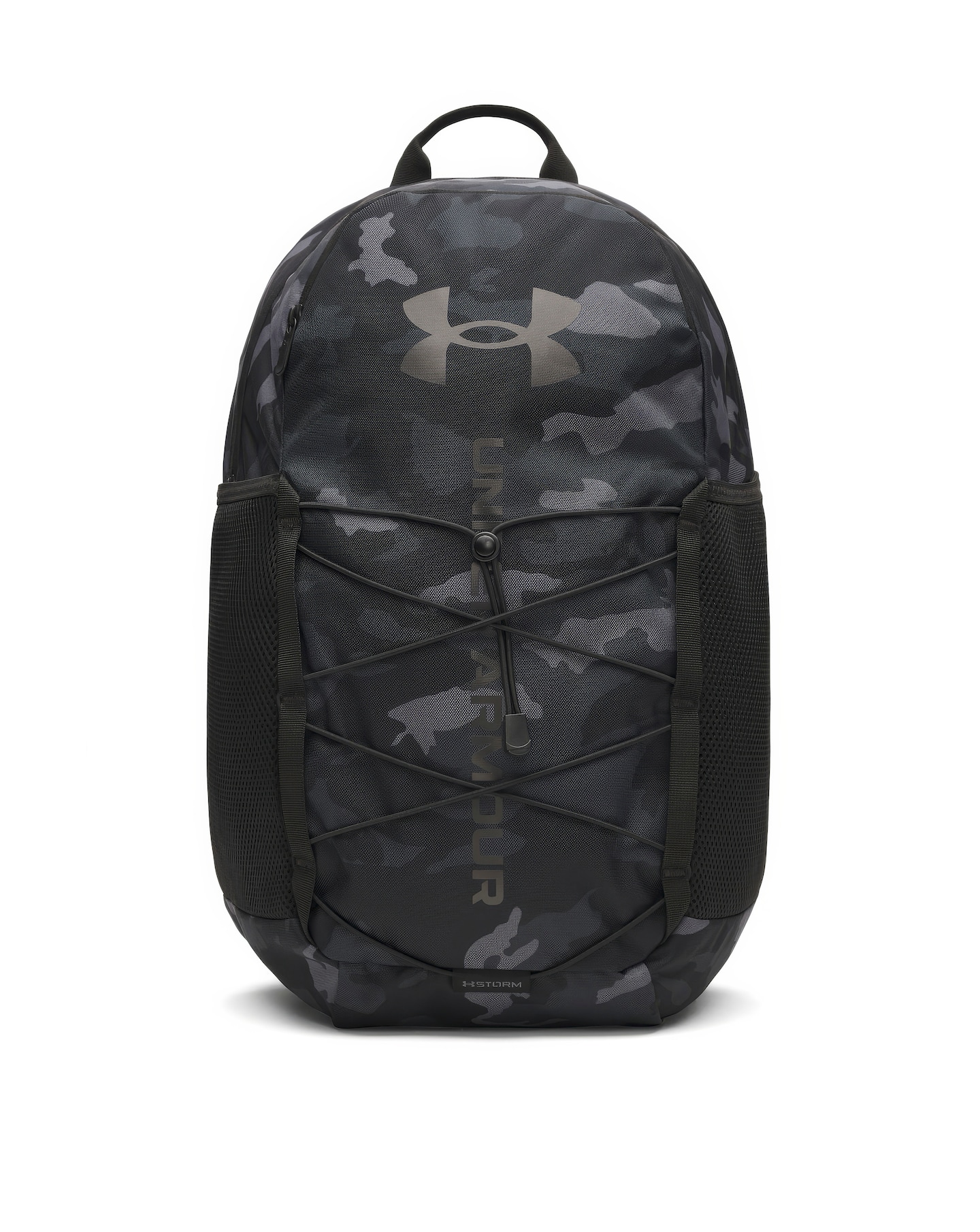
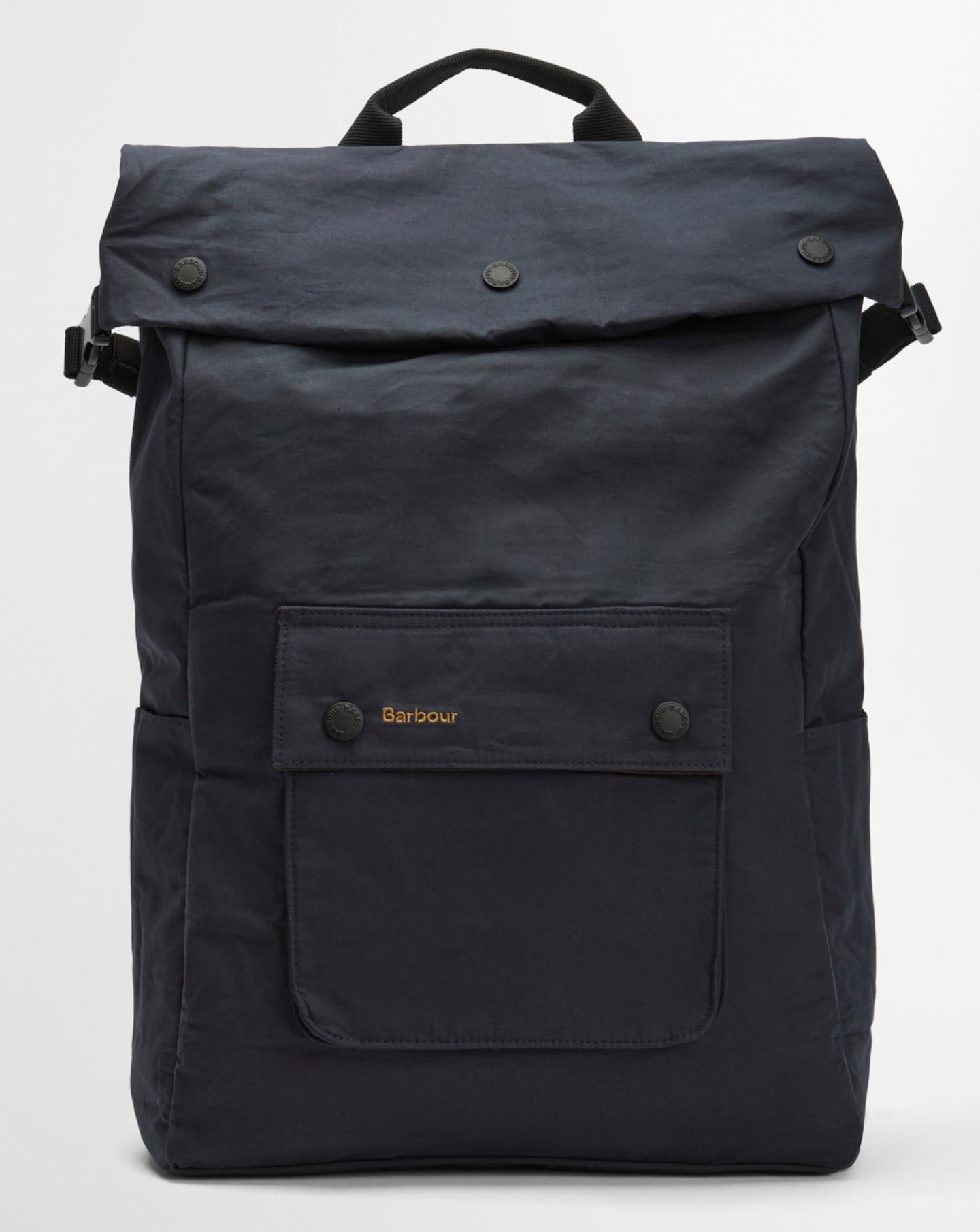
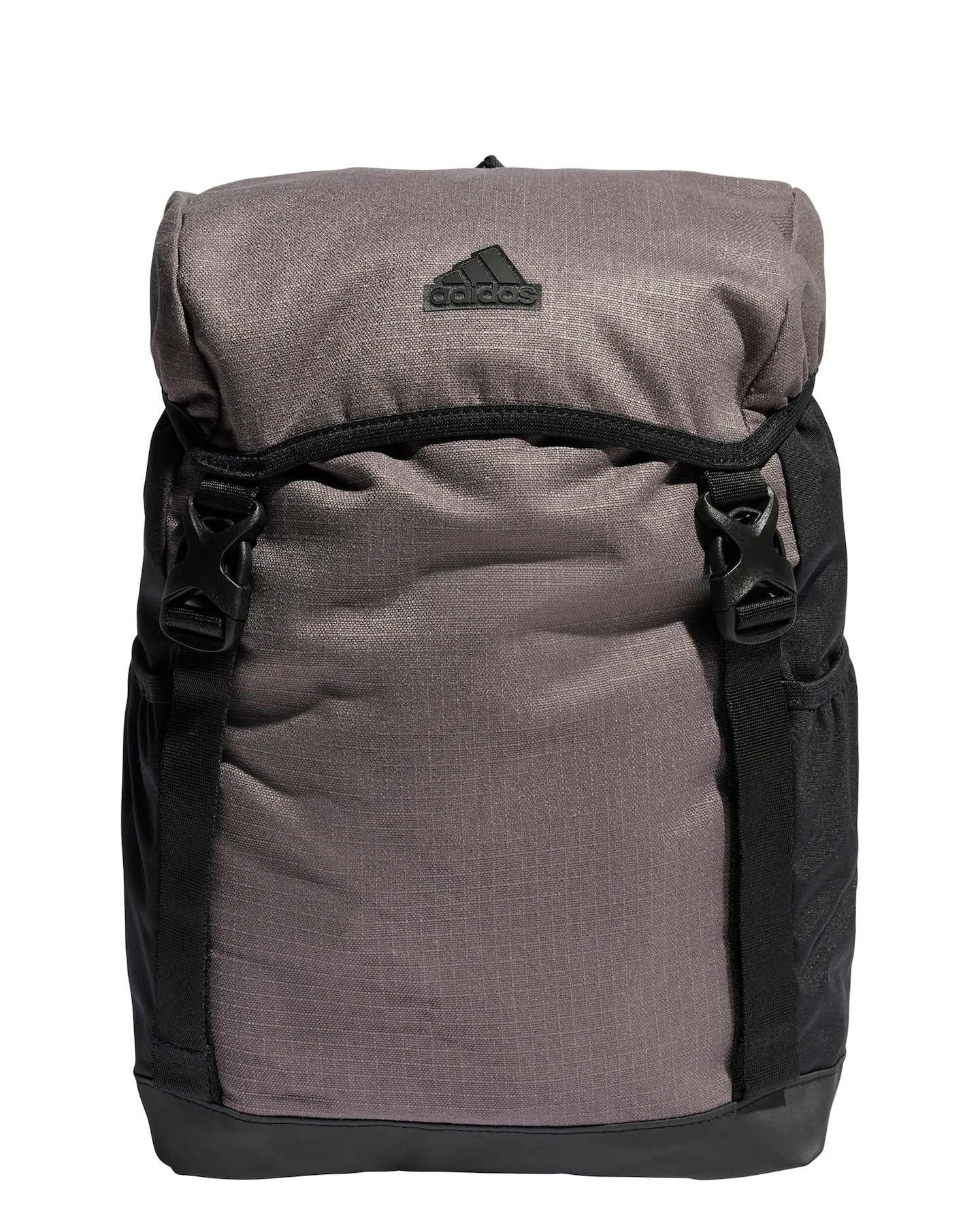
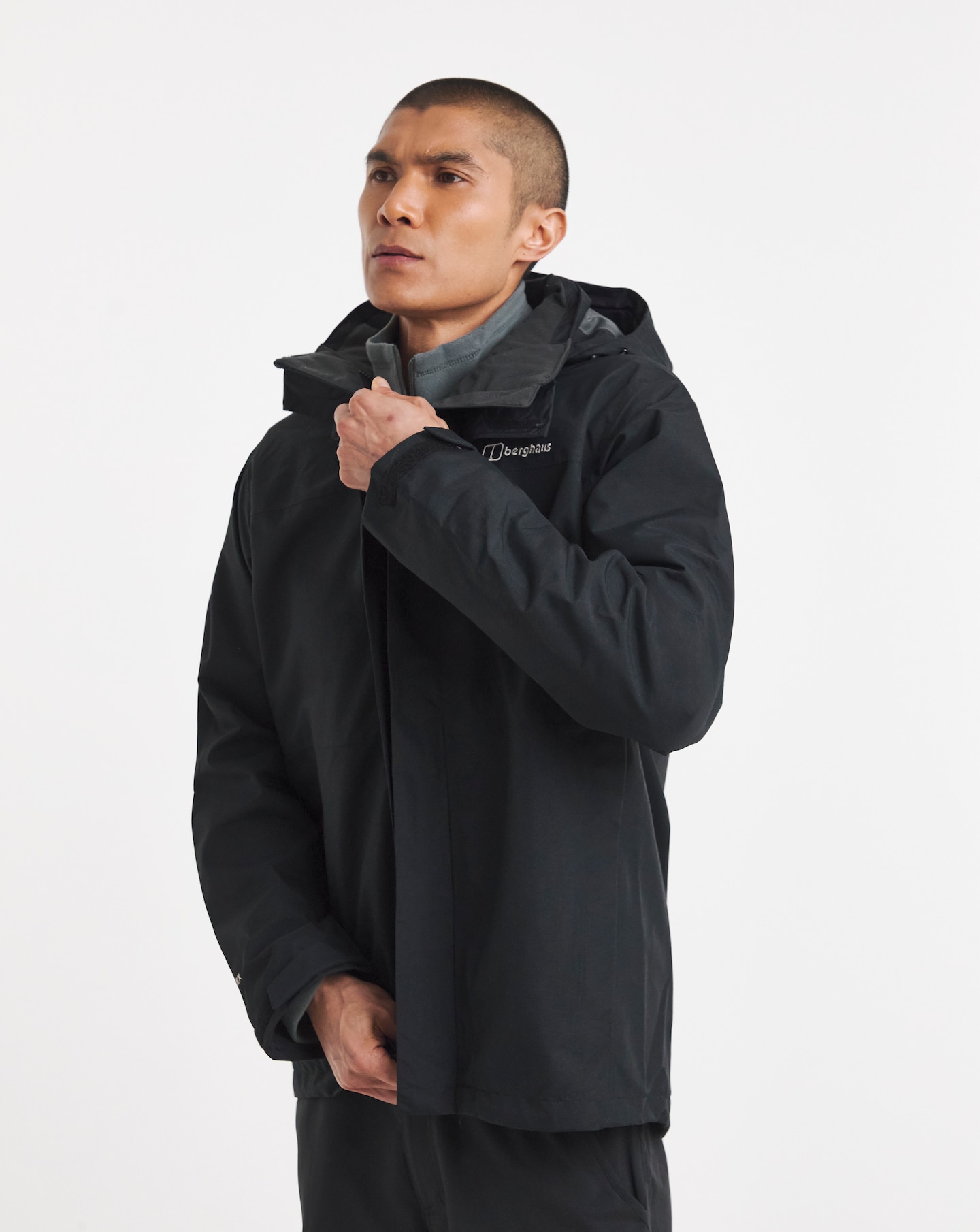
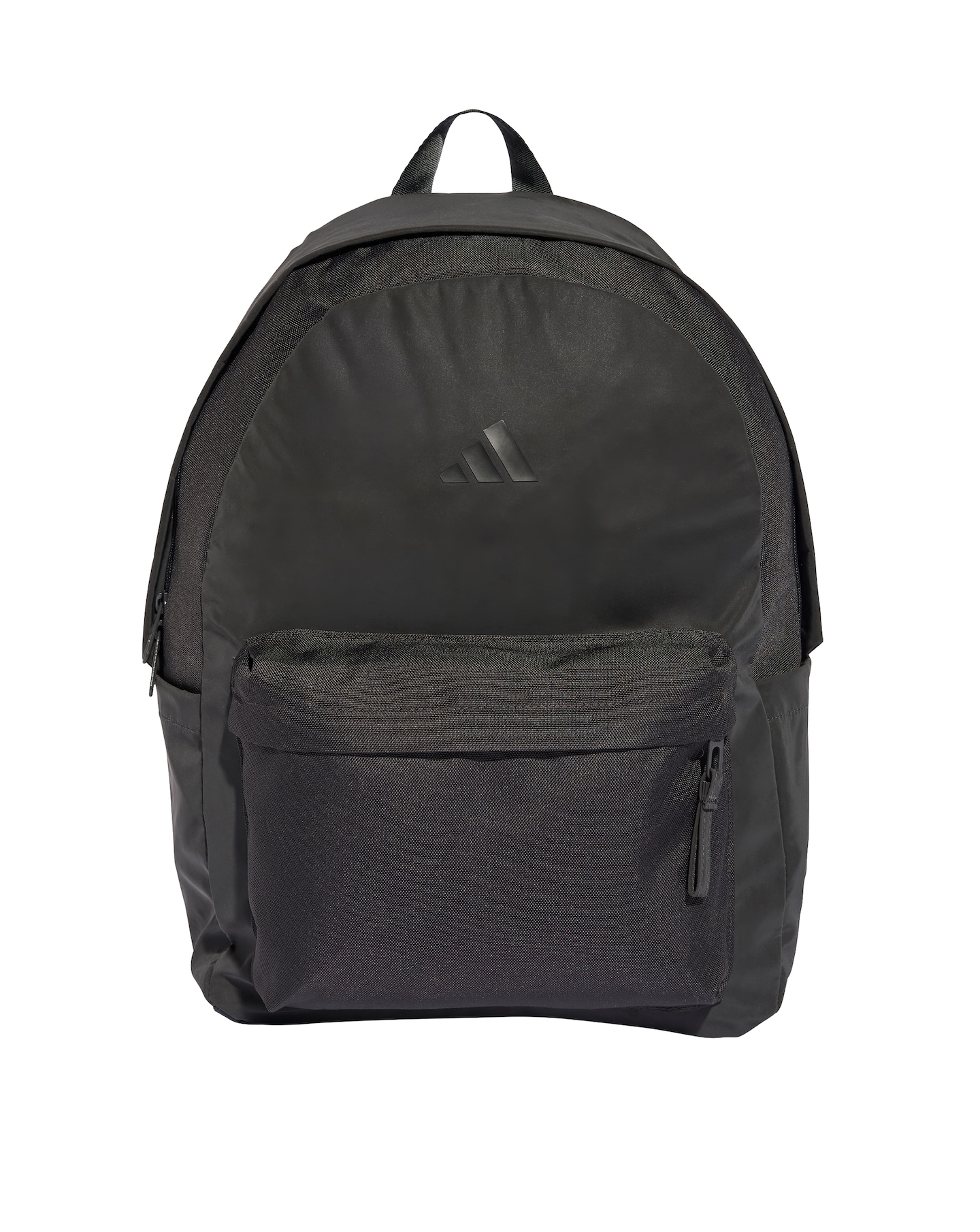
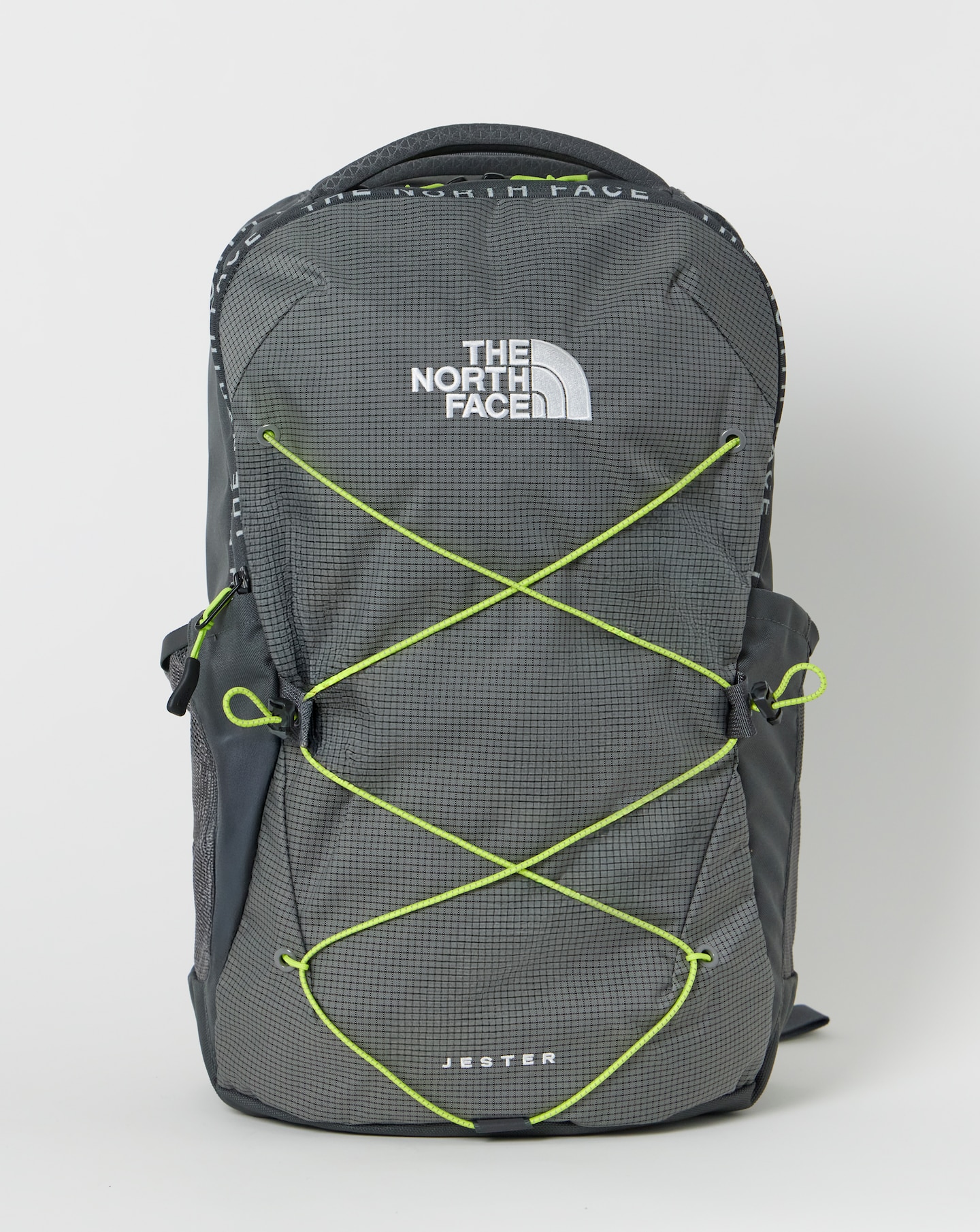
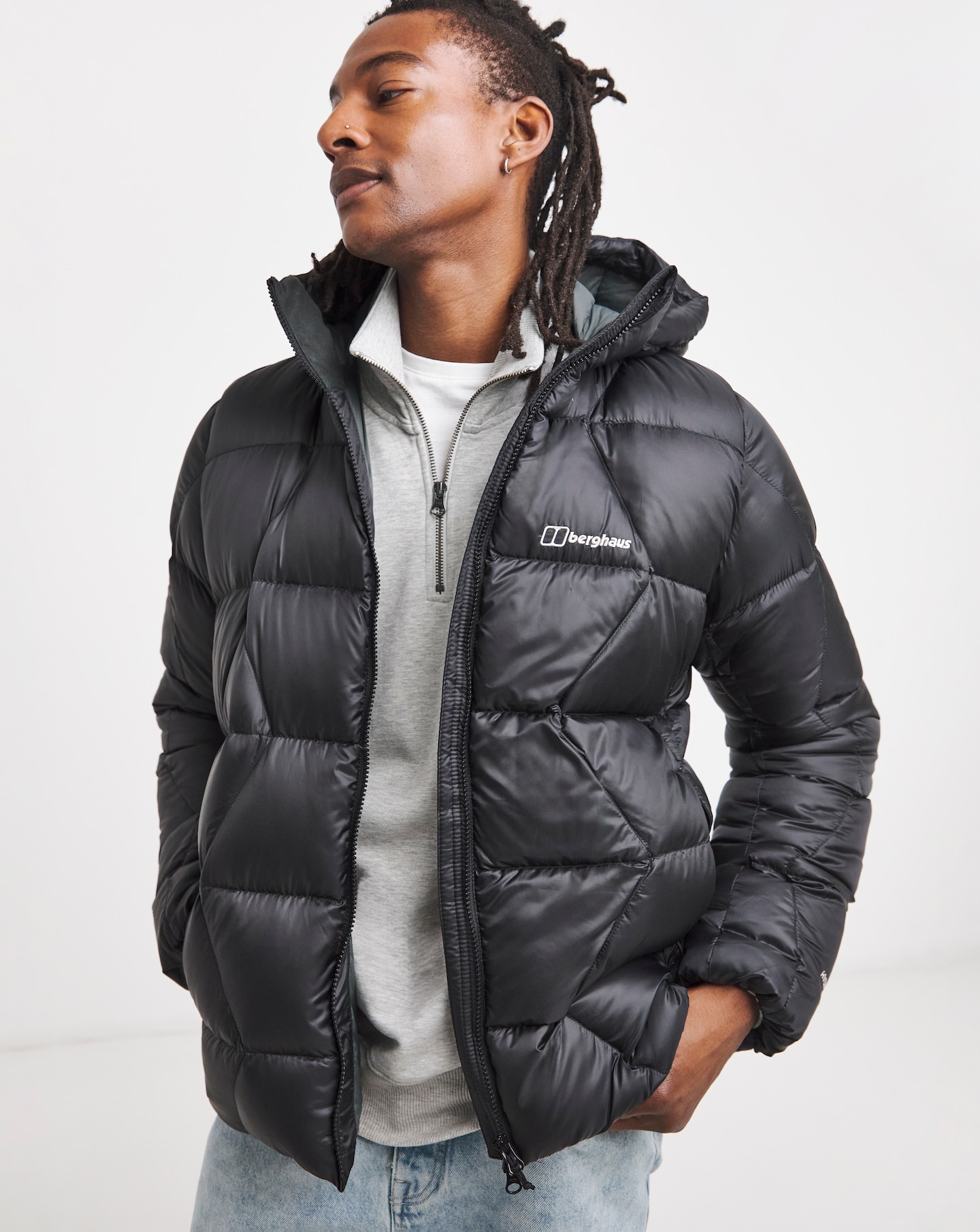
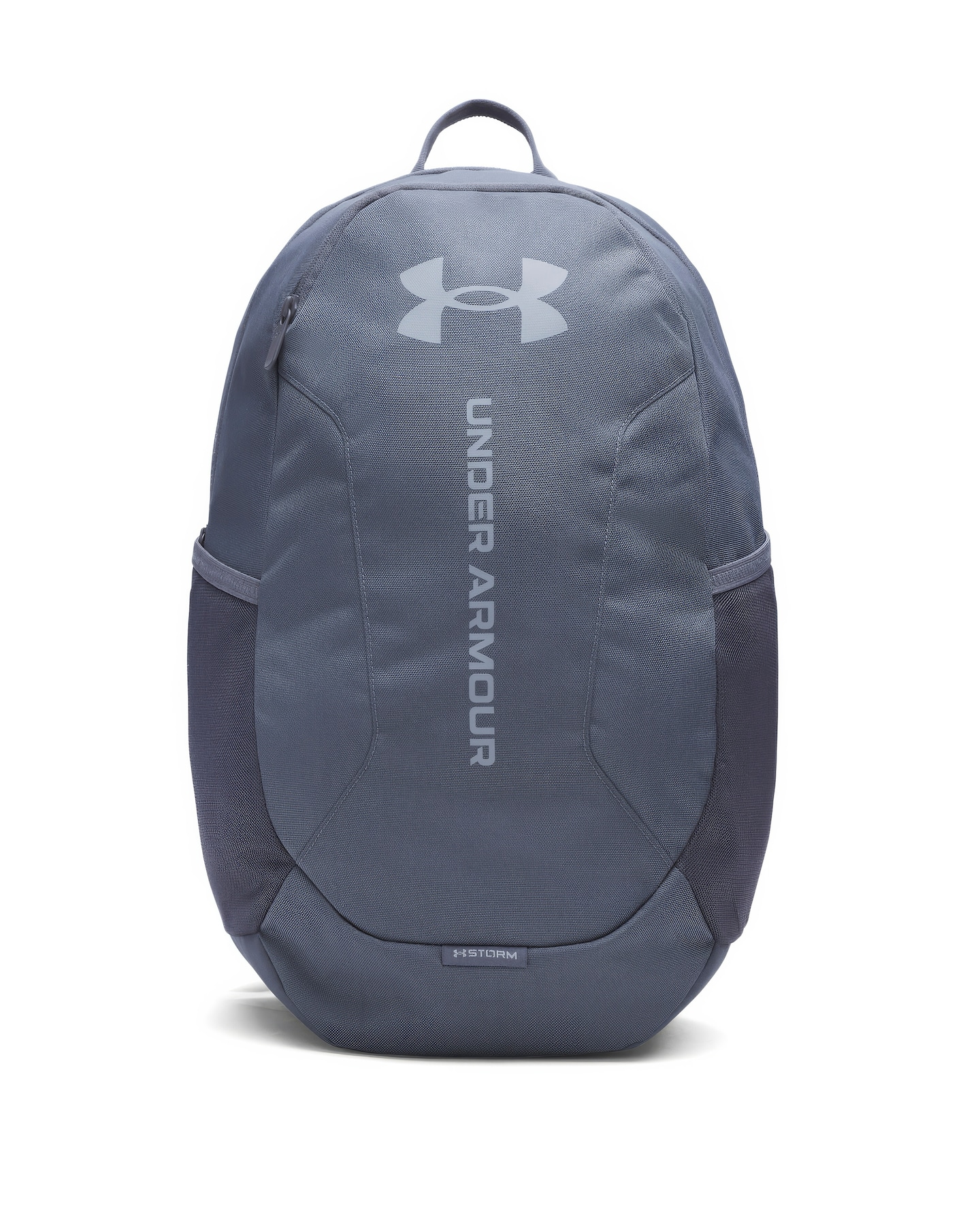
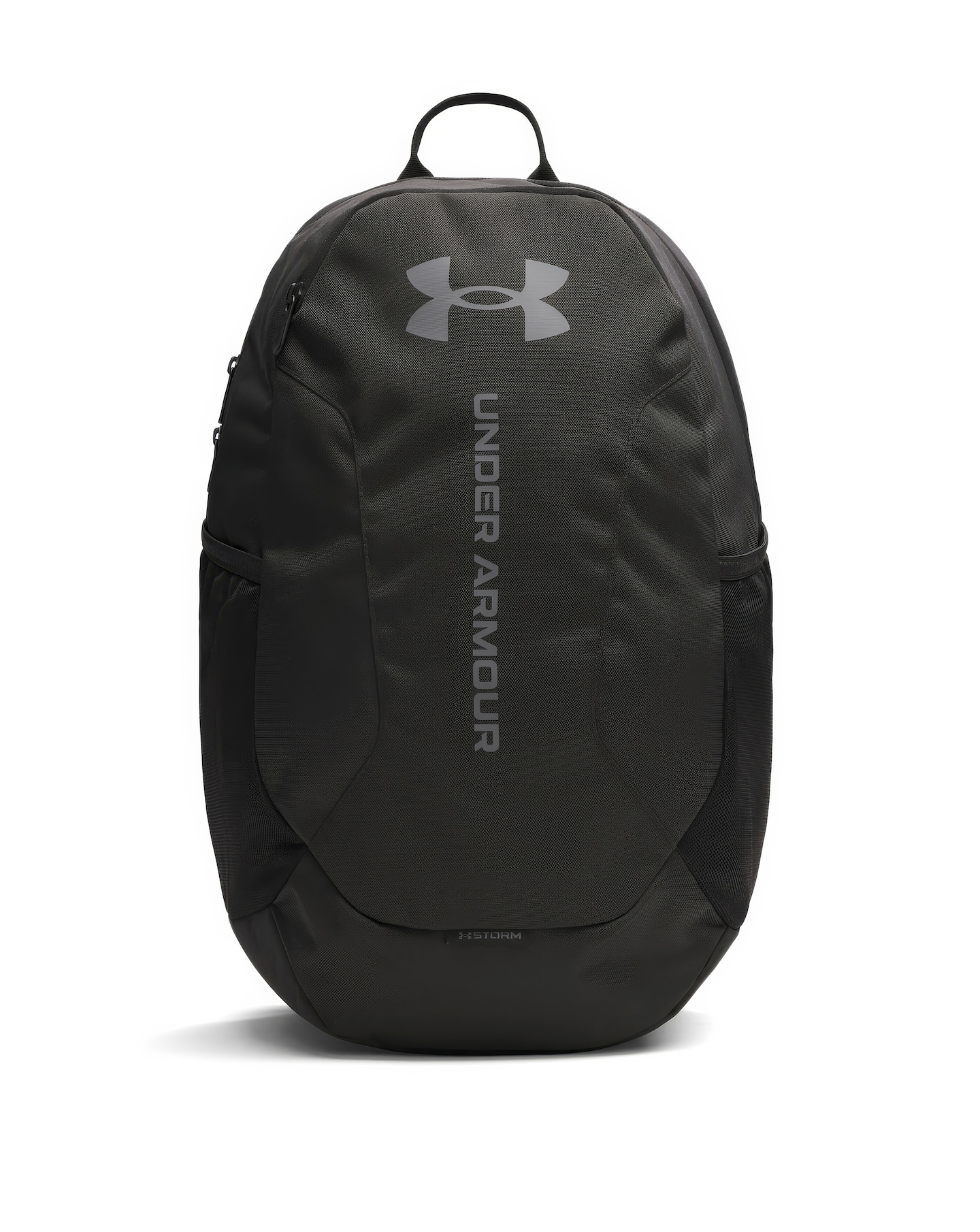
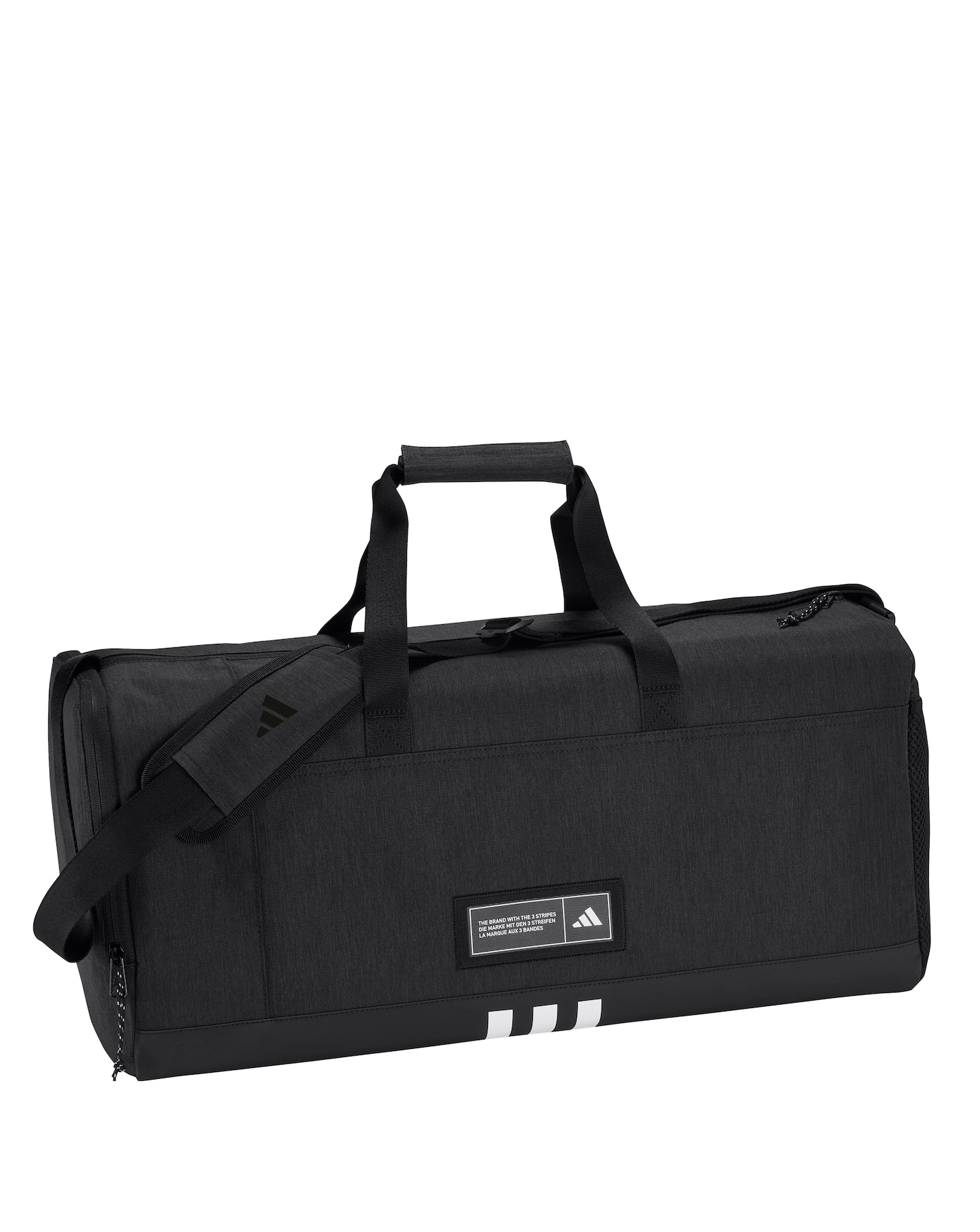
Explore our range of daypacks for trekking, designed to provide comfort and functionality for your outdoor adventures. These lightweight and durable backpacks feature adjustable straps, multiple compartments, and hydration reservoir compatibility, ensuring you stay organised and refreshed on the go. With breathable materials and ergonomic designs, our daypacks offer the perfect balance of support and ventilation, making them ideal for day hikes or extended treks. Whether you're navigating rugged trails or enjoying scenic views, these daypacks are your reliable companion for every journey.
What should I look for in a daypack for trekking?
- When choosing a daypack for trekking, consider factors such as capacity, comfort, and features. Look for a pack that offers enough space for your essentials, adjustable straps for a secure fit, and pockets for easy access to gear. Additionally, breathable materials and a lightweight design can enhance your trekking experience.
Are daypacks for trekking waterproof?
- Not all daypacks are waterproof, but many are made with water-resistant materials or feature a rain cover for added protection. If you plan to trek in wet conditions, look for a pack specifically designed to withstand moisture. Always check the product specifications for waterproof capabilities.
How much can a daypack hold for a day trek?
- A typical daypack for trekking can hold between 20 to 30 litres, which is generally sufficient for carrying essentials like water, snacks, a first aid kit, and extra clothing. The capacity you choose may depend on the length of your trek and the amount of gear you need to bring along.
Can I use a daypack for other activities besides trekking?
- Yes, daypacks are versatile and can be used for various activities such as day trips, cycling, or even commuting. Their lightweight design and practical features make them suitable for carrying everyday essentials, making them a great all-purpose backpack.
How do I properly fit a daypack for trekking?
- To fit a daypack properly, adjust the shoulder straps so that the pack sits comfortably on your back without shifting. The hip belt should rest on your hips to help distribute the weight evenly. Make sure the load is balanced and the pack does not extend beyond your shoulders for optimal comfort during your trek.