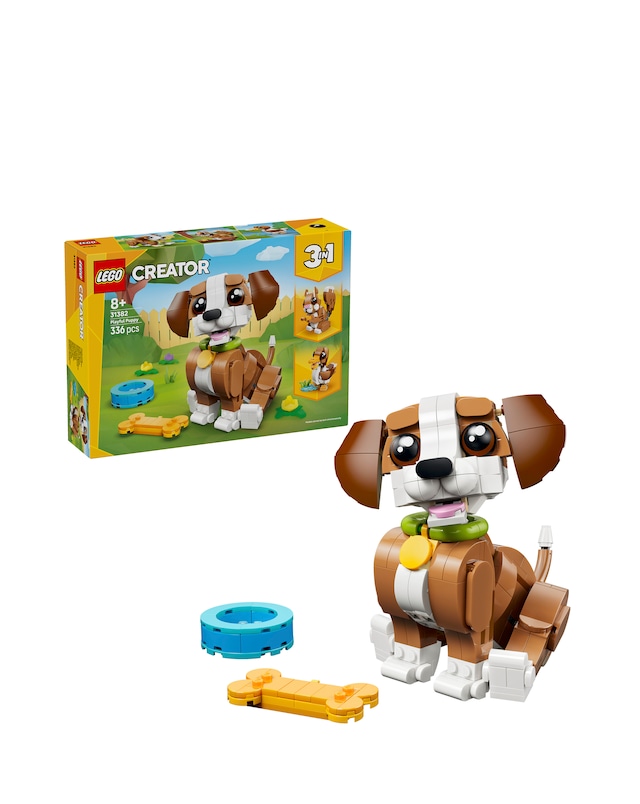
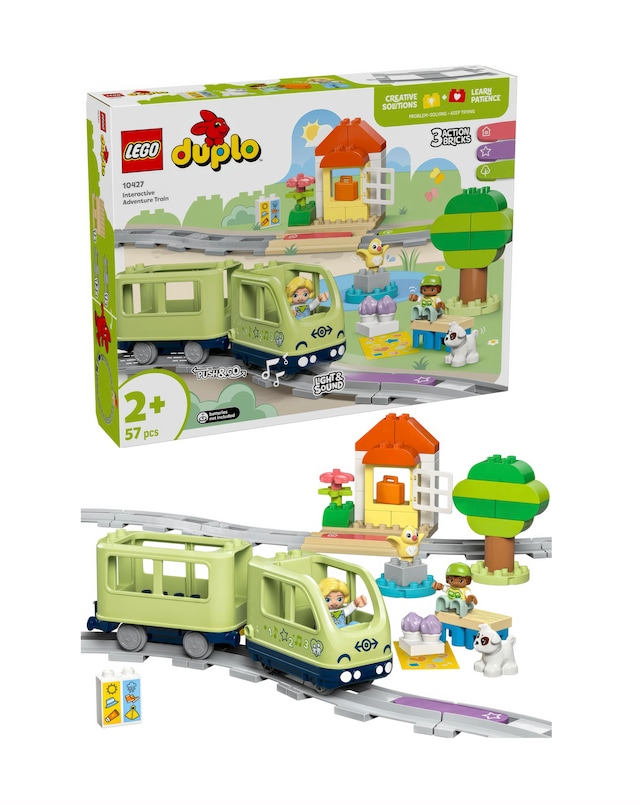
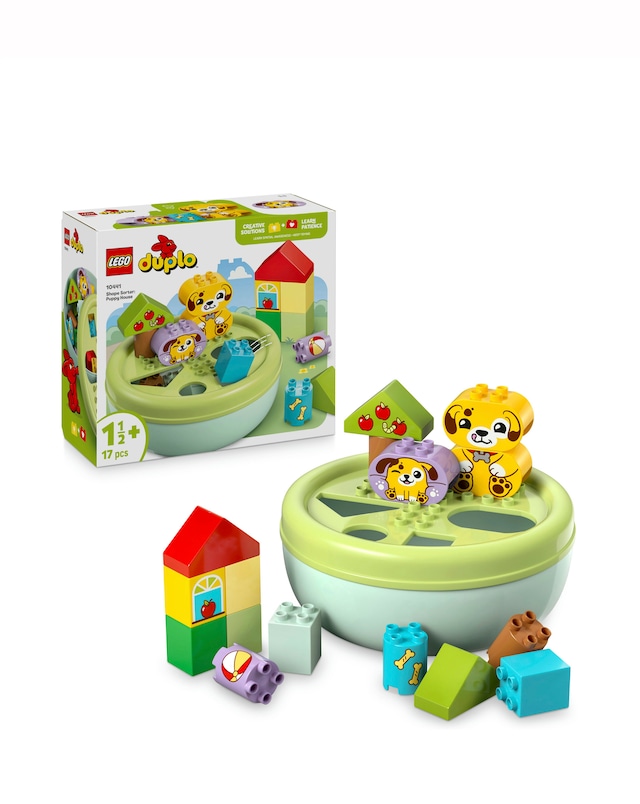
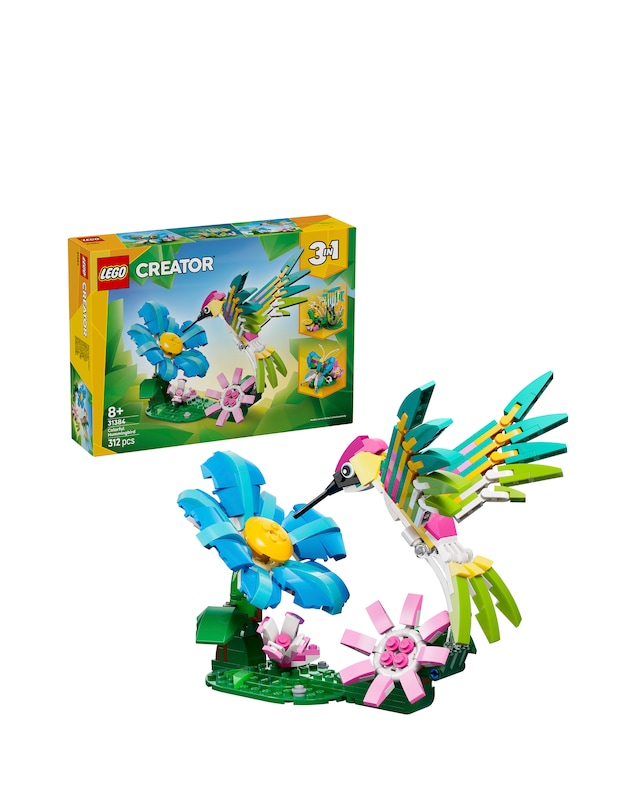
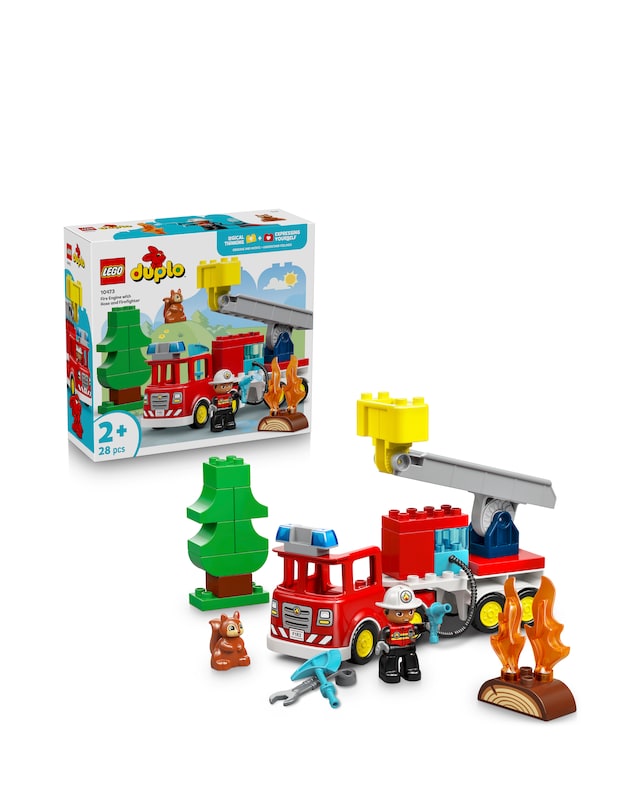
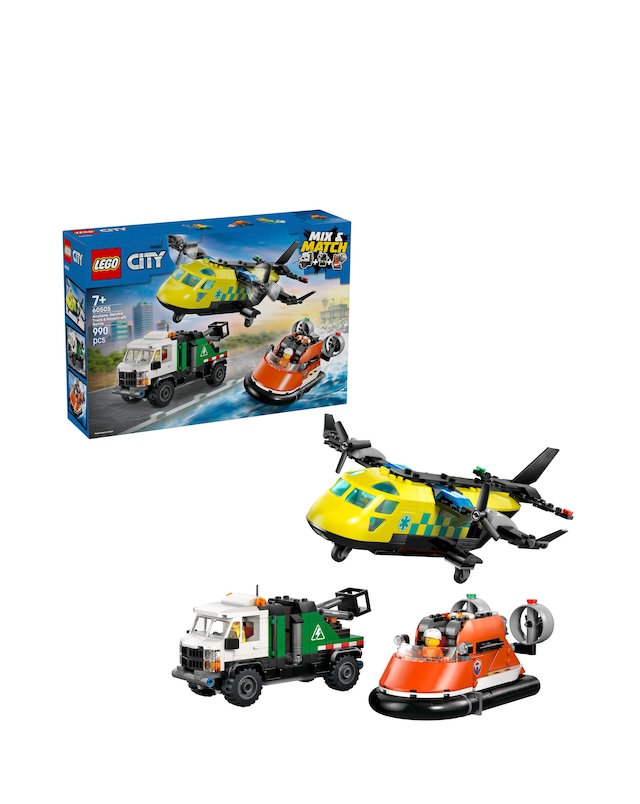
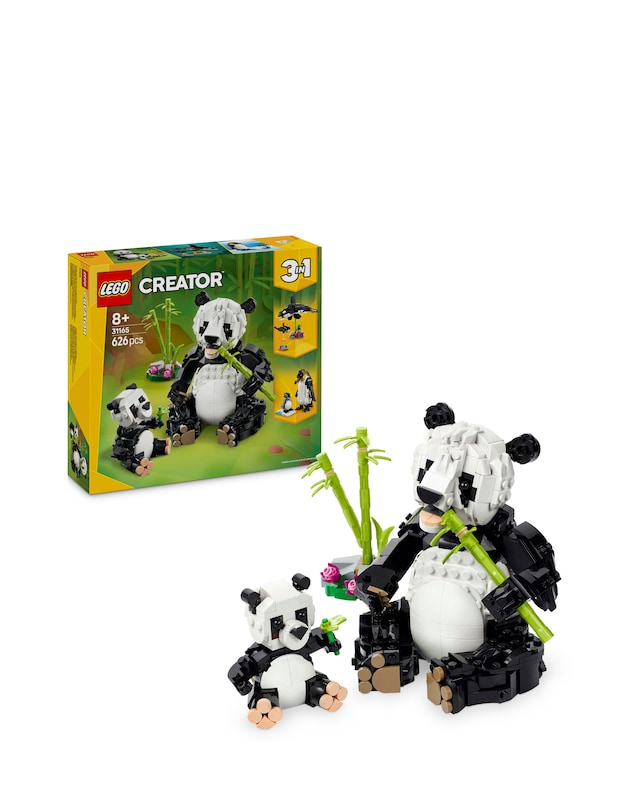
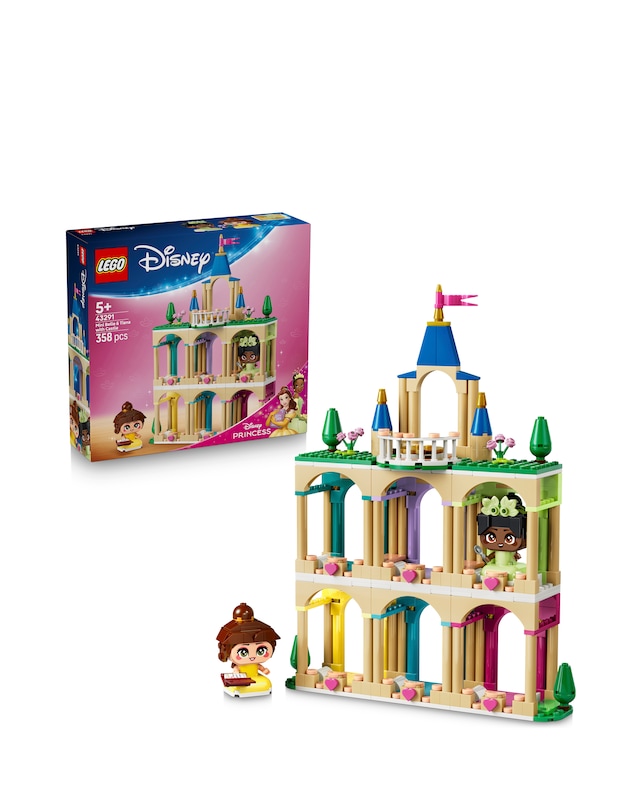
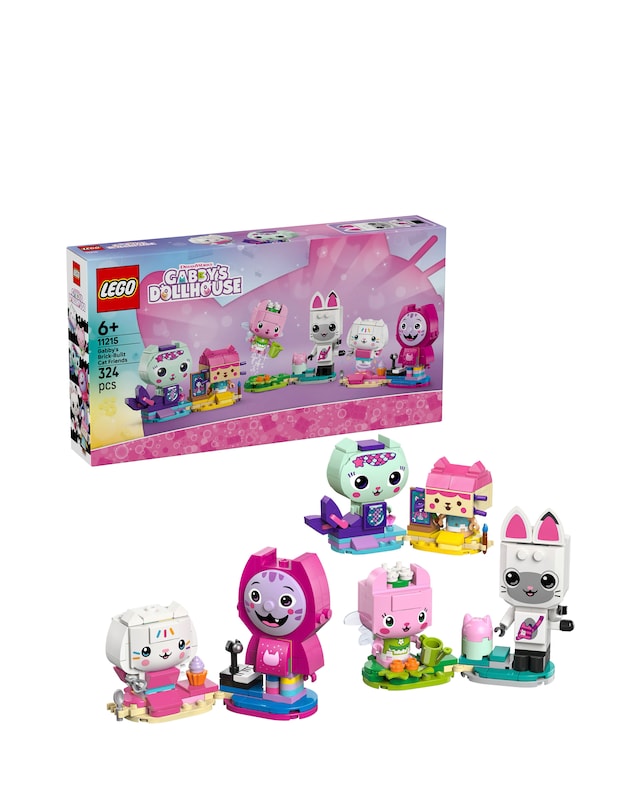
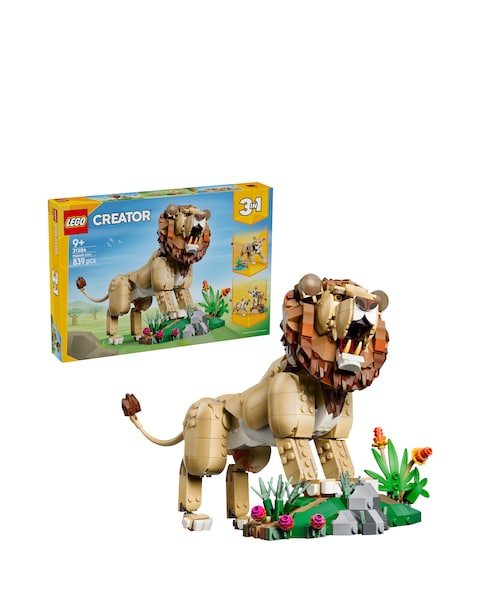
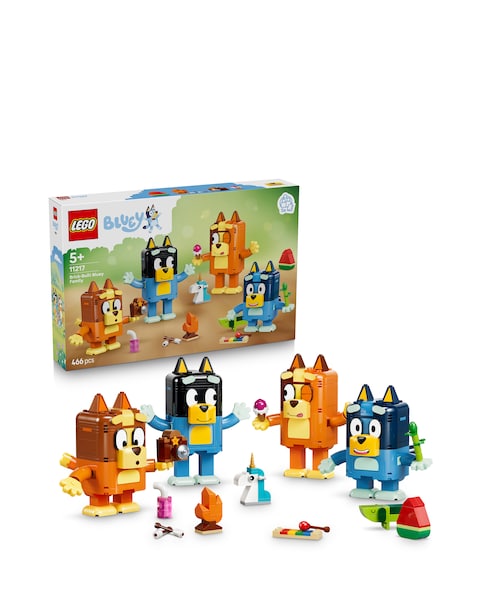
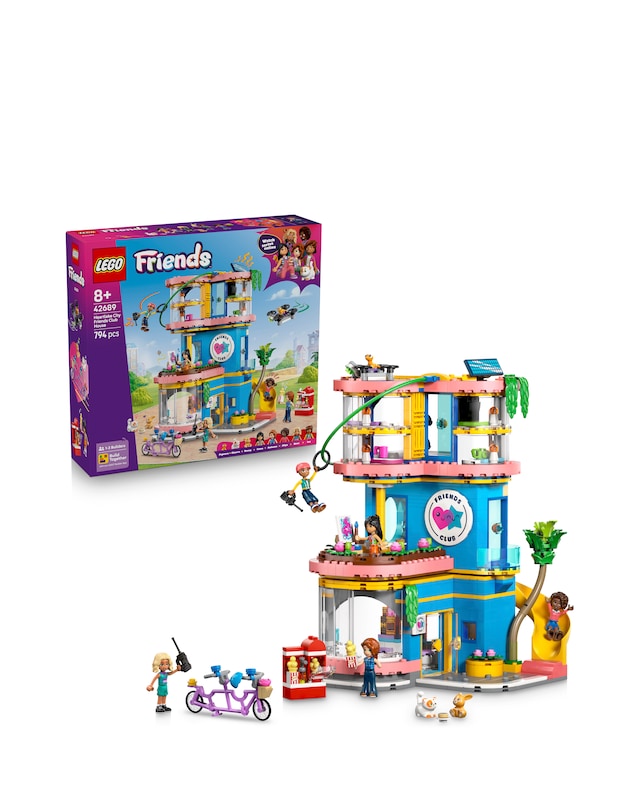
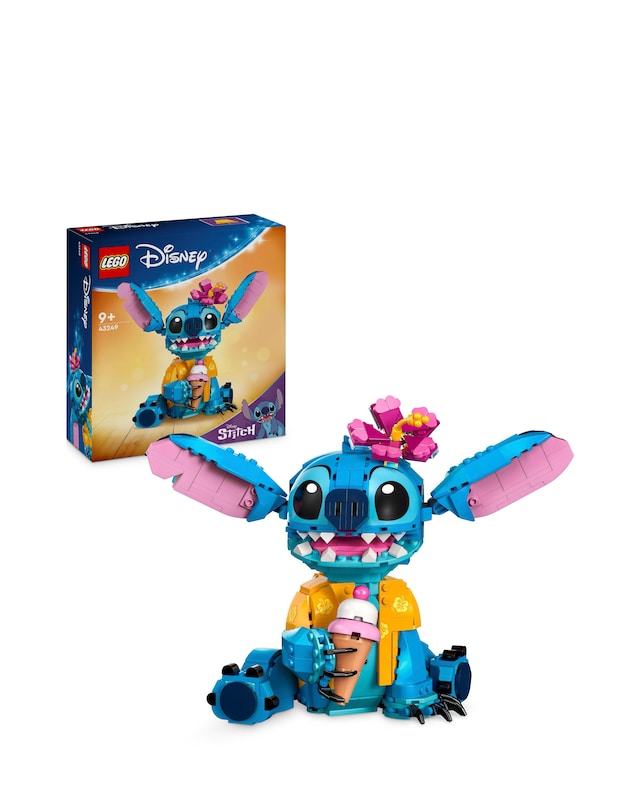
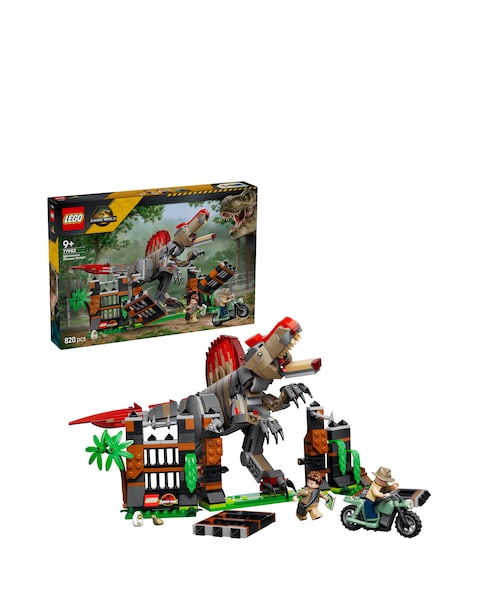
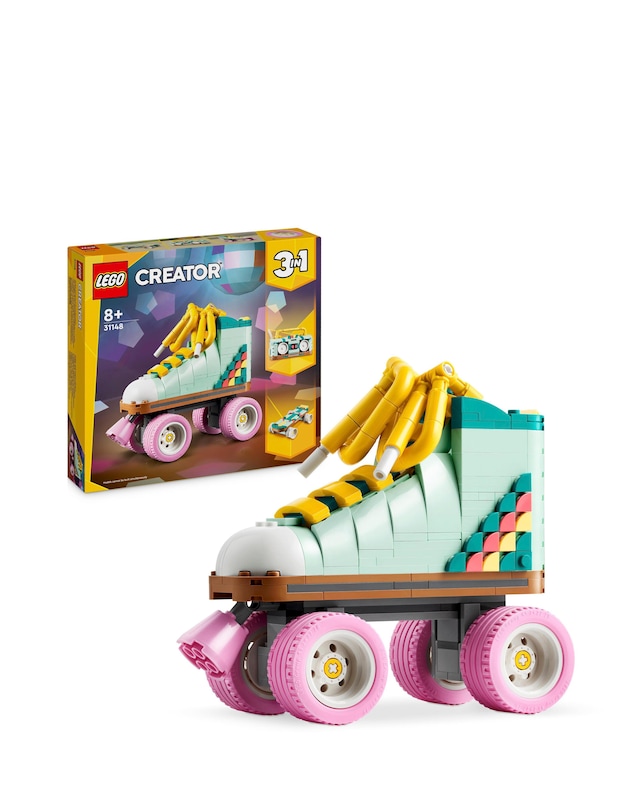
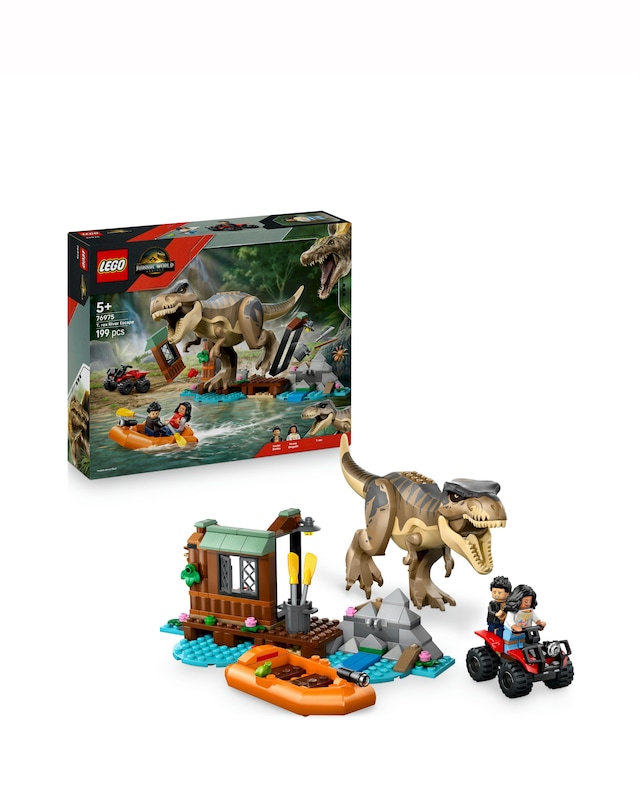
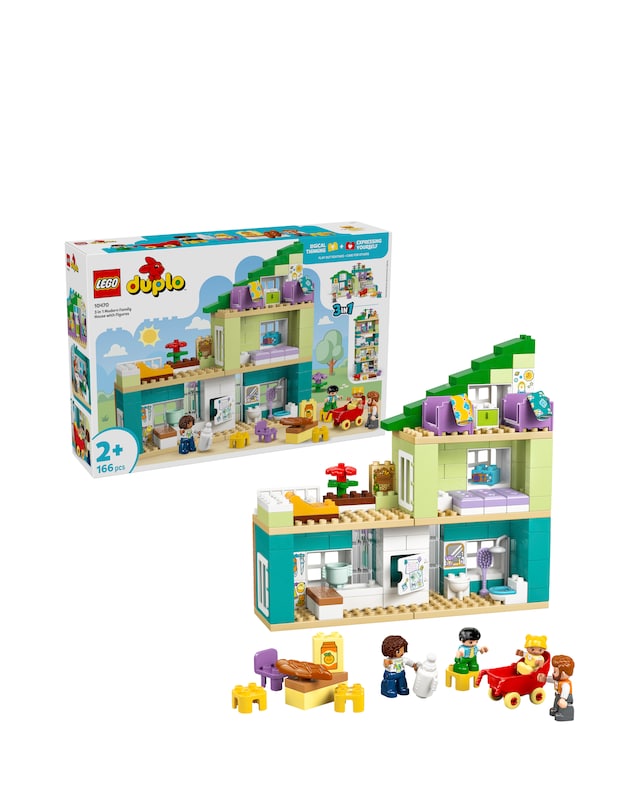
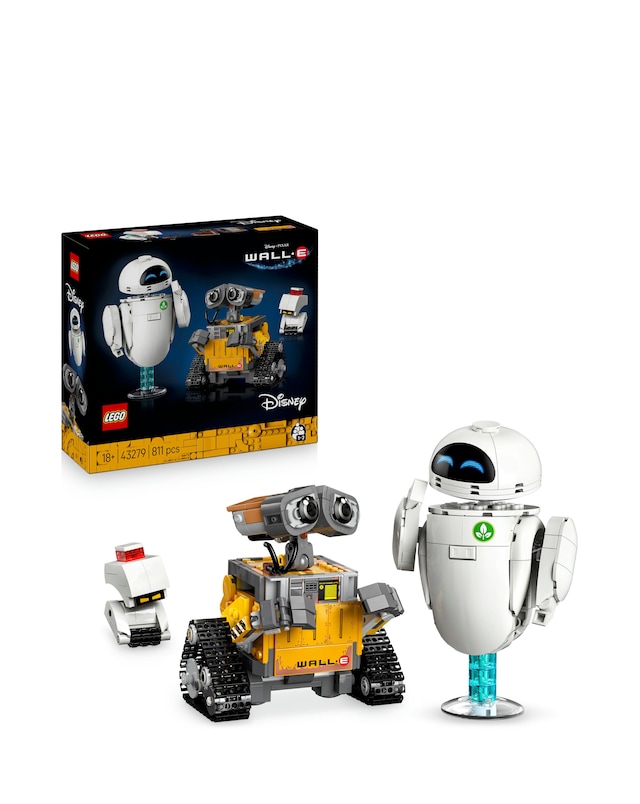
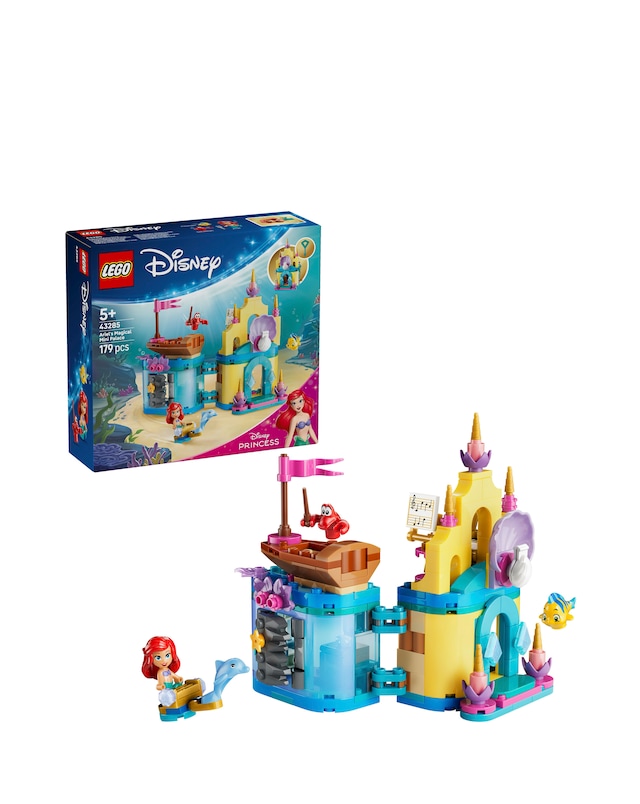
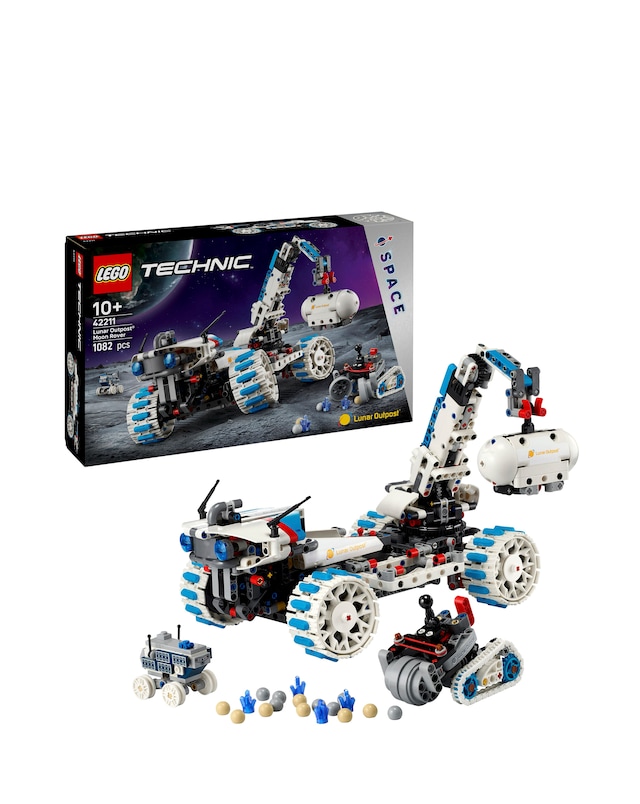
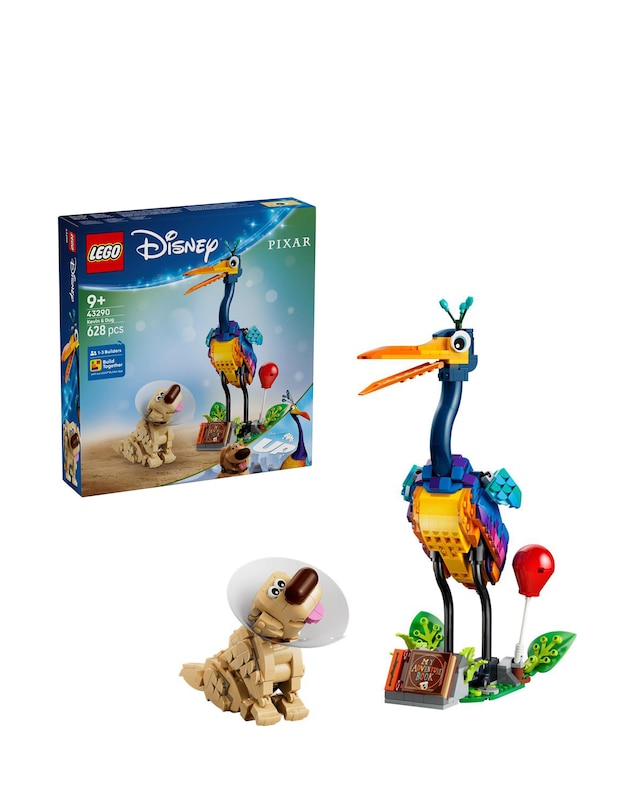
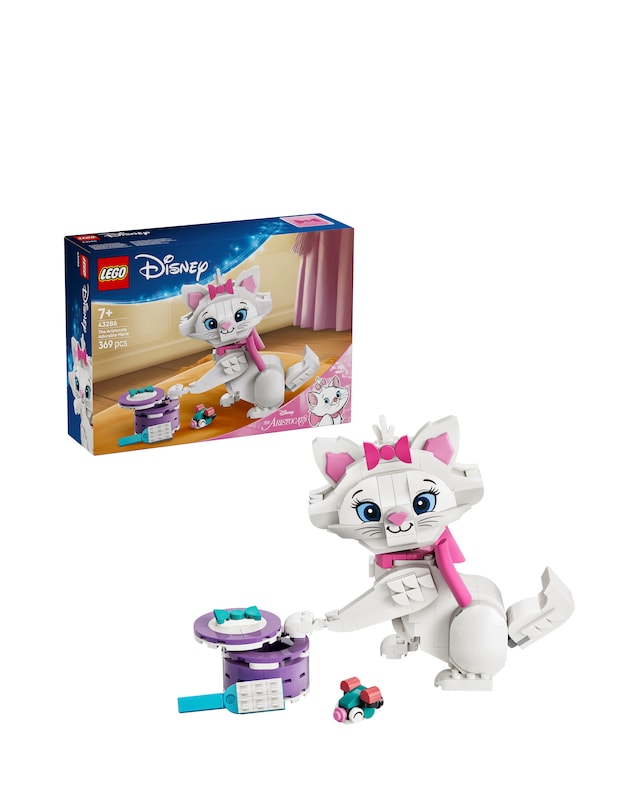
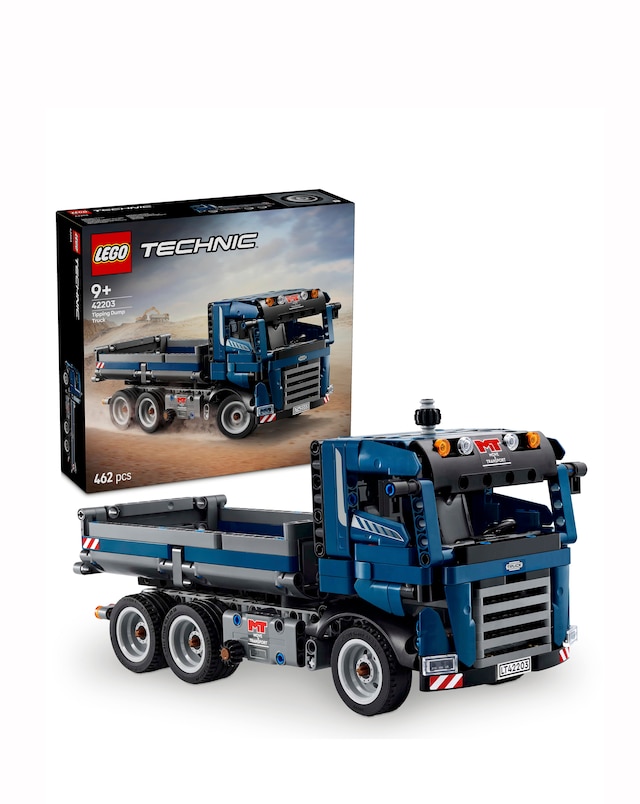
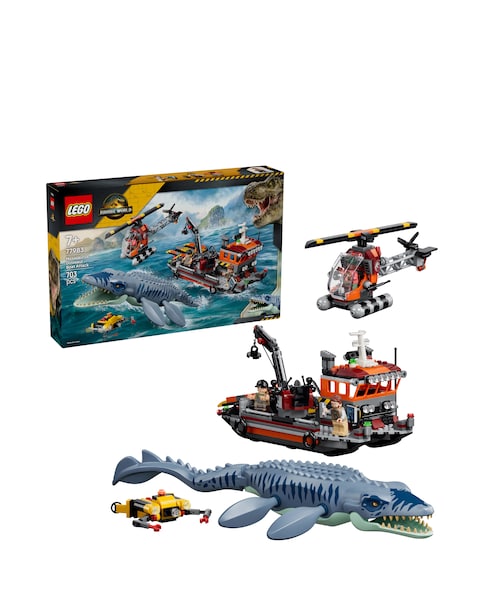
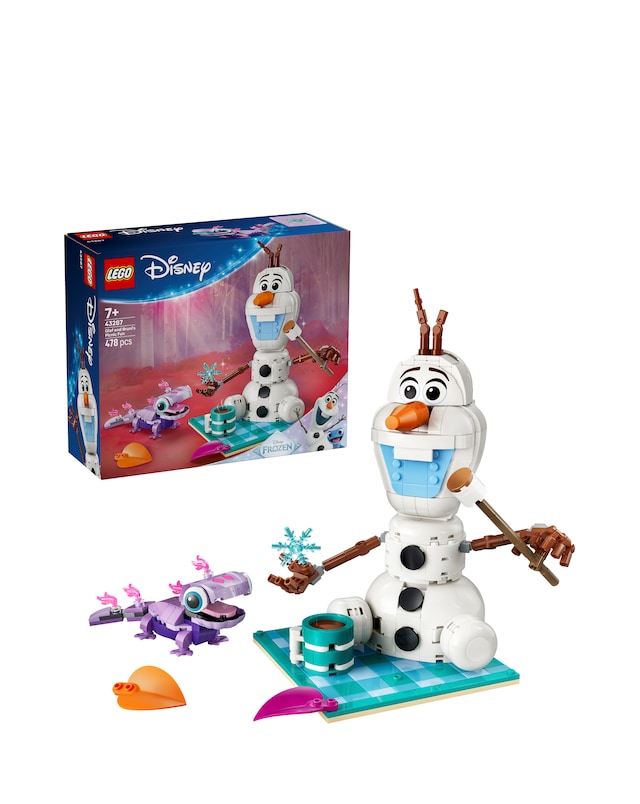
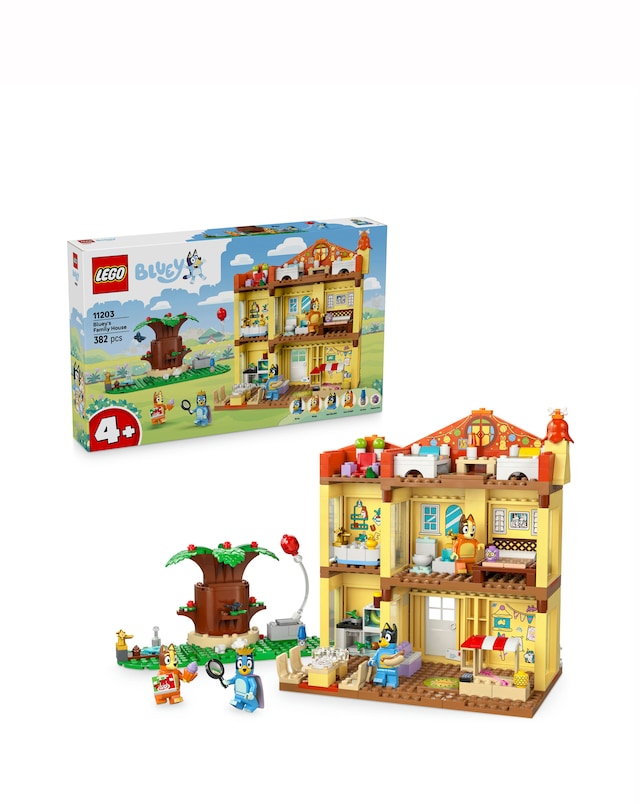
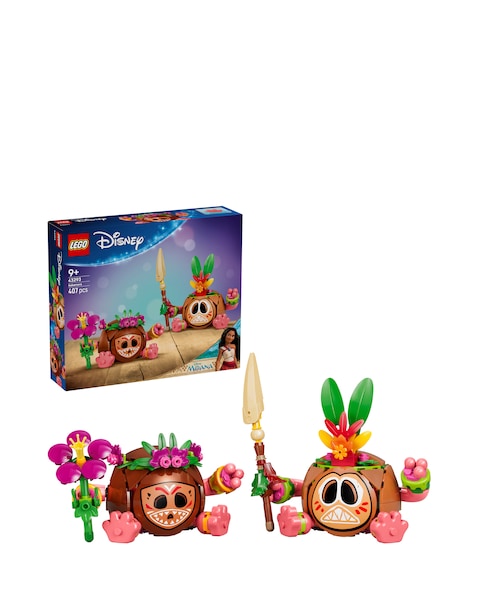
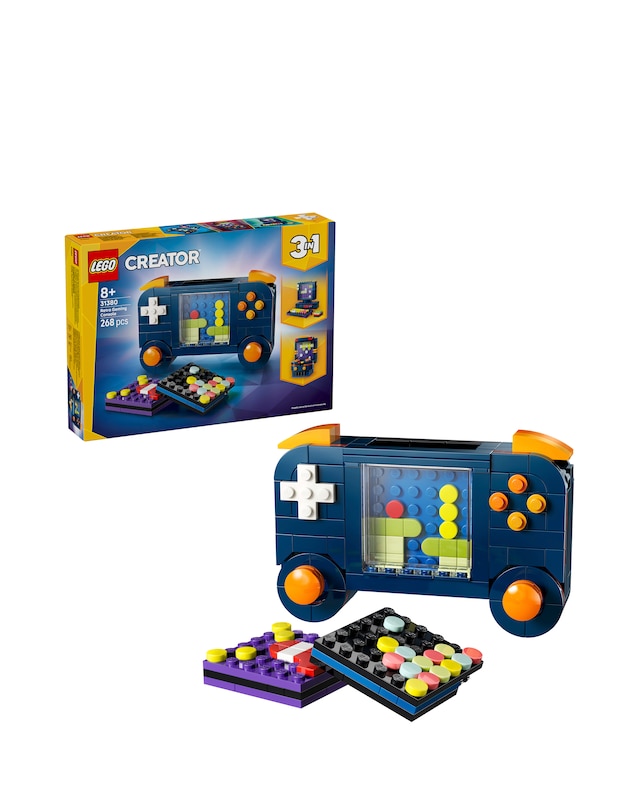
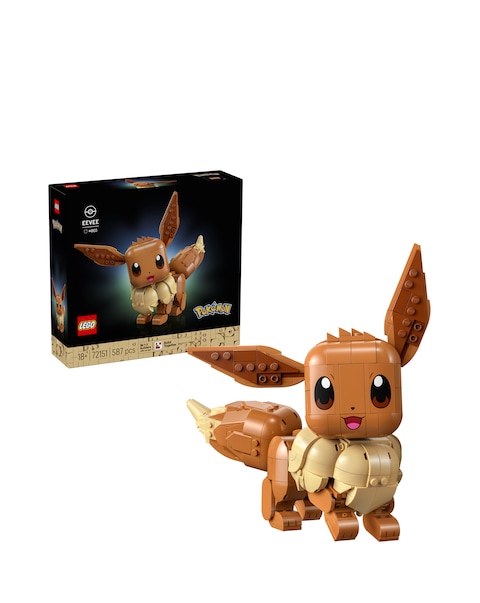
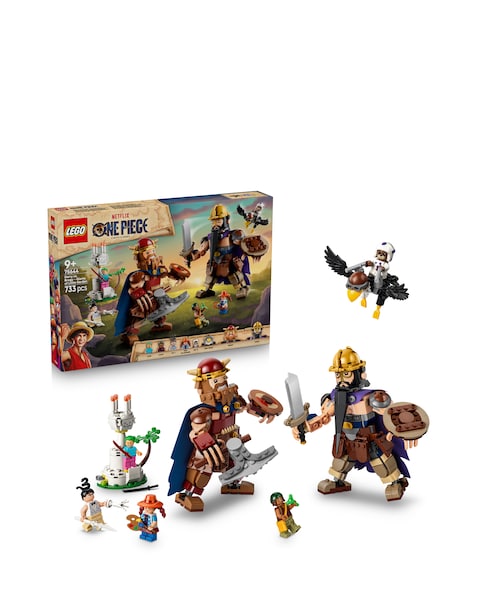
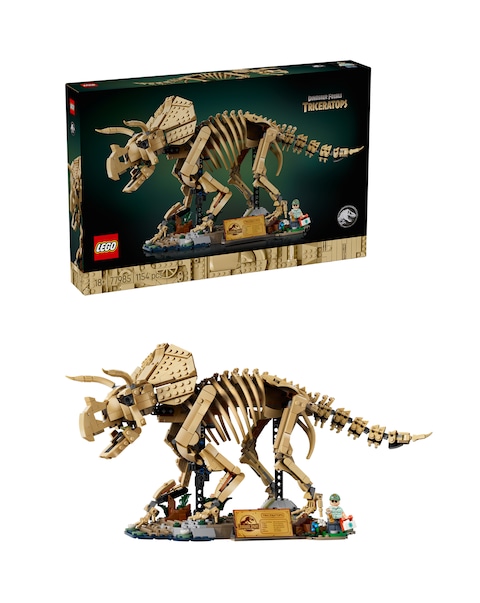
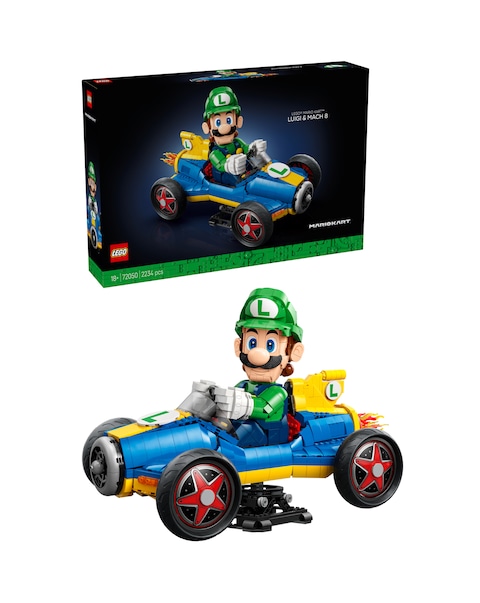
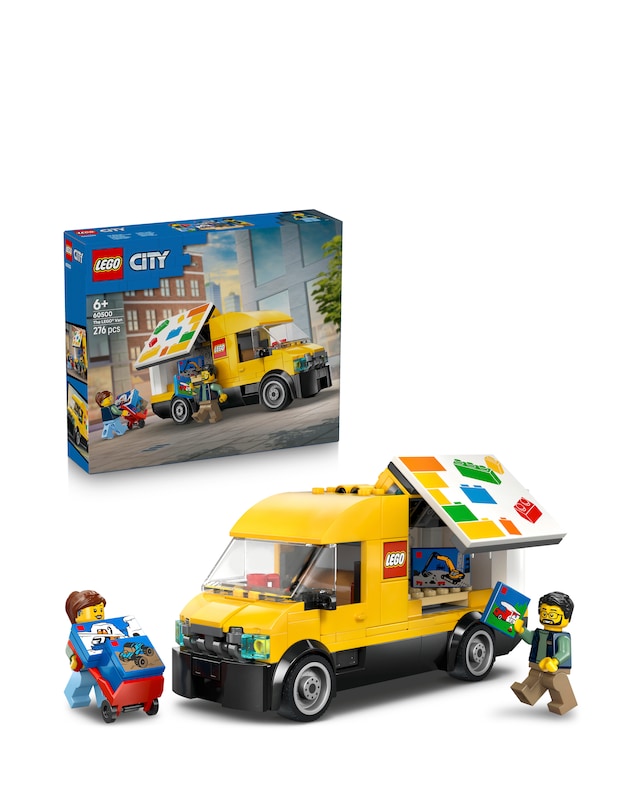
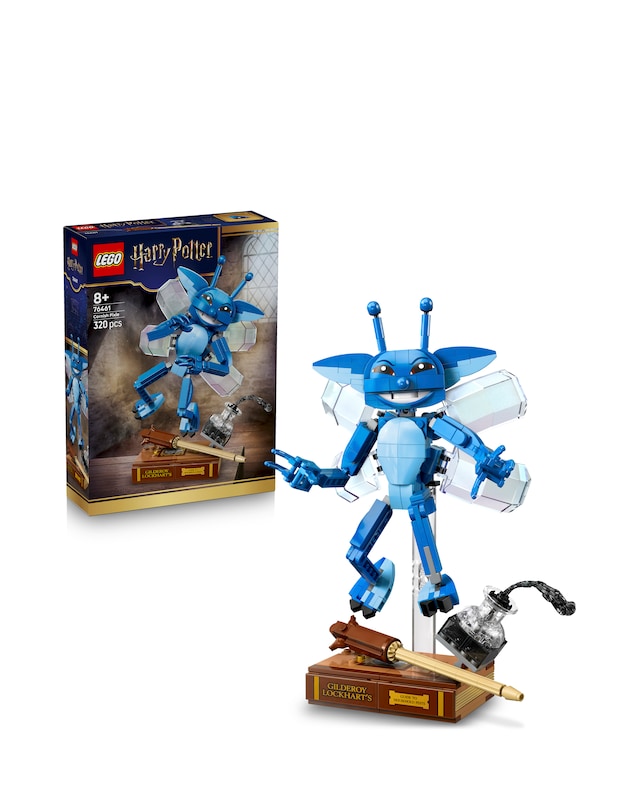
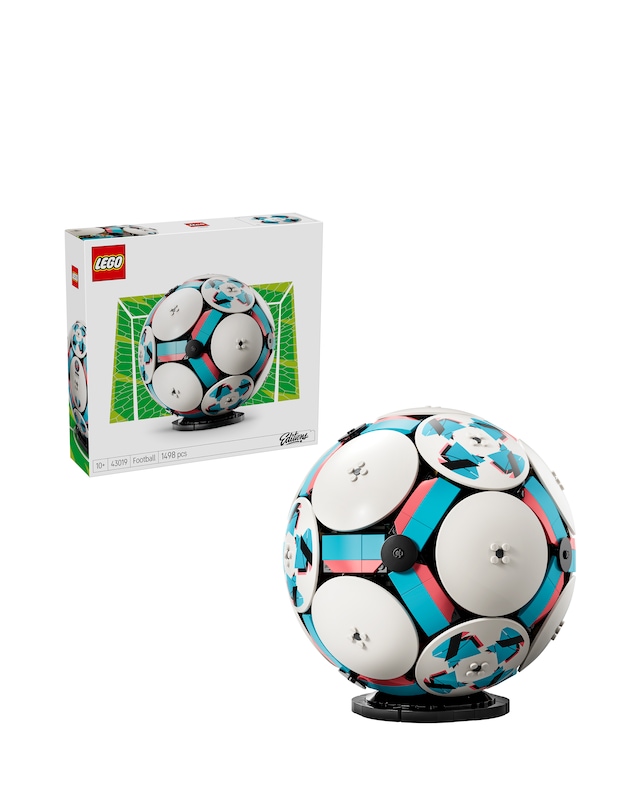
Explore our extensive range of learning toys designed to inspire creativity and enhance developmental skills in children. These engaging toys promote imaginative play while encouraging problem-solving, fine motor skills, and cognitive development. With a variety of interactive and educational options, from building sets to shape sorters, each toy is crafted to provide hours of fun while supporting essential learning milestones. Perfect for children of all ages, our learning toys make playtime both enjoyable and enriching.
What are learning toys?
- Learning toys are specially designed playthings that promote educational development in children. They often focus on skills such as problem-solving, creativity, and fine motor abilities. These toys can range from building blocks to puzzles and interactive games.
How do learning toys benefit child development?
- Learning toys support various aspects of child development, including cognitive, social, and emotional skills. They encourage children to explore, experiment, and engage in imaginative play, which is crucial for their overall growth. Additionally, these toys can help improve concentration and critical thinking abilities.
At what age should children start using learning toys?
- Children can begin using learning toys as early as infancy, with age-appropriate options available for each developmental stage. As they grow, toys can be selected to match their evolving skills and interests, ensuring continuous engagement and learning opportunities.
What types of learning toys are available?
- There is a wide variety of learning toys available, including building sets, shape sorters, educational games, and interactive playsets. Many toys are designed to cater to specific skills, such as counting, language development, and spatial awareness, making it easy to find the right fit for your child's needs.
Can learning toys help with social skills?
- Yes, many learning toys encourage cooperative play, which can help children develop social skills such as sharing, communication, and teamwork. Group activities and games can foster interaction among peers, allowing children to practice essential social behaviours in a fun environment.