
;Crop=(0,0,4096,2732),gravity=North)
Men’s Running Trainers: What Makes Them Different and Why It Matters
Whether you’re hitting the pavement for the first time, training for a 5K, or just trying to stay active, one piece of gear stands above the rest: your footwear.
What Are Running Trainers and How Are They Different?
Running is one of the most popular ways for men to stay fit, but a common mistake many of us make is reaching for a pair of standard, everyday trainers before heading out the door. While they might look the part, non-running trainers often lack the technical DNA required to protect your body. In this guide, we’ll break down why purpose-built men’s running trainers are a non-negotiable for your performance and long-term health.
At a glance, a trainer is a trainer, right? Wrong. The difference between a general, everyday trainer and a proper running trainer is massive, and it’s all down to a purpose-built design.
The Functional Difference
-
Running Trainers: Engineered exclusively for the repetitive, high-impact motion of running. Their design focuses on absorbing shock, guiding your foot through its natural stride (gait), and providing stability right where you need it.
-
Standard Trainers: Designed for casual, multi-directional movement like walking, standing, and general lifestyle wear. They offer basic comfort but lack the specialised technology required to handle running's impact forces.
Everyday trainers simply don’t offer the cushioning, energy return, or stability necessary for running. Think of it like this: you wouldn't use a screwdriver to hammer in a nail, and you shouldn't use a casual shoe for a run. Investing in proper men’s trainers for running means investing in specialised protection for your body.
Why Men Specifically Need Proper Running Trainers
On average, men have larger builds and greater body mass than women. This means that every time your foot strikes the ground while running, the impact force is significantly higher. This shock travels straight up your kinetic chain, to your ankles, knees, hips, and back.
Using supportive running trainers helps manage these forces. If you are a larger build or returning to fitness after a break, the stability provided by a proper running shoe is essential. It ensures your weight is distributed evenly, preventing the "rolling" of the foot (overpronation) that can lead to chronic pain.
Key Features to Look for in Men’s Running Trainers
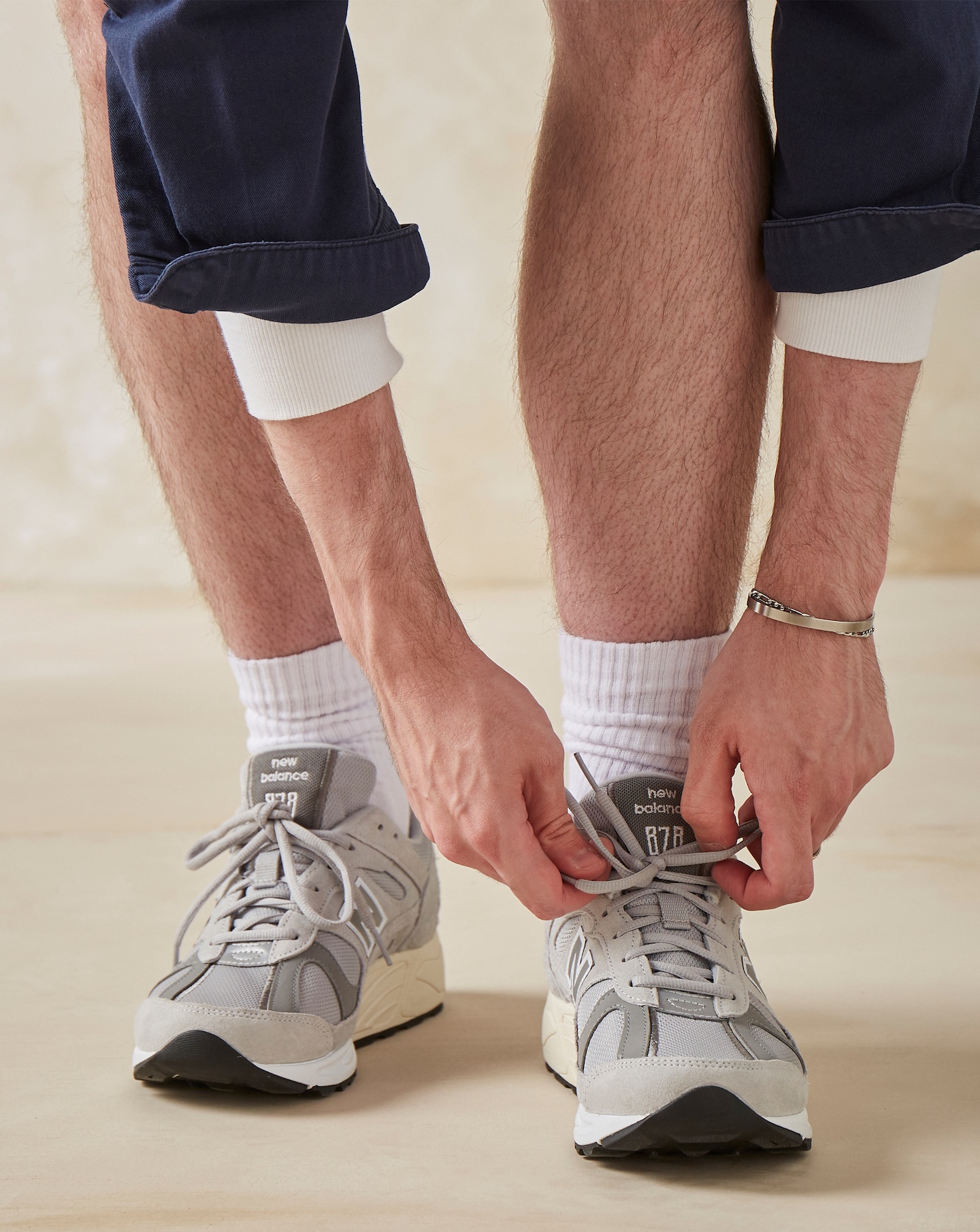
When browsing our sports footwear range, keep an eye out for these four technical pillars:
-
Cushioning and Shock Absorption: Look for foam technologies (like EVA or Gel) that dampen the "thud" of every step.
-
Arch Support and Stability: A good pair of men's trainers for running should keep your foot in a neutral position, preventing it from collapsing inward.
-
Breathable Materials: Running generates heat. Mesh uppers allow airflow, keeping your feet cool and preventing blisters.
-
Grip and Outsole Durability: The rubber on the bottom needs to handle wet pavement and provide traction so you don't slip during a sprint.
The Role of Fit, Size, and Comfort
The "best" shoe in the world won't work if it doesn't fit your foot shape. At Jacamo, we know that one size doesn't fit all.
-
Width Options: Many men need wide-fit trainers to allow for natural foot swell during a run.
-
The Toe Box: You should have about a thumbnail’s width of space at the front. If your toes are cramped, you’re looking at black toenails and discomfort.
-
Lacing: Proper lacing techniques can help secure a narrow heel or provide more room over a high instep.
-
Top Tip: Always try on your running shoes in the afternoon or evening. Your feet naturally swell throughout the day, which mimics how they will feel 20 minutes into a run.
Choosing comfortable running trainers isn't just about the immediate feel; it’s about protecting your "chassis." Common injuries like shin splints, plantar fasciitis, and runner’s knee are often the direct result of inadequate footwear.
By investing in high-quality men's fitness footwear, you are essentially buying insurance for your joints. Proper alignment and impact protection mean you can stay active for decades, rather than being sidelined by preventable aches.
Running Trainers for Different Types of Runners
Not every runner needs the same gear. Your choice should depend on your environment:
The Beginner: Focus on maximum cushioning and stability to help your body adapt to new stresses.
Road vs. Treadmill: Road runners need thicker outsoles for abrasive concrete. If you're primarily on a treadmill, you can opt for lighter, more flexible models.
The Casual Jogger: If you're just doing a couple of miles a week, a versatile "neutral" runner is often the best balance of price and performance
Can Running Trainers Be Worn for Everyday Use?
The short answer? Yes. Modern men’s sports trainers are designed with sleek aesthetics that pair perfectly with men's joggers or jeans for a casual, athletic look.
However, keep an eye on the mileage. Most running shoes have a lifespan of 300–500 miles. If you wear them every day for walking, the foam will compress over time, meaning they won't provide the same protection when you actually head out for a run. We recommend rotating your shoes or keeping a dedicated pair just for your training sessions.
Summary: Invest in Your Stride
Understanding what makes good running trainers for men is the first step toward a healthier, more active lifestyle. By prioritising support, cushioning, and the correct fit, you’ll find that running feels easier, more enjoyable, and most importantly pain-free.
Ready to find your perfect pair? Explore our full collection of high-performance footwear today.
COMMONLY ASKED QUESTIONS ABOUT MEN’S RUNNING TRAINERS
Like what you’ve just read?
Follow Jacamo on Google to see more of our content in your results. No sign-up required—just great content directly in your feed, saving your inbox for the big updates. You can change your preferences with Google at any time.
 Follow us on Google