
RISE OF RUN CLUBS
;Crop=(0,0,5464,3116),gravity=North)
Over the past year, online interest in “run clubs” has surged by 33%, and the latest Strava report shows that running is still the platform’s most popular sport. [1] Not only that, but studies have found that men are more likely to be regular runners than women (44% versus 35%), and 5% of British men run every single day. [2]
For many, running has become more than just a way to keep fit and healthy, and instead is used to improve mental health. [3] In fact, this increased momentum for physical activity in a group setting is helping to combat issues men are facing, in particular, loneliness. [4]
Run clubs offer a relaxed, easy way for men to meet others with similar goals, keep active in a way that actually sticks, and feel better day to day. There’s something about showing up regularly, seeing familiar faces and heading out together that makes it easier to stay motivated.
Before long, it’s not just about the run itself but the chats before and after, the sense of routine and the feeling that you’re part of something. For many men, those small moments of connection end up being just as rewarding as the fitness gains.
To explore this further, we’ve looked at the growing rise of run clubs across the UK, including the areas emerging as hotspots for running communities, alongside insights from fitness coach and founder of Blood, Sweat & Cheers, Steve Blood, Slow Run Club founder Holly Spiers and psychotherapist and fitness instructor Eloise Skinner.
;Crop=(0,0,4096,2732))
RUN CLUB SEARCHES OVER TIME
;Crop=(0,0,5464,3116),gravity=Center)
Over the last year, Google searches for “run clubs” have jumped by 33% across the UK, and the growing trend doesn’t stop there. On TikTok, #runUK has already featured in more than 700 videos, while #MenWhoRun has picked up over 107,000 views. The latest Strava Year In Sport report paints an even clearer picture of the trend. Running is still the platform’s top sport, and beginners are joining in with real enthusiasm. Most people rate themselves as beginner or intermediate, and an impressive 86% of Runna-connected runners hit a personal best this year. [1]
Strava also saw new sports clubs almost quadruple in 2025, reaching one million in total. Hiking clubs grew the fastest, but running clubs were not far behind. [1]
Even the weekly rhythms of training showed clear patterns, with Friday emerging as the unofficial rest day. Most people logged their workouts directly through the Strava app, and some regions proved far more social than others. Milton Keynes topped the list for group runs, followed by Norfolk and Durham. [1]
To learn more about how people are approaching movement, motivation and community, we spoke with fitness coach and founder of Blood, Sweat & Cheers, Steve Blood.
Steve says:
“There’s been a spike in running events over the last few years and it’s more popular than ever.
“I’m seeing a lot of people that wouldn’t have considered running before sign up to 5Ks/10Ks/ half marathons etc because apps like Strava, Instagram and Garmin promote community and inclusiveness. Running is no longer a sport for athletes or fit people, everyone can do it with the right support and guidance.”
For those looking to get into running, Steve shares his top tips:
“New runners joining a local run club or Park Run on a Saturday is a brilliant starting point. But, start slowly.
“There’s a common belief that a sub-30-minute 5K is the baseline, but it’s far more important to set goals that are realistic, measurable, and achievable. A structured running programme can really help with this. Many people come in with a skewed perception that a 30-minute 5K is “basic,” when in reality it’s something a lot of runners can’t yet do. If you’re completely new, starting with a gentle 5–10 minute jog and gradually building from there is the safest and most effective approach.
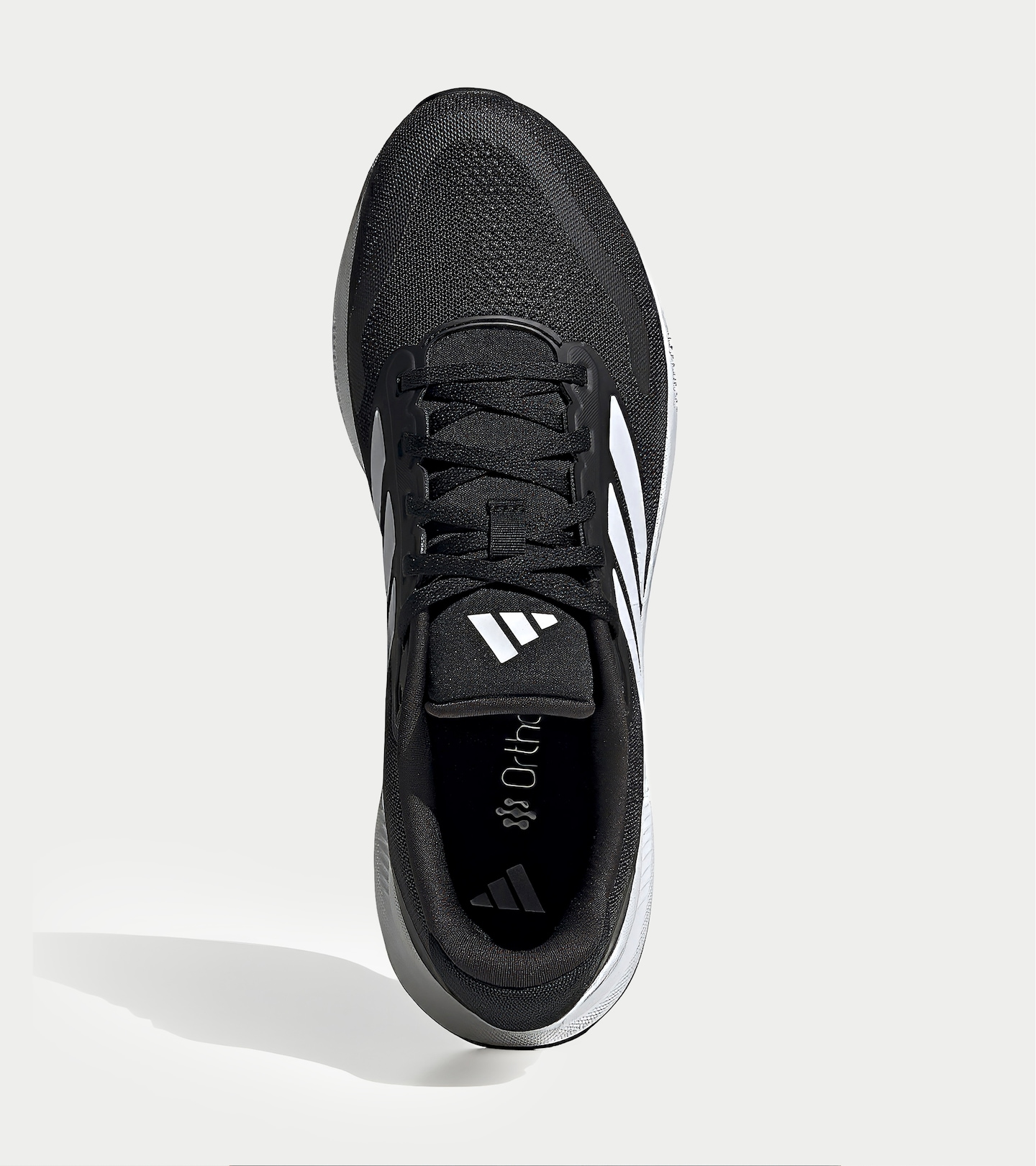
“Invest in a good pair of running shoes. They don’t need to be expensive, but they should suit your gait and the type of running you’ll be doing. Wearing the wrong shoes can increase your risk of injury.
“If possible, use a smartwatch. Having some form of tech helps you track progress and understand how you’re performing. It doesn’t need to be the latest Garmin - an Apple Watch set up properly works just as well. Being able to monitor pace and effort means you’re not running blindly; you can train with purpose and see progress more clearly.”
;Crop=(0,0,4096,2732))
RUN CLUB HOTSPOTS
;Crop=(0,0,5464,3116),gravity=Center)
;Crop=(0,0,5464,3116),gravity=Center)
Using data from England Athletics, we compared the number of affiliated running clubs and organisations in 2024 and 2025 to reveal which UK counties are emerging as hotspots for runners.
The findings show that Cumbria leads the way, boasting the highest concentration of running clubs in the country, with 8.8 clubs per 100,000 people. Cumbria boasts 16 different Park Runs across the county, including run clubs for juniors too. [5]
Close behind is Surrey, where runners can choose from 66 different clubs in 2025, equating to 5.3 clubs per 100,000 residents. Oxfordshire, Essex and Warwickshire also stand out, each offering a thriving selection of running clubs for those keen to get involved.
;Crop=(0,0,5464,3116),gravity=Center)
Bristol tops the list when it comes to interest in local running clubs, with around 590 Google searches for local run clubs each month, or for every 100,000 people in Bristol, there are around 81.9 searches each month.
Leicester comes next with an average of 210 Google searches each month, or 36.5 per 100,000 people. Following Leicester is Manchester, attracting roughly 1,000 monthly Google searches for “Manchester run club”.
Manchester hosts a wide mix of clubs catering to different running styles and abilities, including the Slow Run Club, founded by Holly Spiers. We caught up with Holly to chat about the benefits of joining a run club. She explains:
“I created the club after enjoying running and going to run clubs, but always finding myself at the back, completely out of breath, with a big gap between me and the group at the front. I wanted to be able to run with people who were at a similar pace to me.
“I loved the connection and excitement that run clubs brought, but I was missing that “together” piece of actually being *in* a run club. There wasn’t a space for people who struggled at other clubs, and there wasn’t a club that truly supported that “all abilities welcome” message.
“Making everyone feel part of that community is really important to me. Making people feel like they’re important and that they deserve a place in the running community matters. I know many people came to Slow Run Club with no friends in Manchester and now have what they consider a tight group. Some of them don’t have a friendship group outside of the run club, but they have this because they found Slow Run Club and found people on a similar wavelength.”
“I think that will be having a huge, positive effect on their mental health—being able to find community, connect, and talk to people every week, whether in the group chat or in person. They get that regular connection they might not have had if they didn’t join.“
EXPERT INSIGHT ON THE BENEFITS OF RUNNING CLUBS
Alongside this, we spoke with psychotherapist and fitness instructor, Eloise Skinner on the positive impact that run clubs can have on mental health.
Eloise comments,
“Group running can provide a number of benefits. Individuals can gain a sense of community or ‘belonging’, when training as part of a bigger team or organisation - especially for runners, as this is typically a solitary activity. Groups can also provide a sense of joy and entertainment, making exercise feel more fun - as well as increasing a person’s sense of motivation and determination.
“Community-based interactions can help us to feel more connected to others, as well as to a greater sense of purpose - this can be essential for our overall wellbeing and perspective / outlook on life. This is especially the case during winter, which can often feel like an isolating season, in which many people are socialising less.”
When asked how run clubs can help to members to overcome physical and psychological barriers, Eloise suggests this can happen in a number of ways:
“Some ways run clubs could support individuals in these circumstances include: lowering any barriers to entry (reducing price, reducing distance, removing set requirements round experience or equipment), promoting inclusivity and diversity in marketing materials, including options for beginners, perhaps even having beginner-only events or training sessions, including time to socialise at the start and end of the run.”
;Crop=(0,0,4096,2732))
HOW RUN CLUBS ARE INFLUENCING FASHION
;Crop=(0,0,5464,3116),gravity=Center)
;Crop=(0,0,5464,3116),gravity=Center)
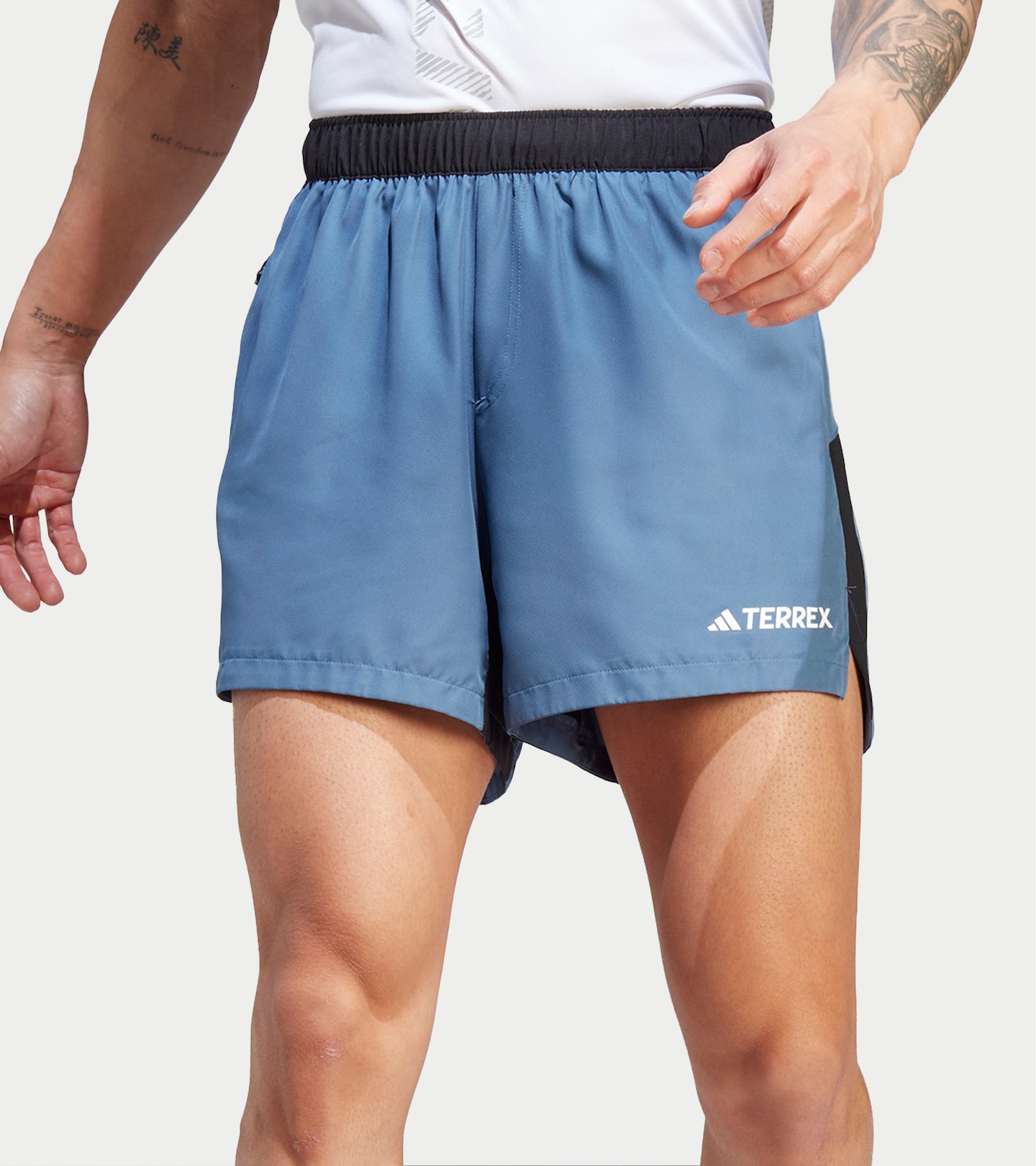
With an average of over 33,000 Google searches each month over the last year, running shorts are the most sought-after piece of kit for runners across the UK.
Following this, there are an average of 22,200 searches each month for running socks and trail running shoes. Unlike regular running trainers, which are made for flatter, more predictable paths, trail shoes are built to handle uneven ground such as gravel, woodland routes or muddy tracks, giving runners the extra grip and stability they need off-road.
Round off your running kit with key essentials such as a running vest (searched for on average 4,400 times each month in 2025) and a pair of running gloves, a must-have if you’re heading out for a winter run.
WHAT FASHION EXPERTS SAY
David Vassou, Design Manager at Jacamo comments,
“Fit is everything when it comes to activewear. If something doesn’t feel right, it doesn’t get worn, it stays in the drawer. For a long time, men’s activewear was designed for a fitness body type, which meant a lot of guys felt uncomfortable before they’d even started moving.
“When it is done properly with the right proportions, stretch, and room where it’s actually needed, it removes that awkward self-conscious feeling and allows men to get out of their head. Inclusivity isn’t just about offering bigger sizes, it’s about making sure every man feels comfortable enough to show up and get moving.”
When it comes to confidence and comfort, David shares practical ways men can feel more at ease when exercising.
“A lot of men don’t avoid exercise because they’re unmotivated, they avoid it because they don’t feel confident or comfortable. The right activewear can make a huge difference.
“When you’re not worrying about tops riding up, fabric clinging, or sweat showing, you stop thinking about how you look and start focusing on how you feel. Good activewear should support you, not distract you. When you’re comfortable, confidence follows, and that’s often the push someone needs to join a run club, hit the gym, or just move more.”
JACAMO RUN CLUB EDIT
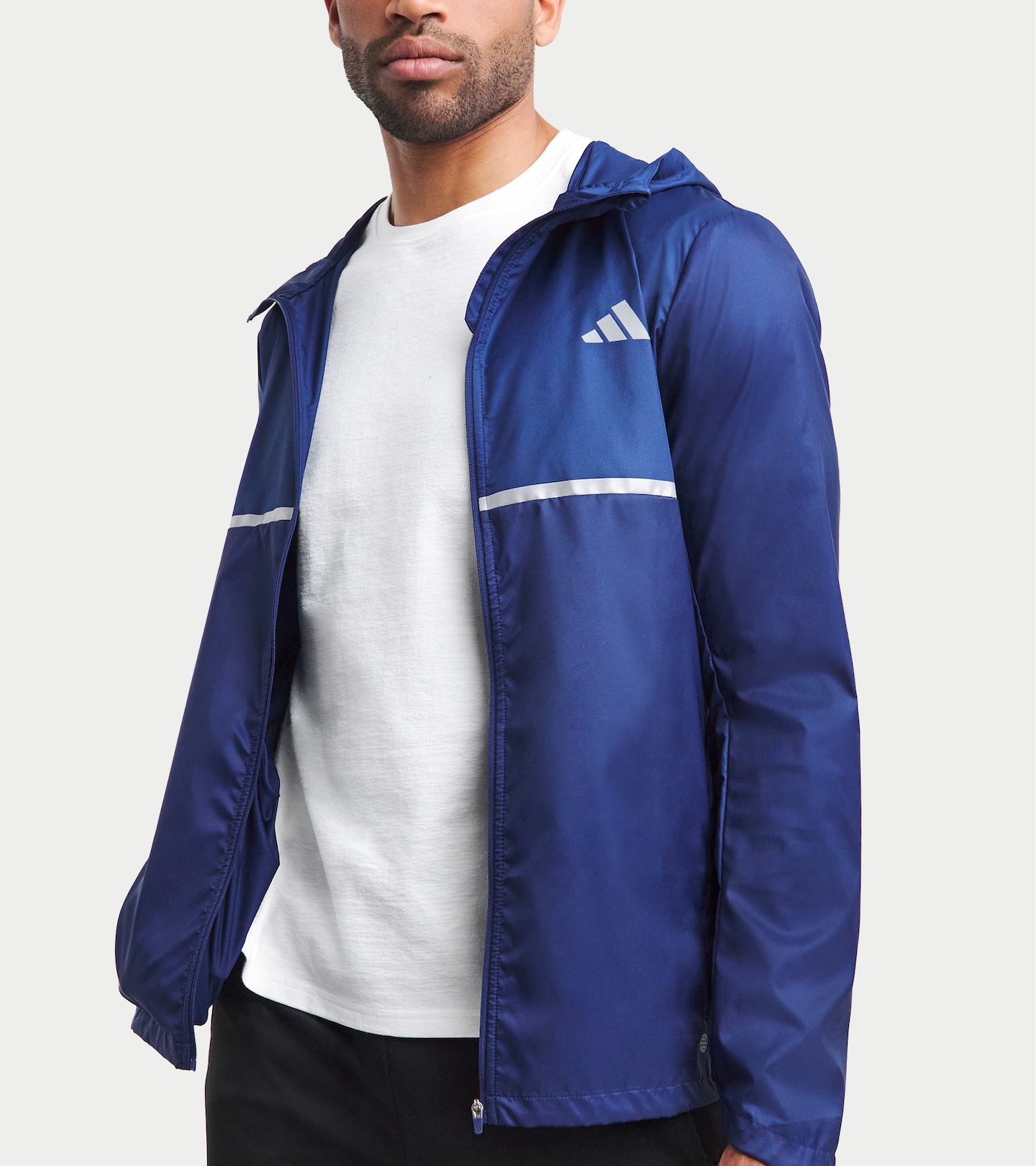
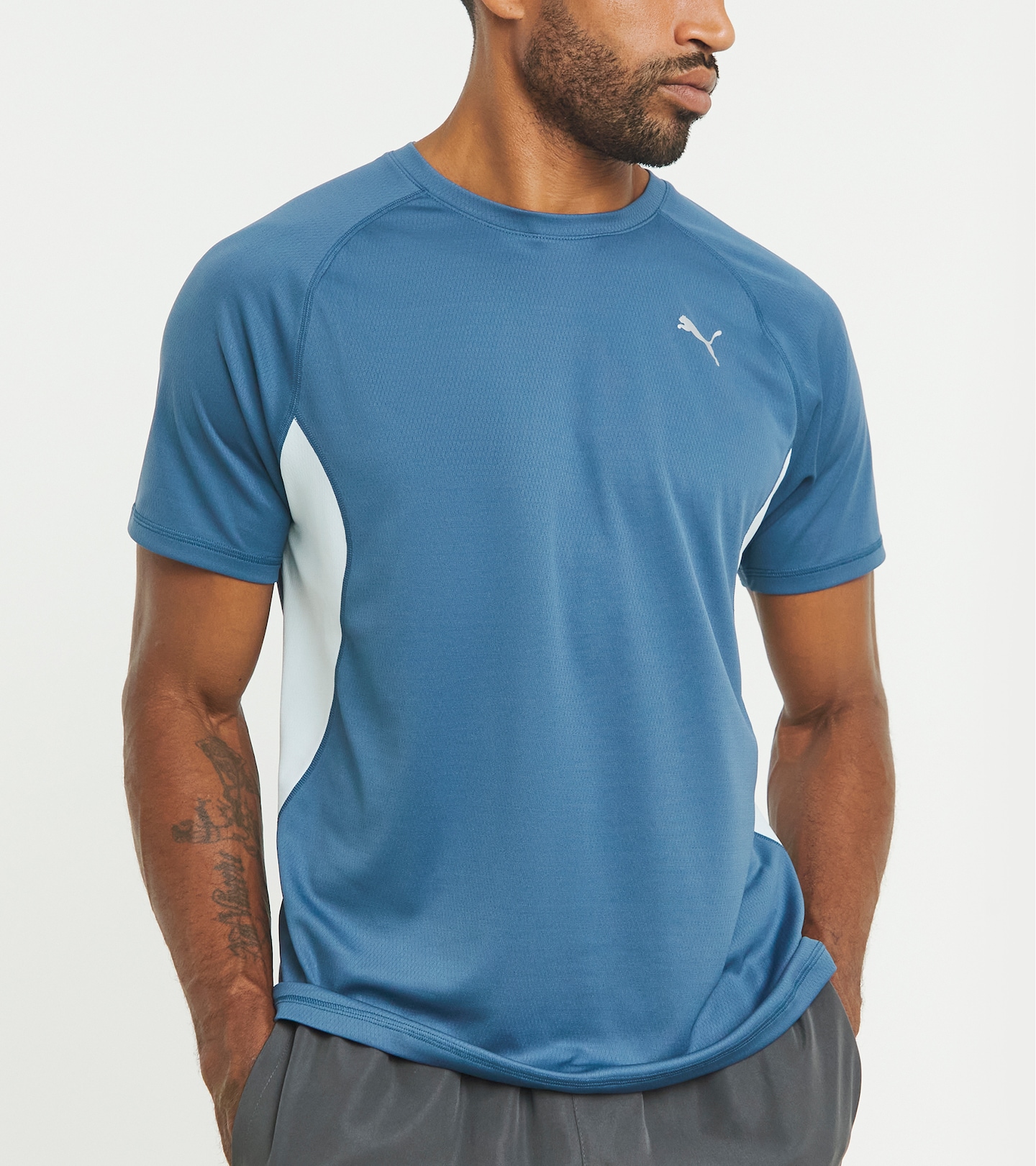
Whether you’re preparing for your first ever run, or you’re a seasoned marathon goer, check out our top running picks:
METHODOLOGY
To identify which UK counties are most popular for running clubs, we carried out an analysis of England Athletics data, comparing the number of registered run clubs in each UK county across 2024 and 2025. These figures were then adjusted on a per-capita basis, calculating the number of clubs per 100,000 residents using the population of each county to ensure a fair comparison.
Counties that are not officially recognised, or that are classed as historic or former counties, were excluded from the study to maintain accuracy and consistency. This includes:
-
Channel Islands
-
North Humberside
-
South Humberside
-
Middlesex
-
Humberside
-
Avon (Bristol, North Somerset, South Gloucestershire, and Bath and North East Somerset)
-
Cleveland
-
Isle Of Man
Sources:
[1] Strava Press, ‘Strava Releases 12th Annual Year in Sport Trend Report, Revealing That Doomscrolling Is Out, Movement Is In’, 2025
[2] Sportshoes.com, ‘Running Report 2025’, 2025
[3] Runners World, ‘12 incredible benefits of running’, 2025
[4] Men’s Health, ‘3 Men on How Running Helped Combat Their Loneliness’, 2024
[5] Active Cumbria, Running
Like what you’ve just read?
Follow Jacamo on Google to see more of our content in your results. No sign-up required—just great content directly in your feed, saving your inbox for the big updates. You can change your preferences with Google at any time.
 Follow us on Google