
;Crop=(0,0,4096,2732),gravity=North)
MEN’S WINTER TO SPRING OUTFITS: A TRANSITIONAL STYLE GUIDE
The shift from mid-winter to early spring is notoriously difficult to dress for. One minute you are dealing with a frosty morning commute, and the next you are sitting in a beer garden in surprisingly warm sunshine. This in-between period requires a wardrobe that is as flexible as the British weather.
The secret to mastering transitional style is not about buying a whole new wardrobe, but rather about clever layering and swapping heavy fabrics for lighter alternatives. This guide will help you navigate the changing seasons without catching a cold or overheating by lunchtime.
WHY TRANSITIONAL DRESSING IS A SKILL
In the depths of winter, the goal is simple: stay warm. In the height of summer, the goal is to stay cool. The weeks between February and April, however, require a balance of both.
Transitional dressing is about modular outfits. You need pieces that look just as good on their own as they do layered under a heavy coat. By focusing on breathable fabrics and versatile outerwear, you can adapt to fluctuating temperatures throughout the day.
KEY PIECES FOR THE WINTER TO SPRING TRANSITION
THE OVERSHIRT
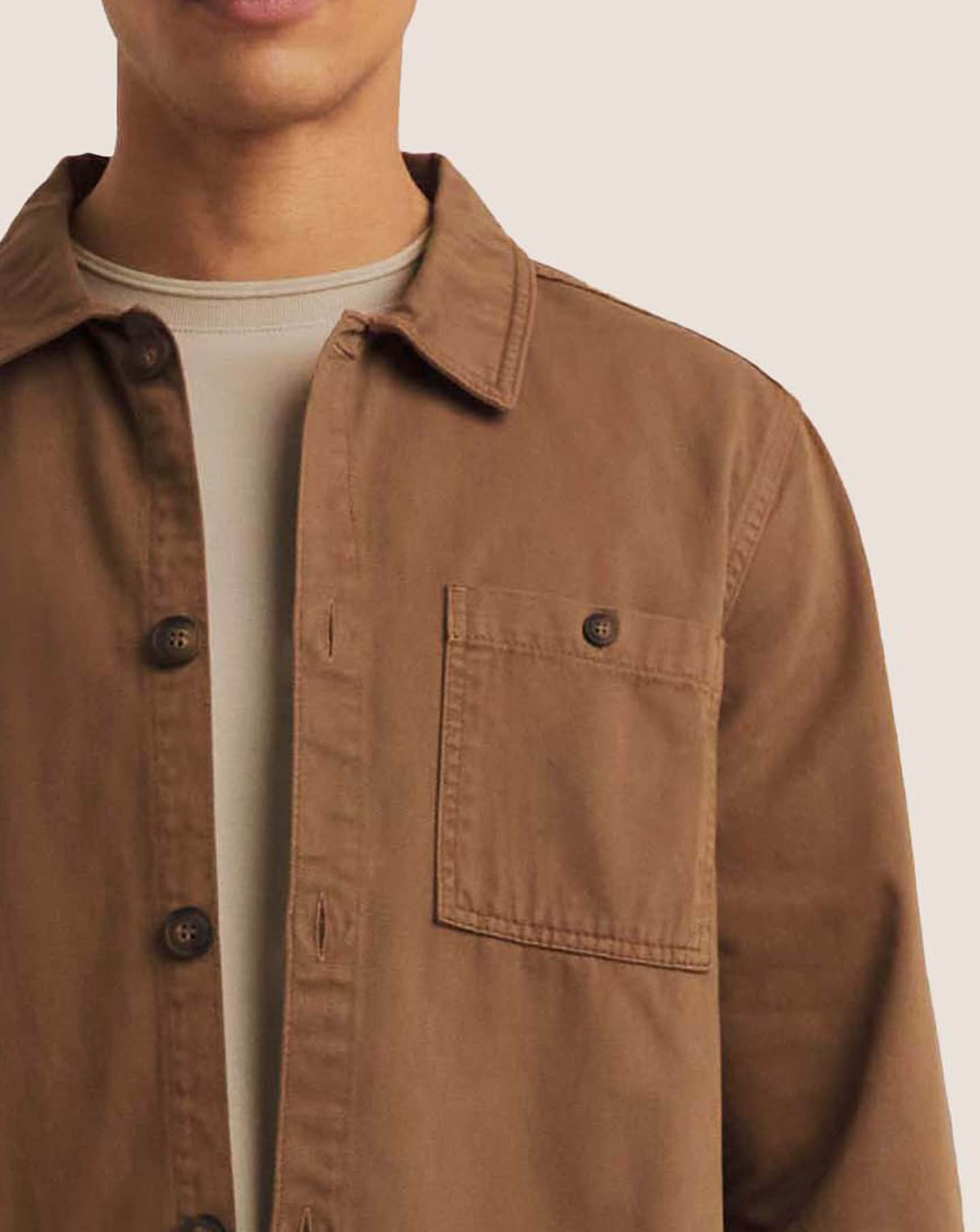
The ultimate hero piece. If you don't already own an overshirt, now is the time to invest. Heavier than a standard shirt but lighter than a jacket, it is the perfect mid-layer. You can wear it over a t-shirt on mild days or under a parka when the temperature drops.
FINE-GAUGE KNITWEAR
It is time to pack away the chunky, heavy-knit wool jumpers. Swap them for merino wool or cotton-blend knits. These provide warmth without the bulk, making them much easier to layer under a blazer or denim jacket.
LIGHT CHINOS & DENIM
Winter is dominated by black and navy. As the days get longer, start introducing lighter tones like stone, sand, or light grey. Swapping your dark indigo jeans for a pair of tan chinos instantly makes an outfit feel more spring-ready.
LIGHT WEIGHT COATS
Heavy wool overcoats can feel cumbersome once the sun starts peaking through. A water-resistant mac or a lightweight jacket offers protection from April showers while remaining breathable.
HOW TO LAYER FOR CHANGING TEMPERATURES
The most effective way to dress for the winter-to-spring transition is the three-layer rule. This system allows you to peel off layers as the day warms up, ensuring you stay comfortable regardless of the forecast.
SEASONAL STYLE COMPARISON: WINTER vs SPRING
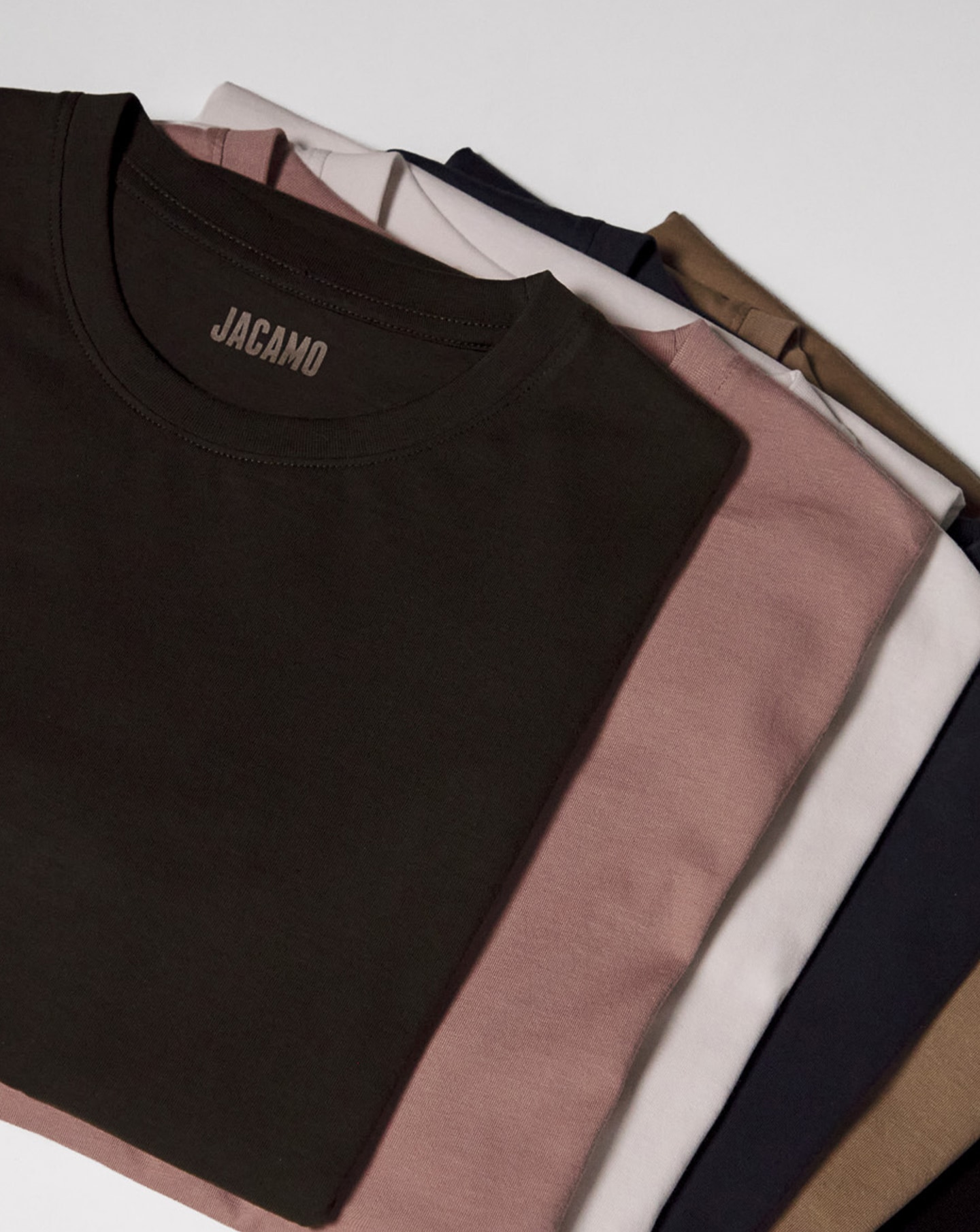
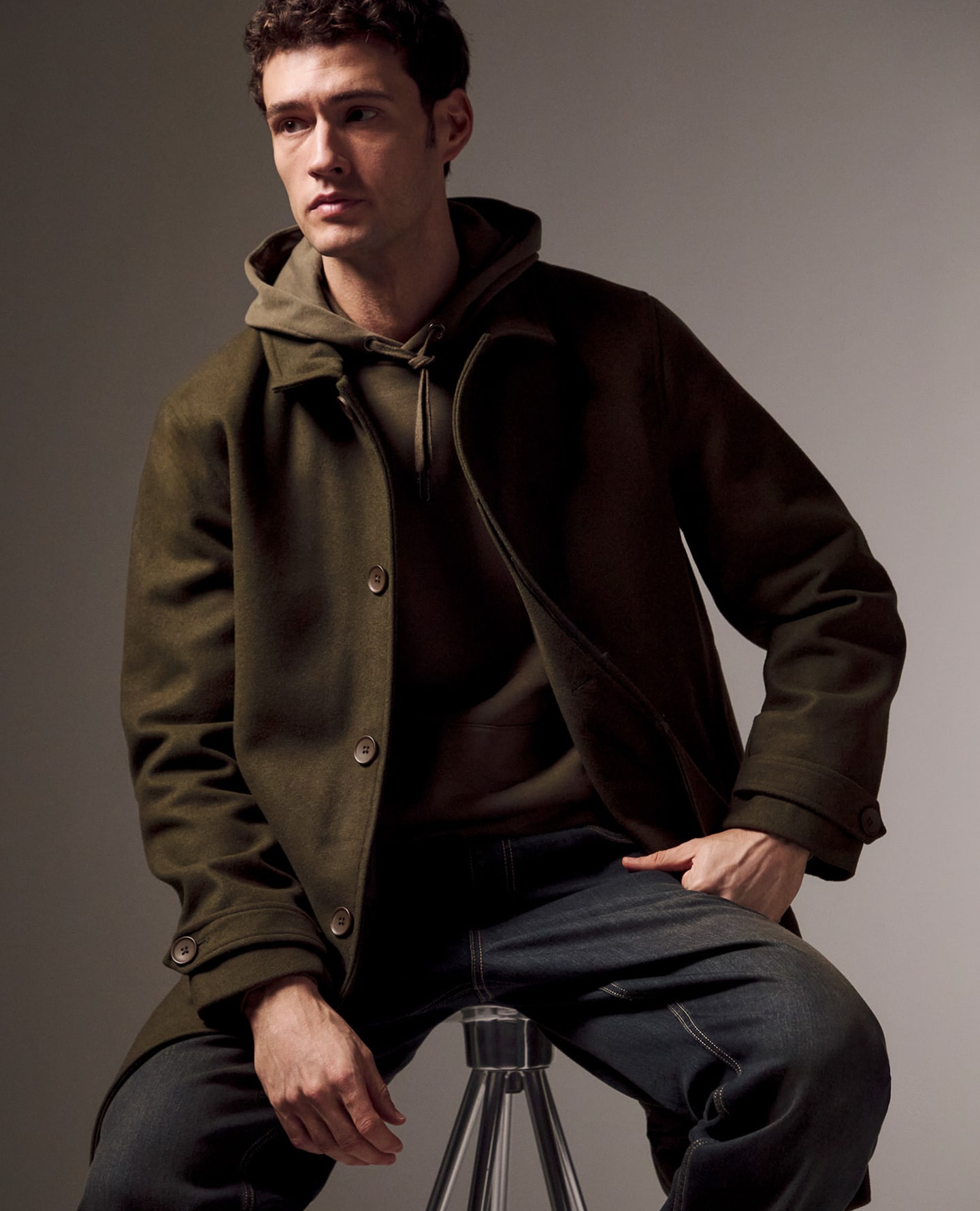
As winter gives way to spring, the most noticeable shift in style begins with fabric choice. Cold-weather staples such as heavy wool, corduroy and fleece are designed to retain warmth, but they can quickly feel stifling as temperatures rise. Lighter options like cotton and linen blends offer improved breathability while still providing enough structure for changeable conditions, making them ideal for the early days of the new season.
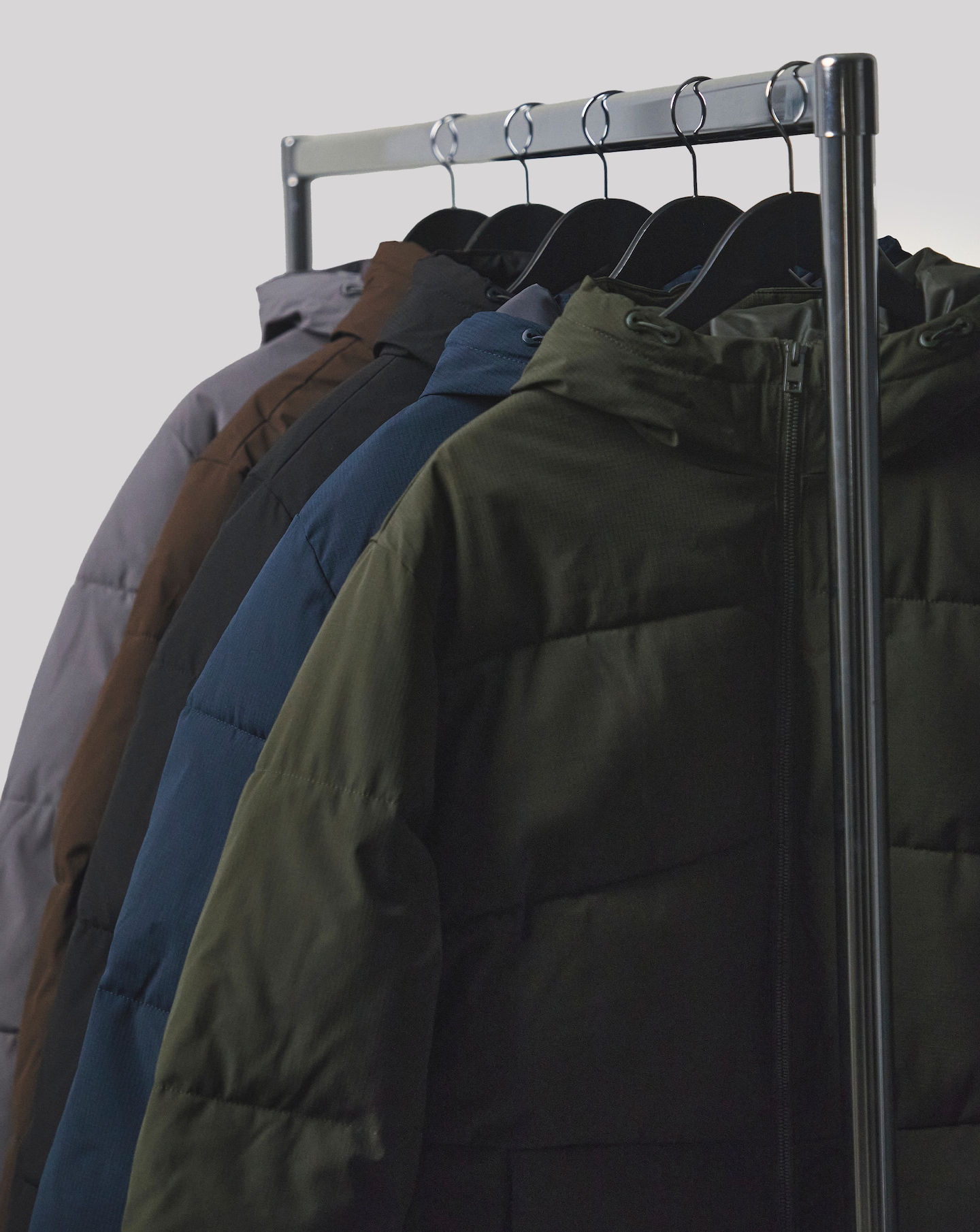
Outerwear also benefits from a seasonal rethink. Thick parkas and down jackets, while essential in deep winter, add unnecessary bulk once the worst of the cold has passed. Spring calls for streamlined layers such as a Harrington, denim jacket or classic bomber. These pieces are easier to wear, allow for movement and continue to protect against wind and rain without overwhelming an outfit.
Footwear follows a similar pattern. Heavy leather boots can feel visually and physically weighty as daylight increases. Switching to suede boots or clean trainers brings a lighter touch, complementing spring outfits while remaining practical for everyday wear.
Colour plays an important role in marking the transition. Dark shades like black, navy and forest green dominate winter wardrobes, mirroring the muted landscape. In spring, softer tones such as stone, sage and sky blue come into their own, working in harmony with brighter natural light and lending outfits a fresher, more optimistic feel.
THREE OUTFIT IDEAS FOR THE TRANSITIONAL PERIOD

THE SMART CASUAL WEEKEND
Pair a navy overshirt with a white t-shirt and stone-coloured chinos. Finish the look with brown suede desert boots. This look is perfect for a Saturday out; if it gets chilly, you can simply button up the overshirt.
THE COMMUTER LOOK
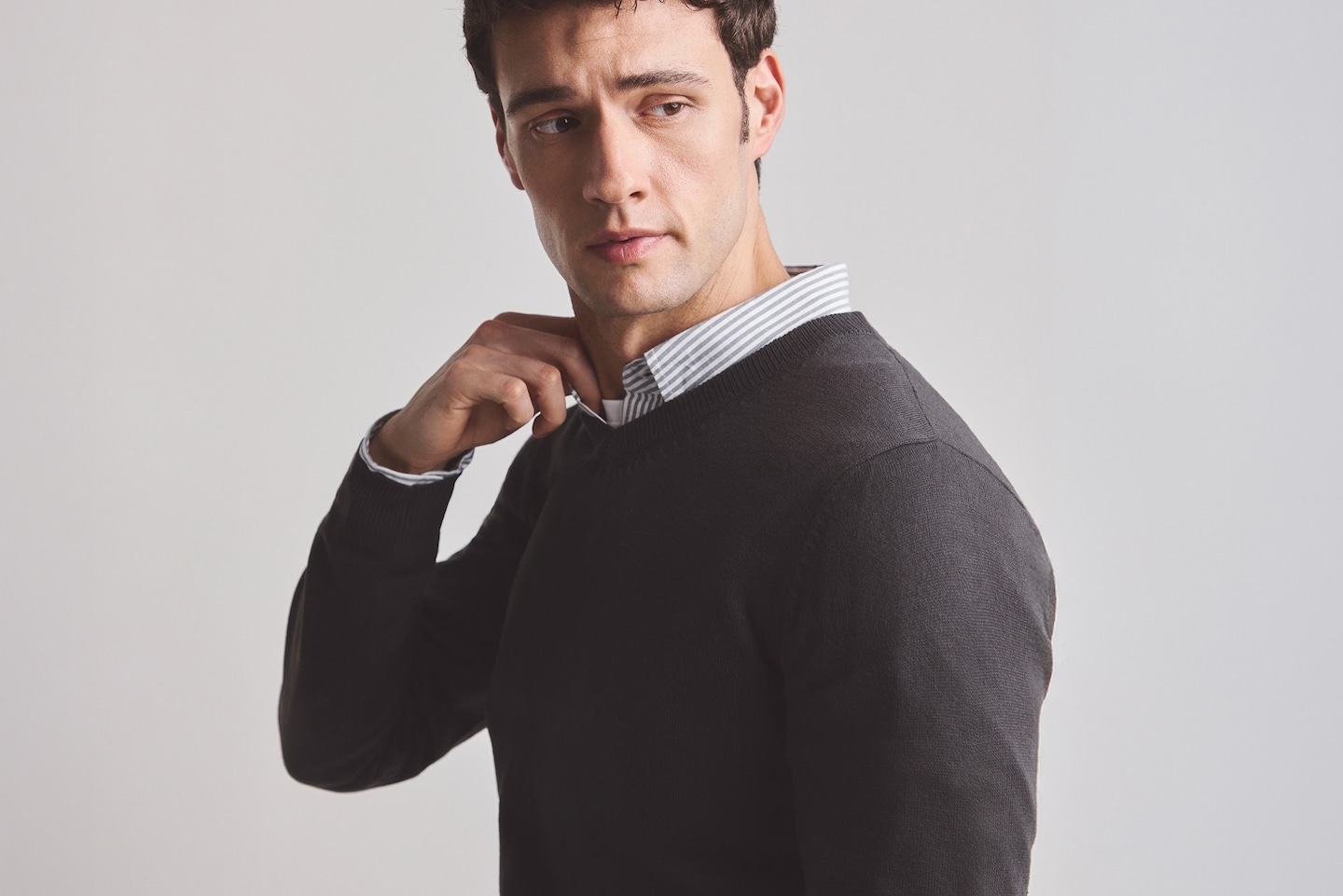
Wear a fine-gauge grey jumper over a button-down oxford shirt. Pair this with dark denim jeans and a lightweight navy mac. This outfit is professional enough for the office but practical enough for a drizzly walk to the station.
THE RELAXED AFTERNOON
Opt for a zip-up hoodie layered under a denim jacket. Combine this with black joggers or casual trousers and white leather trainers. It is an effortless look that provides plenty of warmth during a brisk spring breeze.
FOOTWEAR: MOVING AWAY FROM A HEAVY BOOT
While your sturdy winter boots have served you well, they can look a bit heavy with lighter spring fabrics.
Suede is your friend: Suede Chelsea or desert boots are the perfect transitional footwear. They feel softer and more relaxed than polished leather.
The Leather Trainer: A clean, white or navy leather trainer works with almost any transitional outfit, from chinos to jeans.
Weatherproofing: Remember to use a protector spray on your suede shoes, as spring is famous for unexpected puddles.
FINAL TIPS FOR SPRING STYLE SUCCESS
Don't be afraid to mix seasons. Wearing a spring-appropriate pastel polo shirt under a winter leather jacket is a great way to bridge the gap.
Keep an eye on the visual weight of your outfit. If your top half is light and bright, make sure your footwear isn't overly chunky or dark. Balance is key to making the transition look intentional rather than like you just couldn't decide what to wear.
MEN’S WINTER TO SPRING OUTFITS FAQS
Like what you’ve just read?
Follow Jacamo on Google to see more of our content in your results. No sign-up required—just great content directly in your feed, saving your inbox for the big updates. You can change your preferences with Google at any time.
 Follow us on Google