
;Crop=(0,0,4096,2732),gravity=North)
WHAT TO WEAR ON A HIKE: A MEN’S OUTDOOR STYLE GUIDE
Heading out into the great outdoors is one of the best ways to clear your head and stay active, but your choice of clothing can make or break the experience. Whether you are planning a gentle Sunday stroll through the woods or a more demanding trek across the hills, having the right gear is essential. This guide covers everything you need to know about hiking clothes for men, ensuring you stay comfortable, dry, and ready for whatever the British weather decides to do.
WHAT SHOULD YOU WEAR HIKING?
Why the Right Hiking Clothes Matter
When you are miles from the nearest shelter, your clothing is your primary protection. The right apparel for hiking is designed to manage moisture, regulate your body temperature, and provide a full range of movement. Unlike standard casual wear, dedicated walking clothes are built to endure the friction of backpacks and the snagging of branches. Choosing the correct outfit ensures that a bit of rain or a steep climb doesn't result in discomfort or dampness that could end your day early.
Key Features to Look for in Hiking Clothes
When browsing for the best men's outdoor clothing, look for specific functional features. Breathability is top of the list; you need fabrics that allow sweat to escape so you don't feel clammy. Flexibility is also vital, particularly in trousers, as you need to be able to step over obstacles without the fabric pulling. Finally, weather protection, such as wind proofing and water resistance, provides a necessary barrier against the elements, helping you maintain a steady core temperature.
ESSENTIAL HIKING CLOTHES FOR MEN
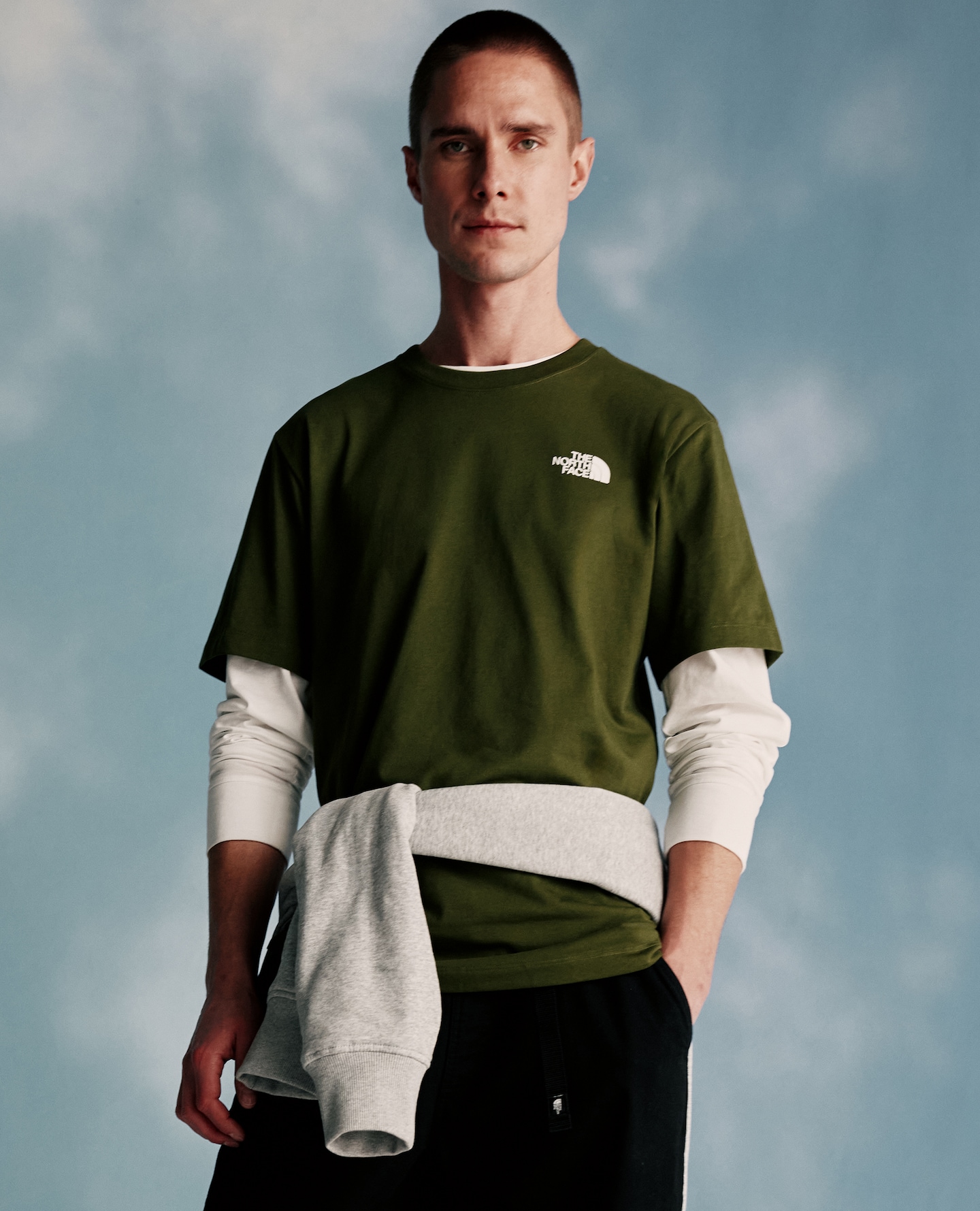
BREATHABLE TOPS & BASE LAYERS
The layer closest to your skin has the most important job. Lightweight T-shirts and moisture-wicking base layers are designed to pull sweat away from your body. In the world of hiking gear for men, synthetic fabrics or merino wool are preferred over cotton, as cotton holds onto moisture and can make you feel cold and heavy. These breathable tops help regulate your temperature during high-effort sections of your walk.
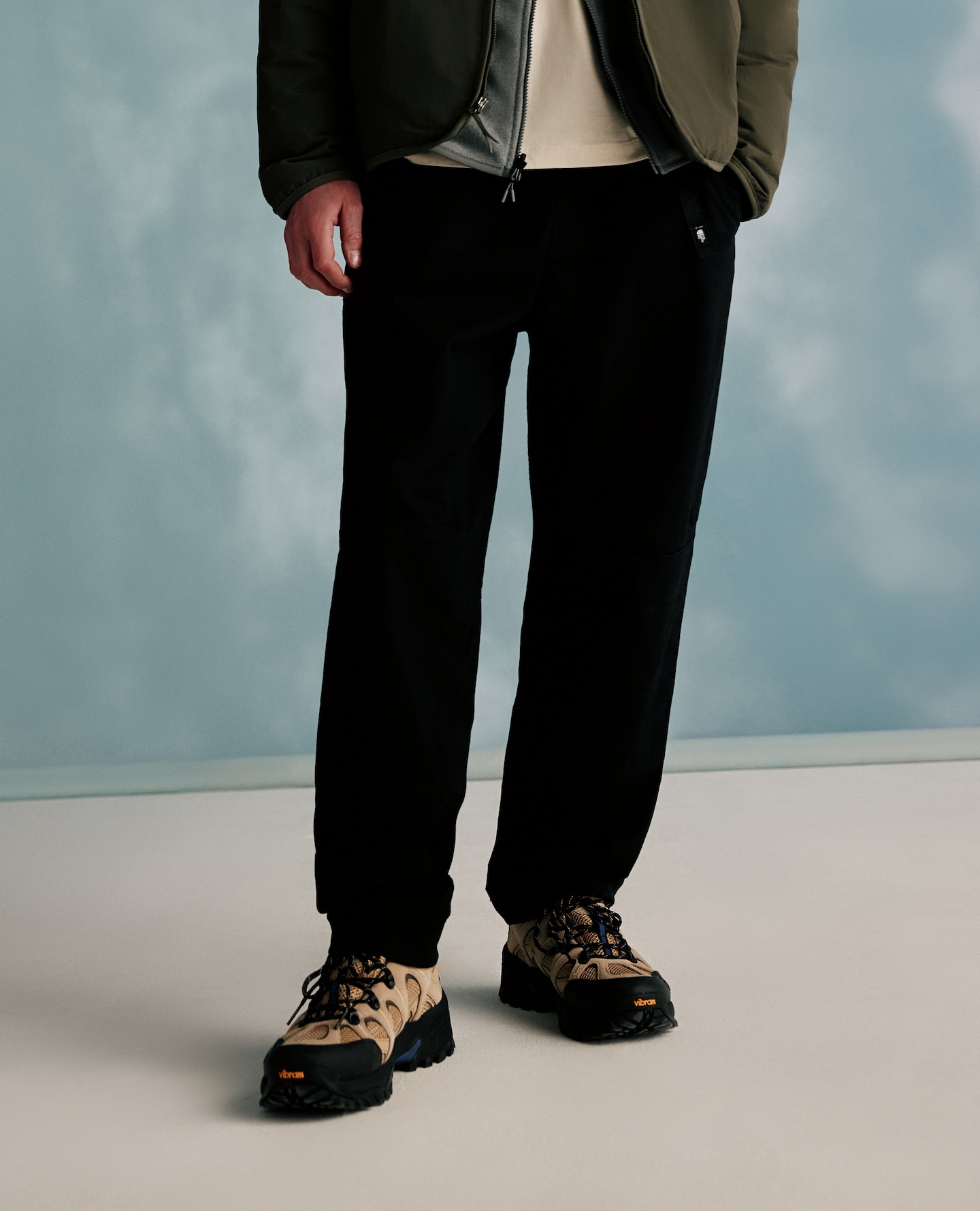
HIKING TROUSERS & WALKING PANTS
While it might be tempting to wear joggers, dedicated outdoor trousers are a much better investment. These are typically made from quick-drying, abrasion-resistant materials. Many styles include articulated knees for better movement and reinforced hems to prevent fraying. They offer the perfect balance of protection from nettles and rocks while remaining light enough to keep you moving quickly.
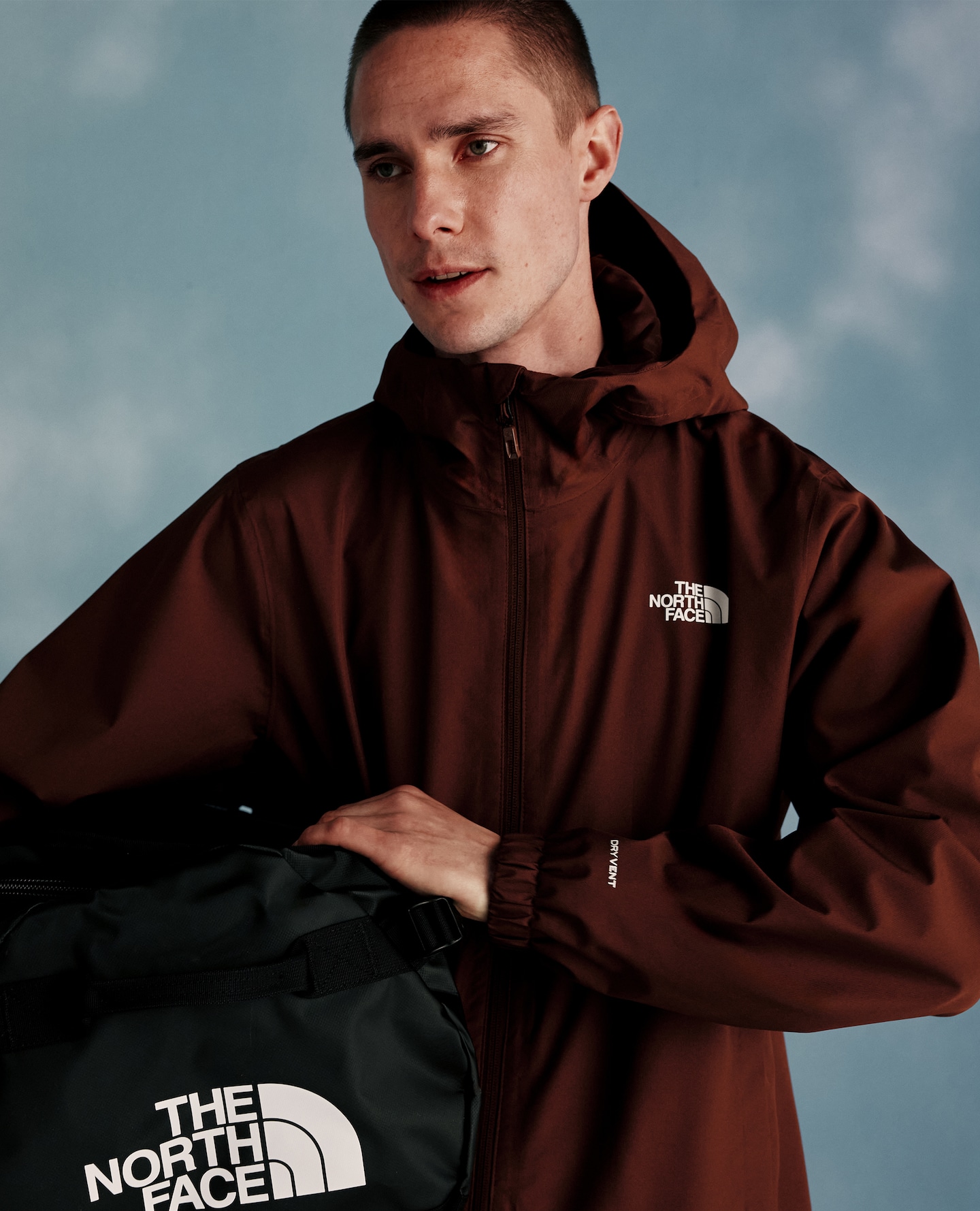
LIGHTWEIGHT JACKETS & OUTER LAYERS
A reliable outer layer is your shield against the wind and rain. Technical jackets should be packable enough to fit in your bag when the sun comes out but robust enough to keep you dry during a downpour. Look for jackets with adjustable cuffs and hoods to seal out the elements. Brands like Columbia Sportswear offer excellent options that combine performance with a clean, modern look.
HIKING OUTFITS FOR DIFFERENT CONDITIONS
Summer Hiking Outfits
For a summer hiking outfit, the goal is to stay cool and protected from the sun. Opt for shorts made from technical fabrics and a light-coloured, moisture-wicking T-shirt. Sun protection is often overlooked when hillwalking, so consider a breathable cap and lightweight socks that won't cause your feet to overheat in the midday sun.
Layered Outfits for Cooler Weather
As the temperature drops, the "three-layer" system becomes your best friend. Start with a moisture-wicking base, add a fleece or insulated mid-layer to trap heat, and finish with a waterproof shell. This setup allows you to add or remove items as your exertion levels change, ensuring you never get too hot while climbing or too cold while resting.
Outfits for Longer Walks or Trekking Trips
If you are wondering what to wear for trekking over multiple days, durability and weight are the main concerns. You need a men's hiking outfit that can withstand repetitive wear. Focus on high-quality walking pants and several changes of base layers. Comfortable, well-broken-in footwear is non-negotiable for longer trips to prevent blisters and fatigue.
WHAT SHOES TO WEAR HIKING
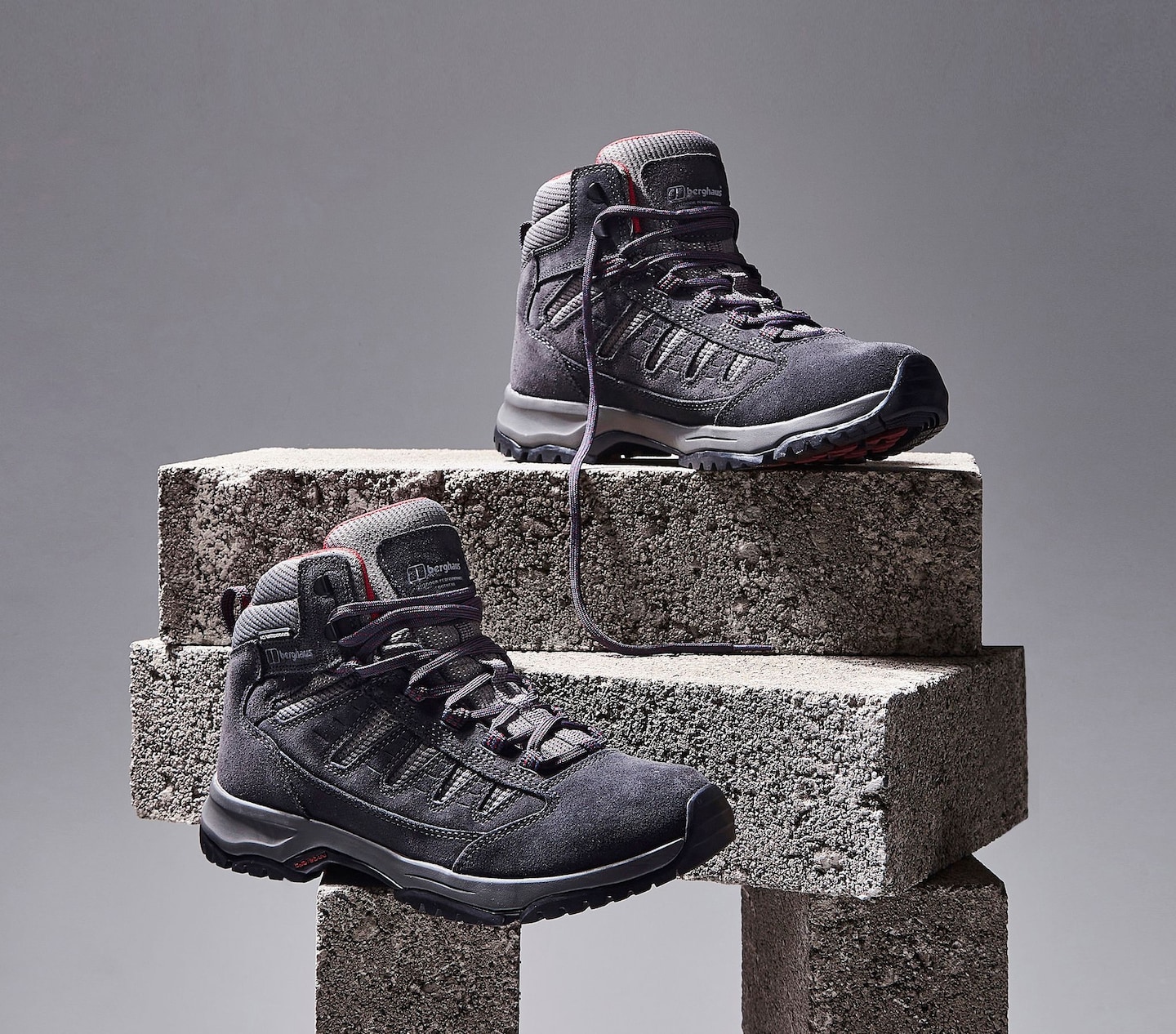
HIKING BOOTS FOR SUPPORT & GRIP
For most trails, walking boots are the gold standard. They provide essential ankle support, which is vital on uneven or rocky ground where a twist could easily occur. The deep lugs on the soles offer the grip needed for muddy slopes or slippery stones, giving you the confidence to tackle more challenging terrain.
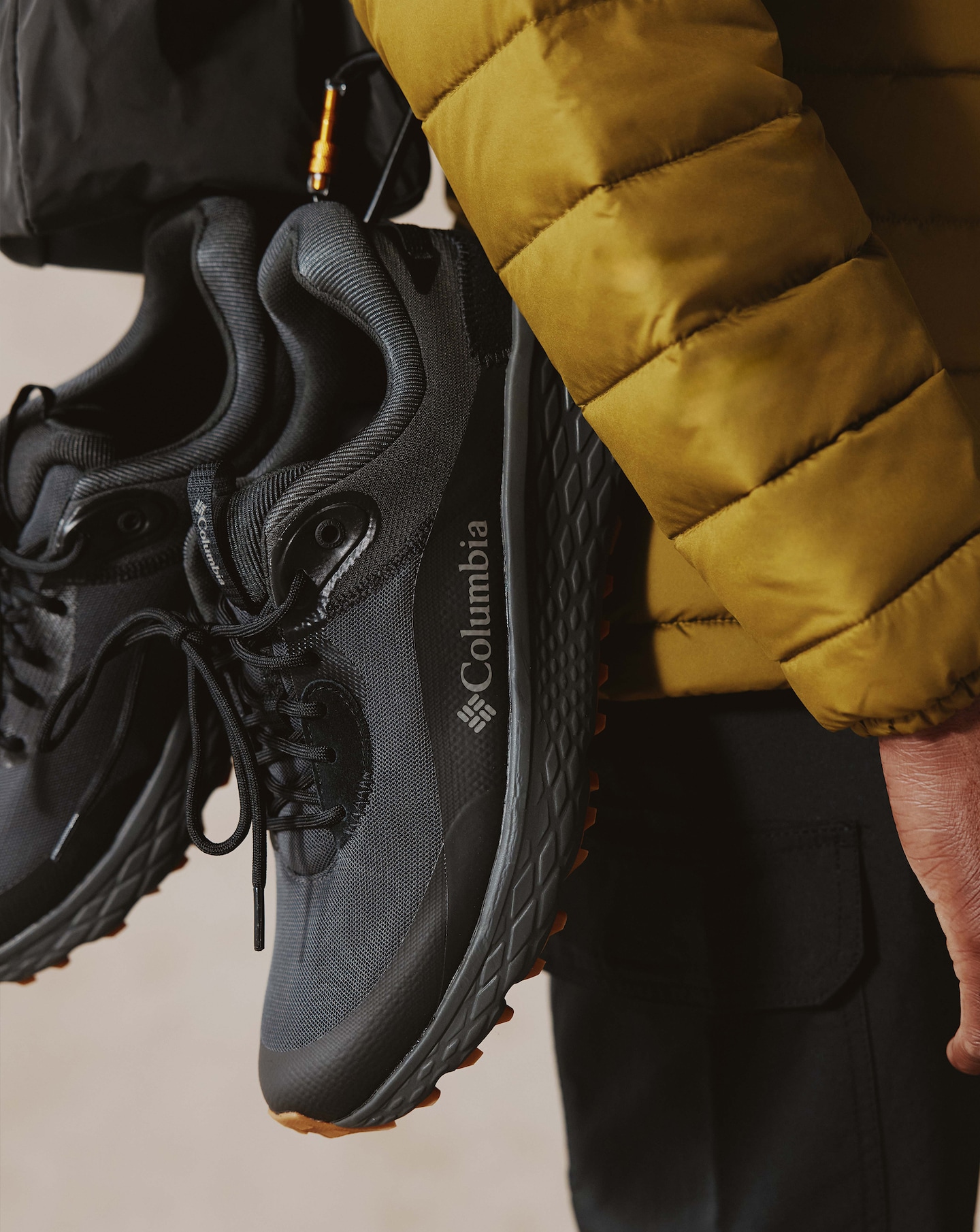
TRAINERS FOR CASUAL WALKS
For flatter, well-maintained paths or shorter distances, activewear trainers can be a suitable choice. However, they should still offer a decent amount of cushioning and a slip-resistant sole. While they are great for a park stroll, they lack the protection and waterproofing required for more serious hillwalking.
HIKING CLOTHING TIPS
Dress in Layers: This is the golden rule of the outdoors. It is far better to have three thin layers than one heavy one. This flexibility lets you adapt to the micro-climates you often find when ascending a hill.
Choose Breathable Fabrics: Look for "wicking" on the label. Keeping dry is the easiest way to stay comfortable and prevent chafing during long miles on the trail.
Avoid Heavy or Restrictive Clothing: Denim and heavy hoodies might feel fine at the start, but they become incredibly heavy when wet and take ages to dry. Stick to lightweight, purpose-built gear that allows for a natural stride.
FAQS ABOUT HIKING CLOTHES
Like what you’ve just read?
Follow Jacamo on Google to see more of our content in your results. No sign-up required—just great content directly in your feed, saving your inbox for the big updates. You can change your preferences with Google at any time.
 Follow us on Google