

WHAT TO WEAR TO A WEDDING: A DRESS CODE GUIDE
MEN’S WEDDING GUEST OUTFITS
A wedding invitation lands and, along with the excitement, comes the familiar question: what does the dress code actually mean, and will you get it right? It's one of the most common sources of anxiety for wedding guests, which is understandable when terms like formal or cocktail attire can mean different things and often come with little explanation. The good news is that once you break it down, working out what to wear comes down to just a few factors: the dress code itself, the season, the venue, and your role as a guest rather than a member of the wedding party. Get those right and the rest of the outfit falls into place.
UNDERSTANDING WEDDING DRESS CODES
Most wedding outfit confusion comes down to guests not knowing what a specific dress code term is actually asking for, rather than not owning the right clothes. Here's what each of the main UK wedding dress codes really means.
Black Tie
Black tie is the most formal end of the scale and the one with the least room for interpretation. A black tuxedo, a white dress shirt, a black bow tie and black formal shoes are non-negotiable, and while a black three-piece suit with a black tie can work as a near enough substitute if you don't own a tuxedo, it's not a true swap so only lean on it if the invitation gives any flexibility. Where you can add some personality is in the smaller details: a pocket square, cufflinks or a slightly different tie texture, without straying from the black-and-white foundation. Browse Jacamo's suits and waistcoats range if you need a starting point.
Formal
This is by far the most common UK wedding dress code, and it simply means a suit and tie, no tuxedo required. Navy, grey and mid-tone neutrals are the safest colours, since they work across most venues and times of day, and a well-fitted two-piece suit covers the majority of formal or lounge suit invitations without any need to overthink it. Jacamo's two-piece suits are worth a browse for this type of dress code.
Semi-Formal
Cocktail or semi-formal invitations relax the rules slightly. A suit is still expected, but the tie becomes optional and there's more room to bring in pattern, texture or a bolder colour than you'd wear to a strictly formal event. This is also where a smart suit jacket paired with coordinating trousers (rather than a matching two-piece) can work nicely.
Casual / No Dress Code
When an invitation says casual, or doesn't mention a dress code at all, a full suit usually isn't necessary. Chinos and a blazer, worn with a shirt, hit the right level of smart without looking overdressed for a relaxed celebration. What you should still avoid, even at the most casual wedding: jeans, t-shirts, and anything that reads as everyday clothing rather than an outfit chosen for the occasion. Jacamo's blazers and chinos are a solid combination to build this look around.
DRESSING FOR THE SEASON AND VENUE
The dress code sets the baseline, but season and venue should shape the fabric and colour choices you make within it. Wearing a heavy wool suit to an outdoor summer ceremony, or a thin linen jacket to a winter evening reception, technically ticks the dress code box but misses the practical side of dressing smart.
SPRING & SUMMER WEDDINGS
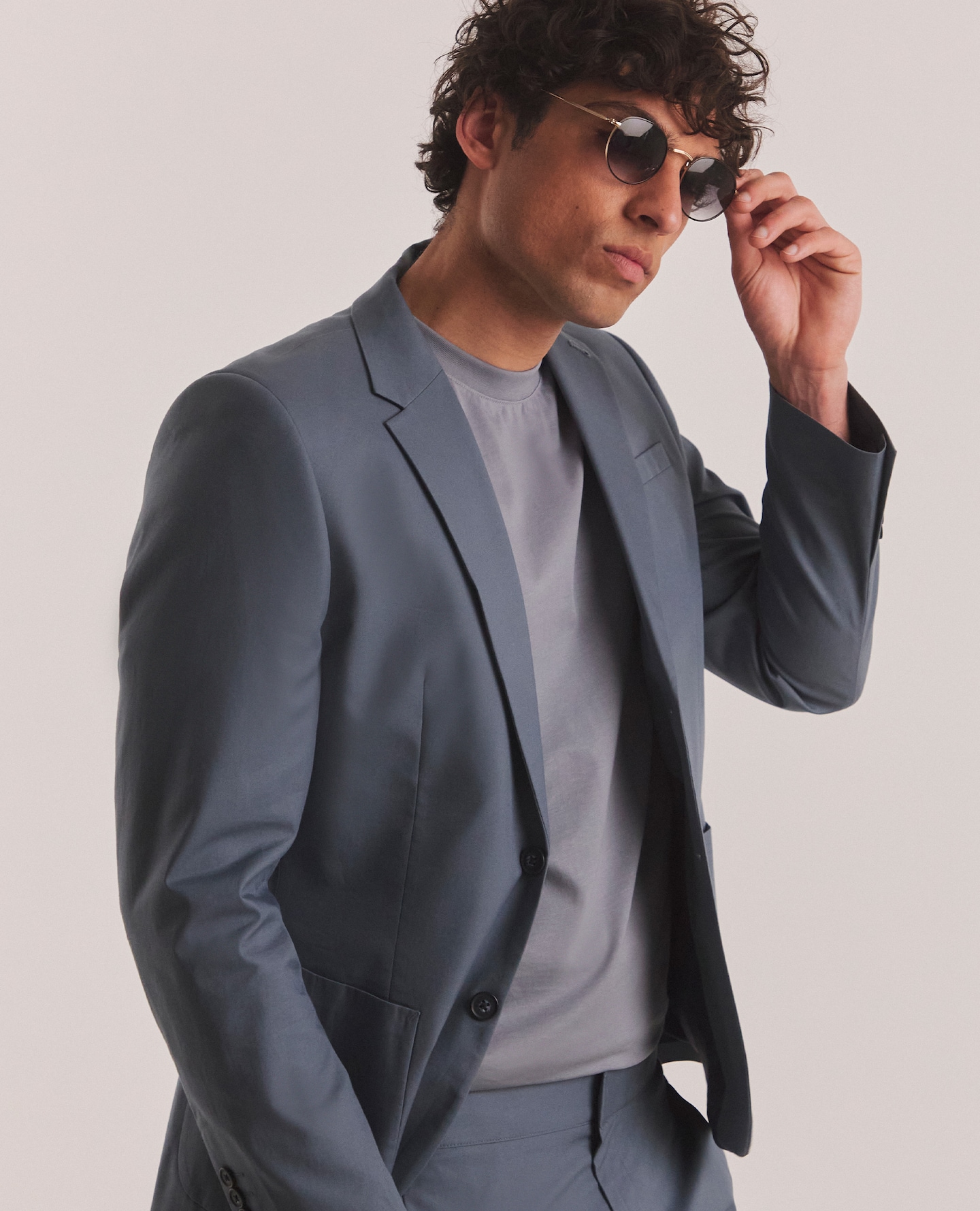
Lighter fabrics like linen and cotton breathe better and hold up much better through a long day outdoors compared to a heavier wool. Lighter colours, tans, soft blues and pale greys also suit daytime and outdoor ceremonies better than darker tones, which can look and feel out of place under midday sun. A breathable shirt underneath makes more difference to comfort than people expect, particularly if there's standing around involved before the ceremony starts.

AUTUMN & WINTER WEDDINGS
Heavier fabrics, wool and tweed in particular, suit the season and the setting better once the weather turns. Richer colours like burgundy, forest green or charcoal work well here too, and this is where a waistcoat earns its place, both for warmth and for adding a layer of formality that a two-piece suit doesn't have on its own. Jacamo's three-piece suits are built with this kind of layering in mind. An overcoat is perhaps worth considering too if the venue involves time outside between the ceremony and reception.
BEACH & DESTINATION WEDDINGS
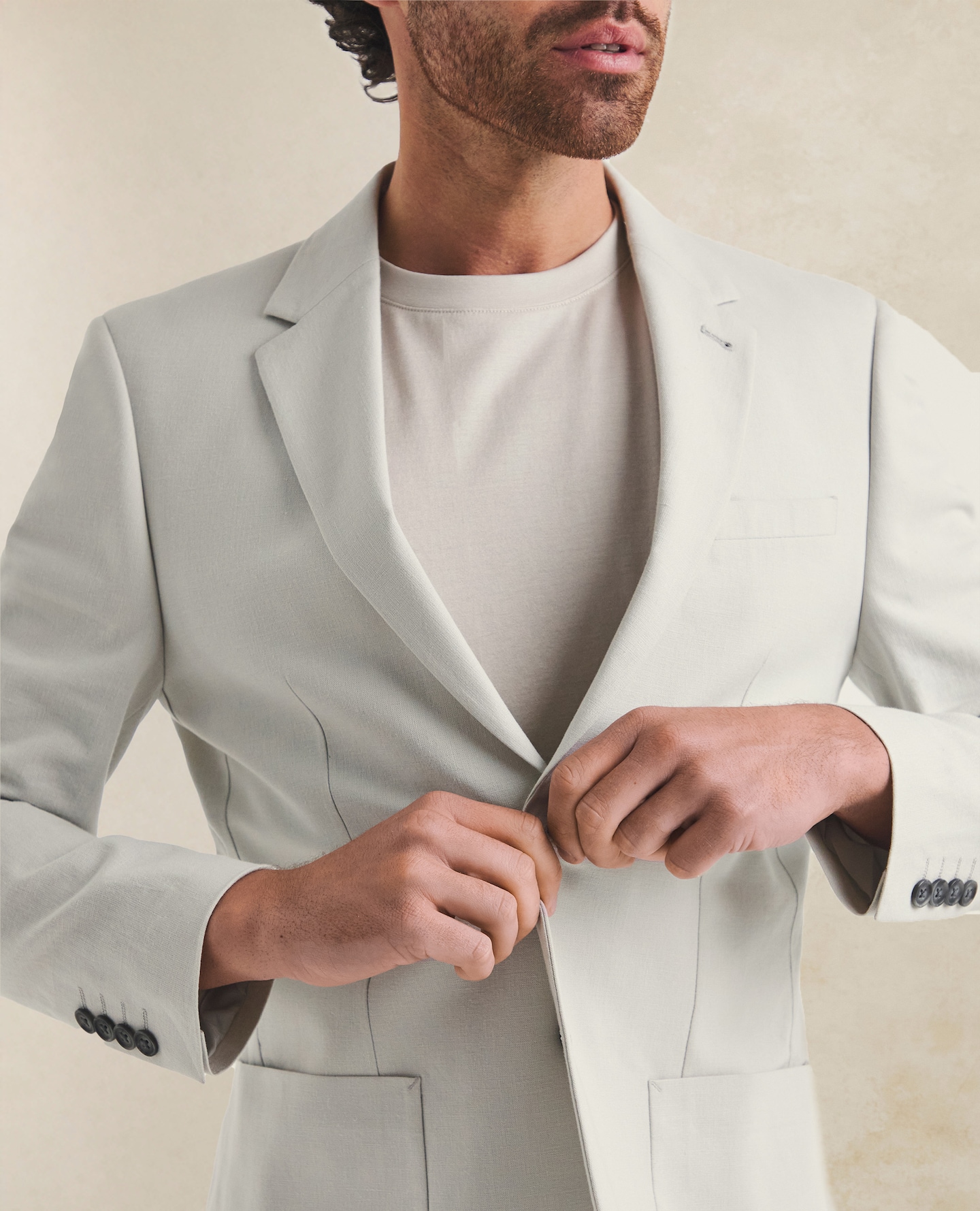
Linen suits are the go-to here, as they handle heat and humidity far better than a standard wool suit. If you don’t already have one, Jacamo's linen collection is a good place to start. Loafers without socks work well in this setting, and you can be a little more relaxed with your footwear than you would be at a formal city wedding. That said, shorts are still worth avoiding unless the invitation explicitly says otherwise, since beach refers to the setting rather than a licence to dress as if you're on holiday.
WHAT TO AVOID AS A WEDDING GUEST
Alongside getting the dress code right, there are a handful of etiquette points that trip guests up more often than the dress code itself.
Wearing White Or Cream
White and cream are reserved for the bride, and this rule holds even if your suit is otherwise formal enough for the occasion. It's one of the few genuinely firm rules in wedding guest dressing, so it's worth avoiding even a very pale cream that might read as off-white in photos.
Outdressing The Groom
As a guest, the idea is to look sharp without taking attention away from the wedding party, especially the groom. This is particularly important at black tie events, where wearing something more elaborate than the groom can risk pulling focus. If you're ever unsure how formal the wedding party is dressing, it's generally safe to match their level rather than exceed it.
Underdressing
The general rule of thumb is that it's better to be slightly overdressed than underdressed at a wedding. If an invitation is ambiguous, or you're torn between two options, lean towards the smarter choice. Guests rarely get criticised for making too much effort, but turning up underdressed is far more noticeable and harder to fix once you're there.
Casual Footwear At Formal Events
Trainers (even smart ones) don't suit formal or black tie dress codes, and worn or scuffed formal shoes let down an otherwise great outfit more than most guests realise. Footwear is one of the easiest details to overlook when you're focused on the suit itself, but it's usually the first thing that gives away an outfit that hasn't been fully thought through.
FINISHING TOUCHES
The right accessories round off a wedding outfit without needing to say too much on their own.
Ties, Pocket Squares & Cufflinks
These small details are where you can add some personality within the boundaries of the dress code, whether that's a subtly patterned tie, a pocket square in a complementary colour, or a set of cufflinks that suit the season. The key is restraint: pick one or two standout details rather than layering several bold choices at once, since together they can start to look busy rather than considered.
Matching Belts & Shoes
The simplest rule here is to keep your belt and shoes in the same leather colour and finish, black with black, brown with brown, since mismatched leathers are one of the more noticeable small details in an otherwise sharp outfit. It's a minor point, but it's the kind of detail that separates an outfit that looks finished from one that looks almost right.
Getting a wedding outfit right is mostly about understanding the dress code, then choosing something that works for the season and venue. Once you've got those basics covered, the rest is down to a few simple finishing touches. Take a look through Jacamo's suits, shirts and formalwear range to find your next wedding guest outfit, in sizes built to fit properly rather than needing alterations before the big day.