
;Crop=(0,0,4096,2732),gravity=North)
LAYERING CLOTHES MADE SIMPLE: COMPLETE GUIDE FOR MEN
Knowing how to layer your clothes is your secret style weapon. It means you can do your thing and basically forget about your outfit, whether you’re tackling the morning commute, enjoying date night or heading to a gig with mates.
If you get your layers right, you’ll feel good, look good and be ready for whatever the day throws at you. But get your layers wrong, and you could spend the whole time feeling too hot or cold, or tugging at bunched-up sleeves.
If you want to look slick and well put-together, keep reading. We’ve gathered all the info you need to make layering effortless every time.
WHY IT’S IMPORTANT TO UNDERSTAND LAYERING
Before we look at how to layer, it’s useful to remember why we layer so you can plan your outfits more carefully. So let’s go back to basics for a second.
The key thing to keep in mind is that layering is all about practicality.
● Temperature control: Feel too cold? Add a layer. Too hot? Take it back off. Simple.
● Keeping up with your activity: You won’t need your jumper while you’re running for the bus, but it’ll come in handy when you’re sat under blasting aircon at the office.
● Beat the elements: Layers will protect you against the wind and rain, and even the hot sun and UV rays.
But form also follows function, and you can layer clothing for fashion and style reasons too - layering lets you add textures, colours, depth and interest to your outfit.
LAYERING ESSENTIALS
To understand layering, we first need to know the main layers that we’ll be dealing with on the daily.
-
Base layers: As the name suggests, this is the one that sits closest to your body. The main men’s base layer clothing you’ll find in your wardrobe are t-shirts, long-sleeved tees, polo shirts and any kind of buttoned shirt.
-
Mid layers: These sit on top of your base layer and help to provide some insulation. Your mid layers include sweatshirts, hoodies, jumpers and cardigans, plus styles like gilets and thicker overshirts for wearing over a t-shirt.
-
Outer layers: Made to protect you from the cold, wind and rain - and sometimes the sun - outer layers include all kinds of coats and jackets.
-
The extras: In winter, many men wear a vest under their shirt, and for smarter occasions, waistcoats will add style and warmth between your shirt and suit jacket. For extreme cold or winter sports, consider layering an outer shell on top of your jacket.
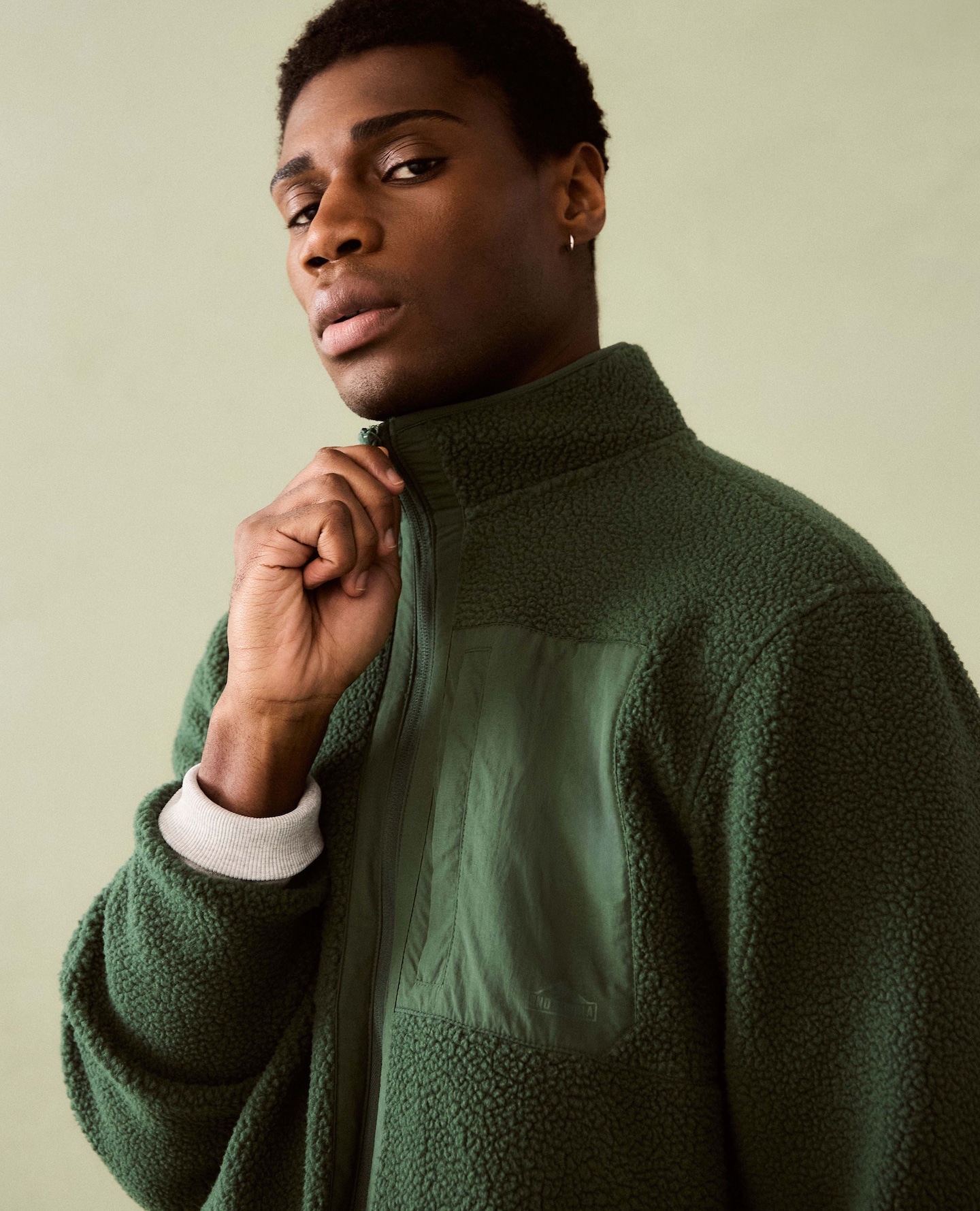
SIGNS THAT LAYERING IS GOING WRONG
There are a few telltale signs your layering game isn’t at its peak.
● You look puffed up, bulky and top-heavy
● You can’t move your arms comfortably
● Your lower layers are getting tangled or twisted against the fabric of the layer above
● Your outer layers are hard to pull on or off
● You feel uncomfortably hot
● You’re wearing three layers, but still feel cold
But some quick fixes can change all that…
HOW TO LAYER CLOTHING: THE STYLE ‘RULES’
Just because layering is about practicality doesn’t mean that it can’t look good. A few simple style ‘rules’ will instantly take your outfit from puffy to put-together.
Go from thin to thick
Men’s base layer clothing should be the thinnest piece that you’re wearing, and it should sit closest to your skin. Mid layers can be a bit thicker, and your outer layer should be the most padded.
Layers should be able to move over each other
You want your layers to be able to ‘slide’ over each other without too much friction or tugging. This doesn’t mean things should be ultra loose, but if an outer layer is too tight on the layer below, it will twist, pull and bunch up.
Each layer should work on its own
Whether you add or remove a layer, your outfit should still work. If you’re going to a smart restaurant, you might wear your best coat and jumper to keep warm on the way there, but you need to make sure your top is smart enough for when you peel the layers off.
No more than three layers should be visible
Too many layers can look messy, so don’t let your vest show through your office shirt, for example.
Go shorter to longer
Generally, layering works by going shorter to longer - a t-shirt, then a jumper with a slightly longer hemline, then a coat that’s the longest. But this is a ‘rule’ that was definitely made to be broken.
HOW TO STYLE AS YOU’RE LAYERING CLOTHES
Layering lets you play with a range of shades in one outfit, but there’s a fine line between clashing and looking clean-cut. That’s where colour analysis and careful styling come in.
Colours when layering clothing
Layering lets you play with a range of shades in one outfit, but there’s a fine line between clashing and looking clean-cut. That’s where colour analysis and careful styling come in.
-
Go tonal: Wear a different shade of the same colour for each layer. For example, try styling a white and blue striped t-shirt, a mid-blue cardigan, and a navy bomber jacket.
-
Build on a neutral base layer: Pick a base layer in white, black or grey, then you can add more vibrant colours in your mid or outer layer without it looking too jazzy.
-
One bold layer: If you want to wear a bright or multi-coloured top, keep the other two layers more neutral to stop your outfit from looking too busy.
-
Opposites attract: Use a colour wheel to choose contrasting tones for each layer - just pick colours from opposite sides of the wheel. For example, style a forest green rain jacket over a burgundy jumper and a shirt with a white collar. Just avoid really bright or vibrant contrasts to prevent clashing.
Mix up your textures
If all your layers are of the same fabric, it can look a bit samey - unless you’re in sportswear. Instead, try to mix up the textures in your outfit.
For example, style a cotton t-shirt with a flannel shirt and a leather jacket. Or wear a linen shirt under a chunky jumper and a long cashmere coat.
Keep patterns to a minimum
If you have several layers with strong patterns, things can start looking too busy. Wearing a herringbone tweed coat with a striped jumper and a checked flannel shirt would be too much, for example.
If you want to wear a strong pattern, keep it on one statement piece - let the other layers stay simple.
LAYERING CLOTHES FOR DIFFERENT SEASONS
As seasons change, so will your layering tactics. While spring and autumn styling tends to be quite similar, summer and winter layering are a whole different ball game.
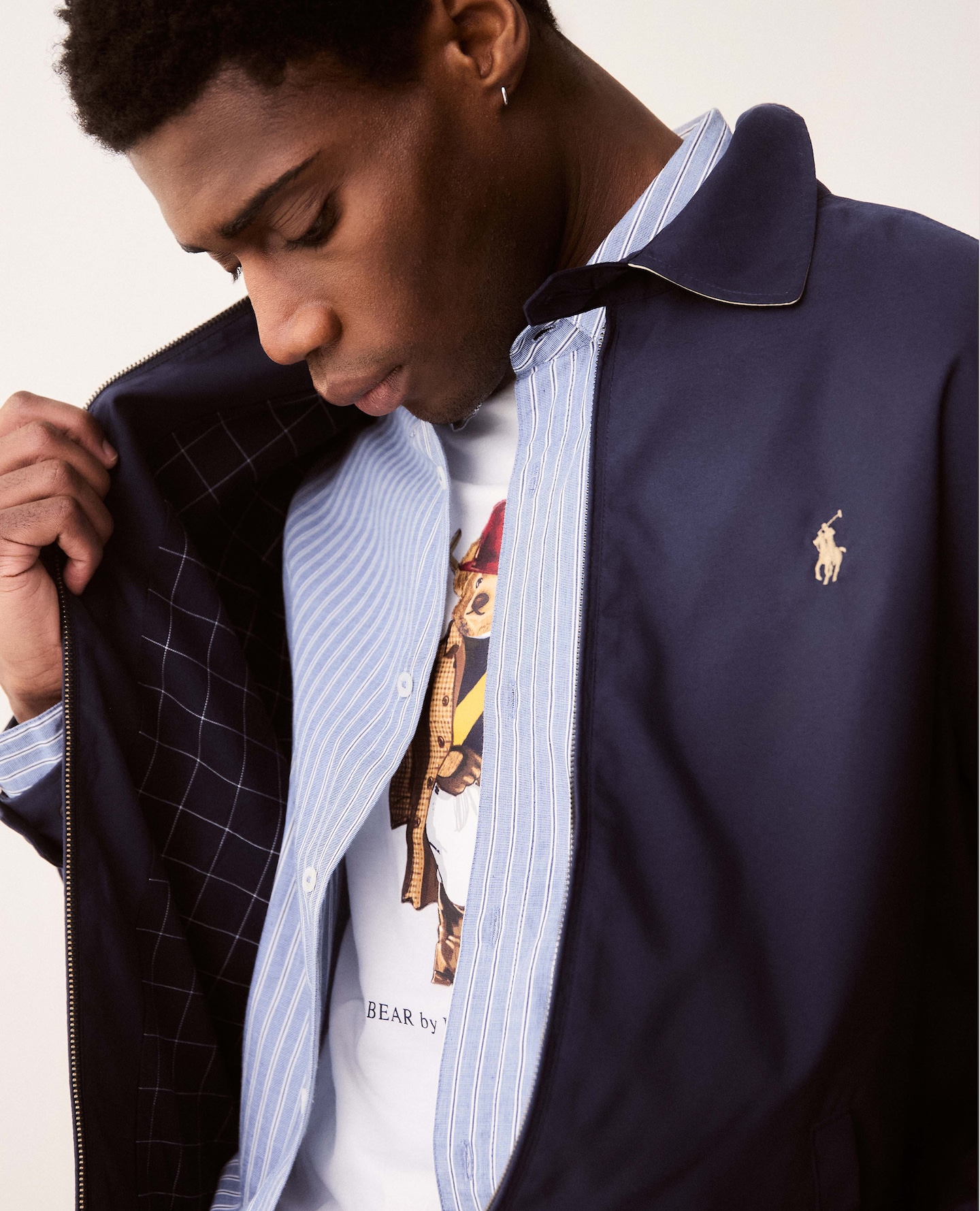
LAYERING CLOTHES FOR SPRING AND AUTUMN
Because these transitional seasons tend to have similar forecasts, you’ll layer for both in the same kind of way. The main difference will be in the colours - autumn calls for warmer tones (oranges, browns, greens) while spring fashion tends to be lighter and brighter (blues, yellows, whites).
Choose a cotton t-shirt or thinner flannel shirt as your base layer, then pick a more robust mid-layer for cooler days - a crew-neck jumper or zip-up top. For your final outer layer, a slick bomber jacket or light, water-resistant coat will keep you ready for any weather.
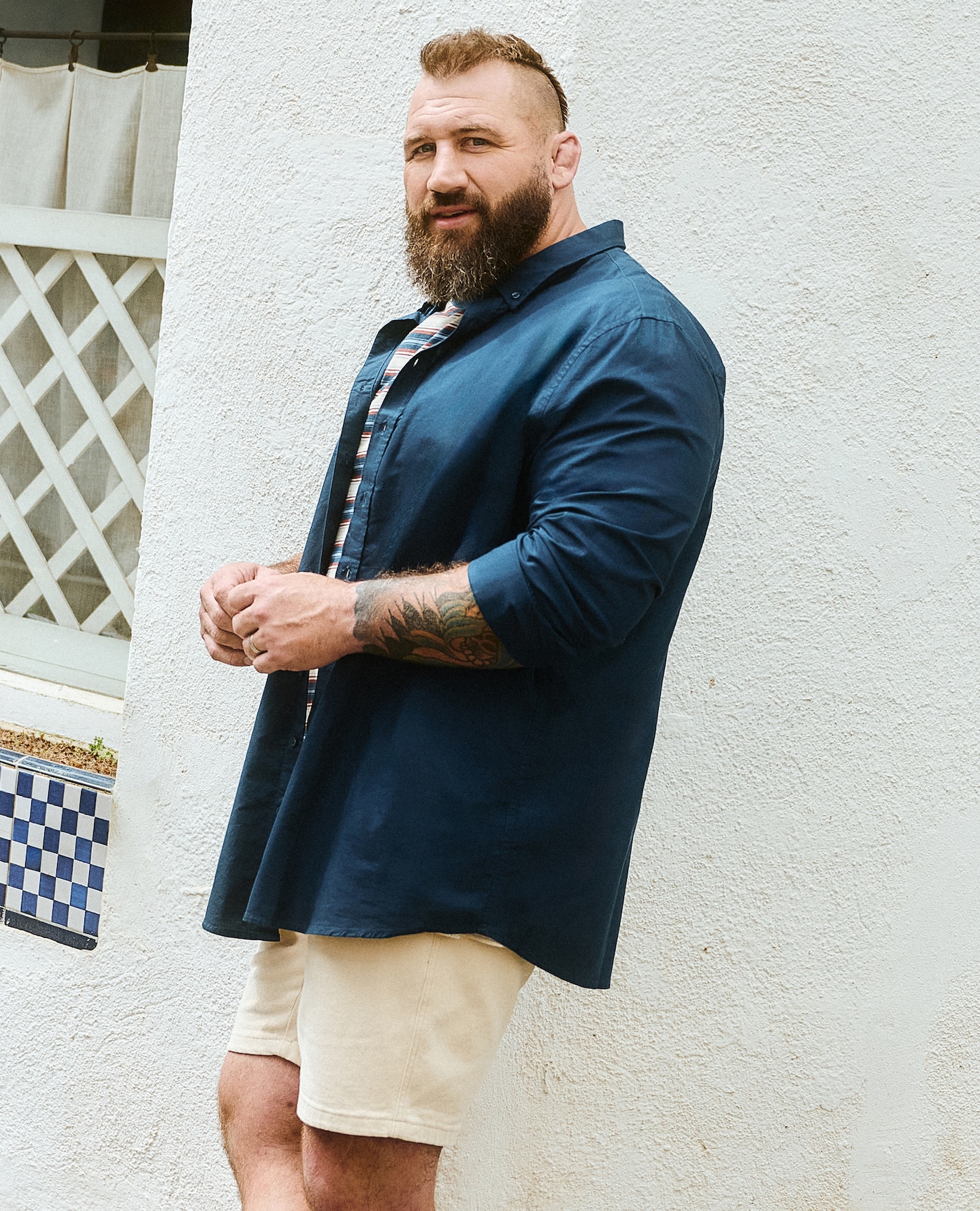
LAYERING CLOTHES FOR SUMMER
With summer (usually) comes warmer temperatures. And while it’s tempting not to layer, it’s still worth doing. Summer evenings can get pretty cool, especially up north, so bring a mid or outer layer with you - it’s a game changer. You’ll be glad of it in the office if they blast the air con to Polar levels, too.
Then there’s sun protection. If you spend all day in just a t-shirt, there’s a real risk of burning. But if you have a light long-sleeve shirt or jacket you can quickly throw on, your arms will thank you.
On more casual days, you can’t go wrong with a simple cotton tee, an overshirt and a light bomber jacket for the evening. For something smarter, a linen shirt, pullover and shacket will work well.
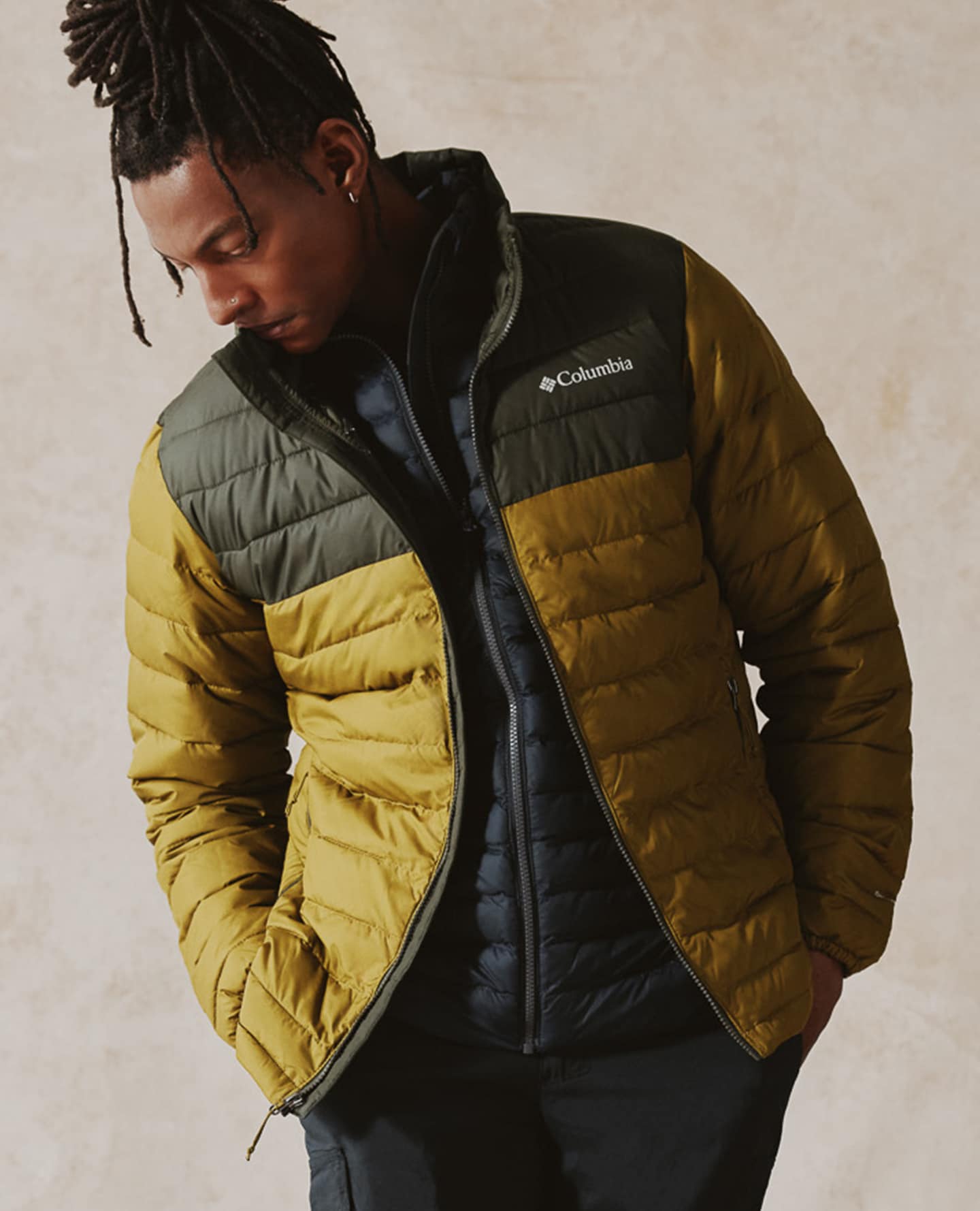
LAYERING FOR WARMTH IN WINTER
When the cold hits, winter layering has to work hard to prioritise insulation and protection against rain and snow. There’s a real knack to it, because it’s easy to end up looking uncomfortable and overly bulky. But layering in winter doesn’t have to be difficult.
For casual days, choose a long-sleeved t-shirt, a chunky sweater and a long parka. If you need to look a bit smarter, try an Oxford shirt beneath a Merino jumper and a wool overcoat. Simple.
LAYERING YOUR CLOTHES WITH QUIET CONFIDENCE
Now you’re a pro, you’ll have no trouble going from bulky to best-dressed, because layering clothes is super simple when you know how. Just keep these tips in mind to build a slick layered look every time.
Explore our huge range of high-quality essentials to find the men’s base layers, mid layers and outer layers for every setting and season.