

HOW TO MIX & MATCH SMART SEPARATES
Most of us keep a suit hanging at the back of the wardrobe until a wedding or a function comes round. But the pieces are far more useful than that. A suit jacket, trousers and waistcoat can all work just as well on their own as they do together. Think of a suit jacket as a blazer with more occasion-ready credentials. Pair it with different trousers or wear it with jeans, and suddenly it has a new lease of life. From the office to dinner or a weekend lunch, there are plenty of ways to make your tailoring work harder. This guide shows you how to take your suit pieces and wear them as smart separates, with a few simple rules on fit, colour and formality to keep every combination looking intentional.
THE THREE RULES FOR MIXING SMART SEPARATES
Mixing separates works best when you keep three things in mind: fit, colour and formality. Nail those, and mixing pieces becomes much easier.
FIT COMES FIRST
Separates don't share a cut, so each piece has to fit on its own. A blazer that sits well across the shoulders will make a simple pair of trousers look sharper, while a poorly fitting jacket will drag down even the best trousers. Our suit fit guide explains what to check on each piece.
KEEP YOUR COLOURS IN THE SAME FAMILY
Navy, charcoal, grey and black are the easiest to combine. A navy blazer with grey trousers, or a charcoal blazer with black trousers are easy combinations that always look good together. Bolder or less obvious pairings can work too, but take a little more thought. If you’re mixing colours like navy and brown, make sure it looks like a deliberate choice rather than a happy accident.
BALANCE THE FORMALITY
The key is making sure everything feels like it belongs in the same outfit. A smart blazer can easily be dressed down with a polo or fine-knit jumper, but the rest of the outfit should follow the same mood. A blazer with a polo reads as smart-casual, while the same blazer with a graphic tee pulls the look in a different direction.
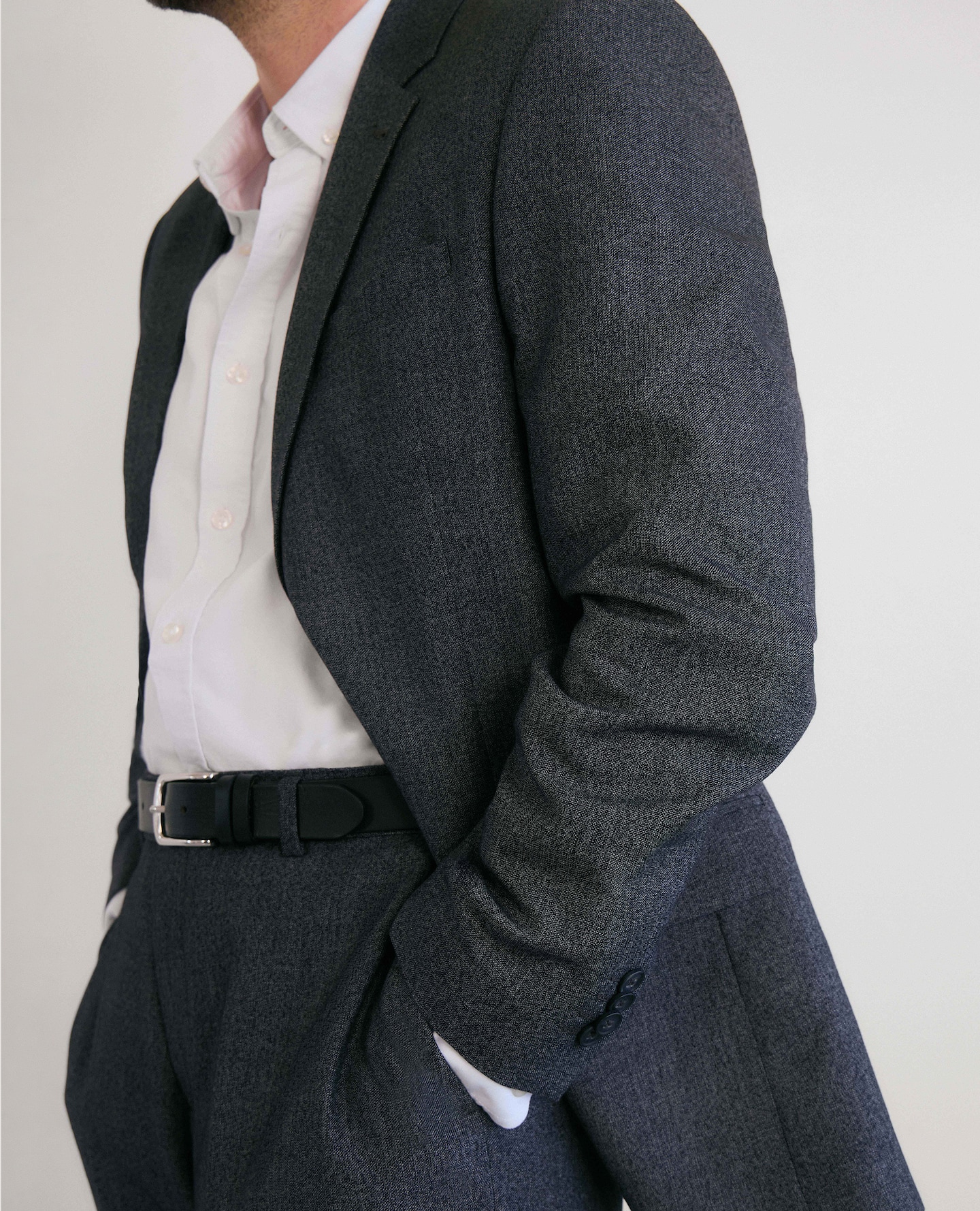
START WITH THE BLAZER OR SUIT JACKET
The blazer or suit jacket does most of the work, so it’s worth getting this one right. A well-cut single-breasted blazer in navy or charcoal can be worn with suit trousers, chinos or dark jeans, which makes it the most versatile smart piece you can own. Start by checking the shoulders, then the sleeve length, and make sure the body of the jacket sits smoothly when you button it up.
It’s also worth thinking about structure. A structured suit jacket holds its shape and lends itself to smarter pairings with tailored trousers and a shirt. An unstructured blazer is softer and more relaxed, which suits knitwear, chinos and jeans. The trick is to choose the cut that matches the way you want to dress, rather than the one that looks best on the hanger.
TROUSERS THAT WORK WITH YOUR BLAZER
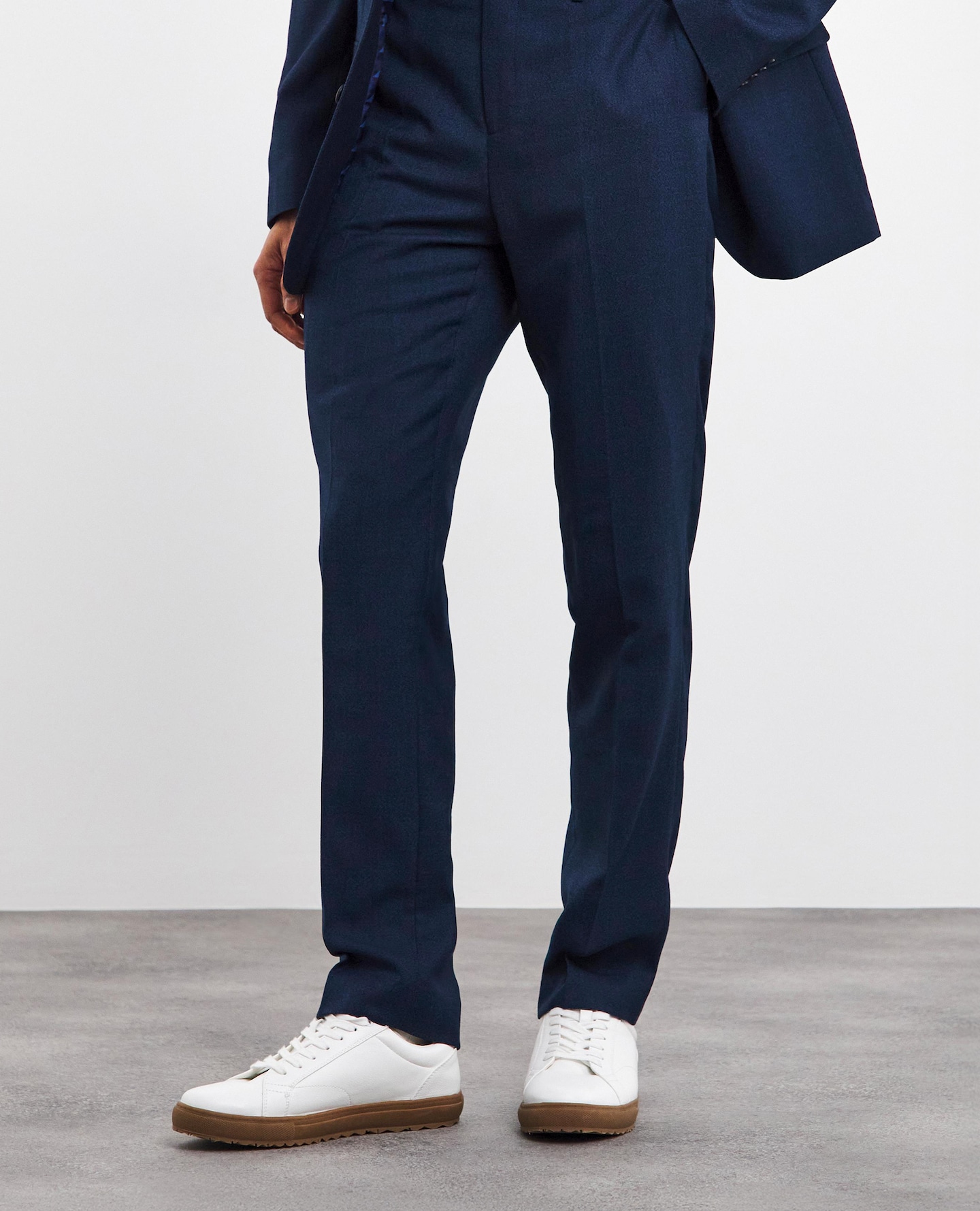
SUIT TROUSERS
Suit trousers are the sharpest partner for a blazer and a great choice for the office, weddings or any event with a dress code. Pair them with a crisp shirt or a fine-knit jumper, and finish with a pair of smart shoes.
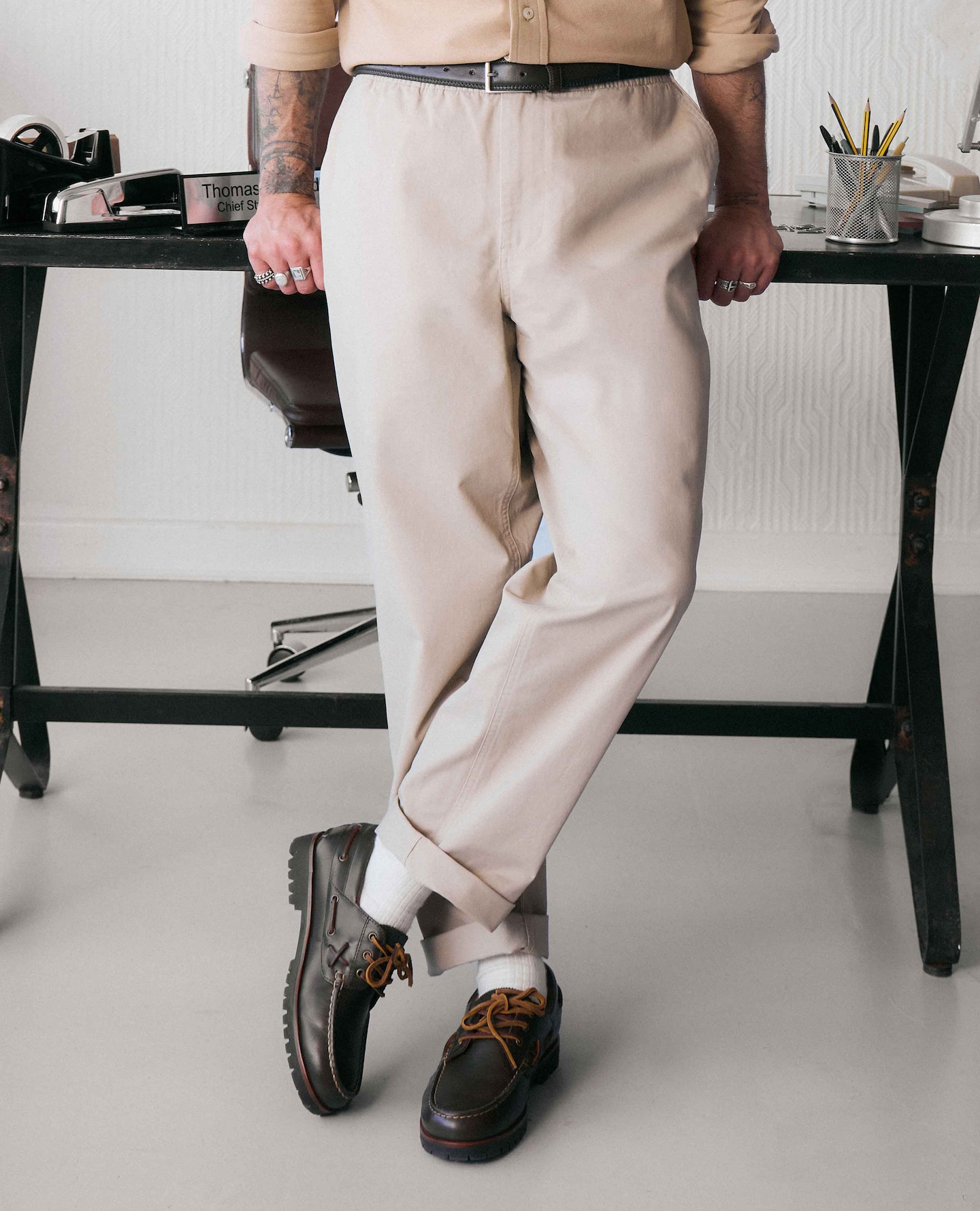
CHINOS
Chinos are the perfect middle ground between smart and casual. Navy, stone and olive are all easy colours to work with, pairing just as well with a blazer and shirt as they do with a relaxed knit. Pay attention to the cut, too. A slim-cut blazer can look out of proportion with overly wide chinos, so aim for a balance between the two.
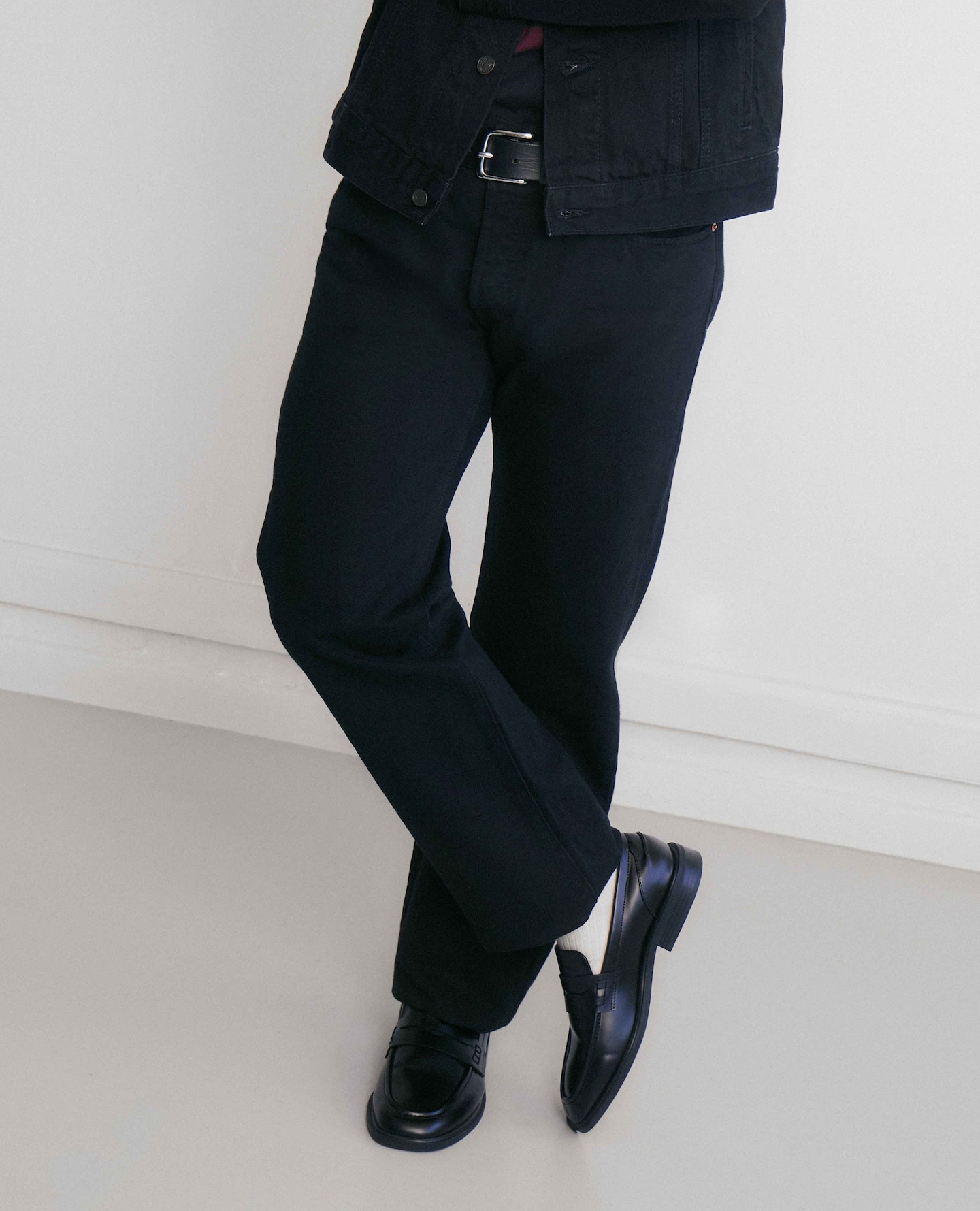
JEANS
Dark, well-fitting jeans are the most relaxed way to wear a blazer. Keep the jacket soft and unstructured, and pair the jeans with a polo or fine-knit jumper. The right denim fit makes all the difference, so check our jeans fit guide before you choose a cut.
SHIRTS, KNITWEAR & POLOS
Dark, well-fitting jeans are the most relaxed way to wear a blazer. Keep the jacket soft and unstructured, and pair the jeans with a polo or fine-knit jumper. The right denim fit makes all the difference, so check our jeans fit guide before you choose a cut.
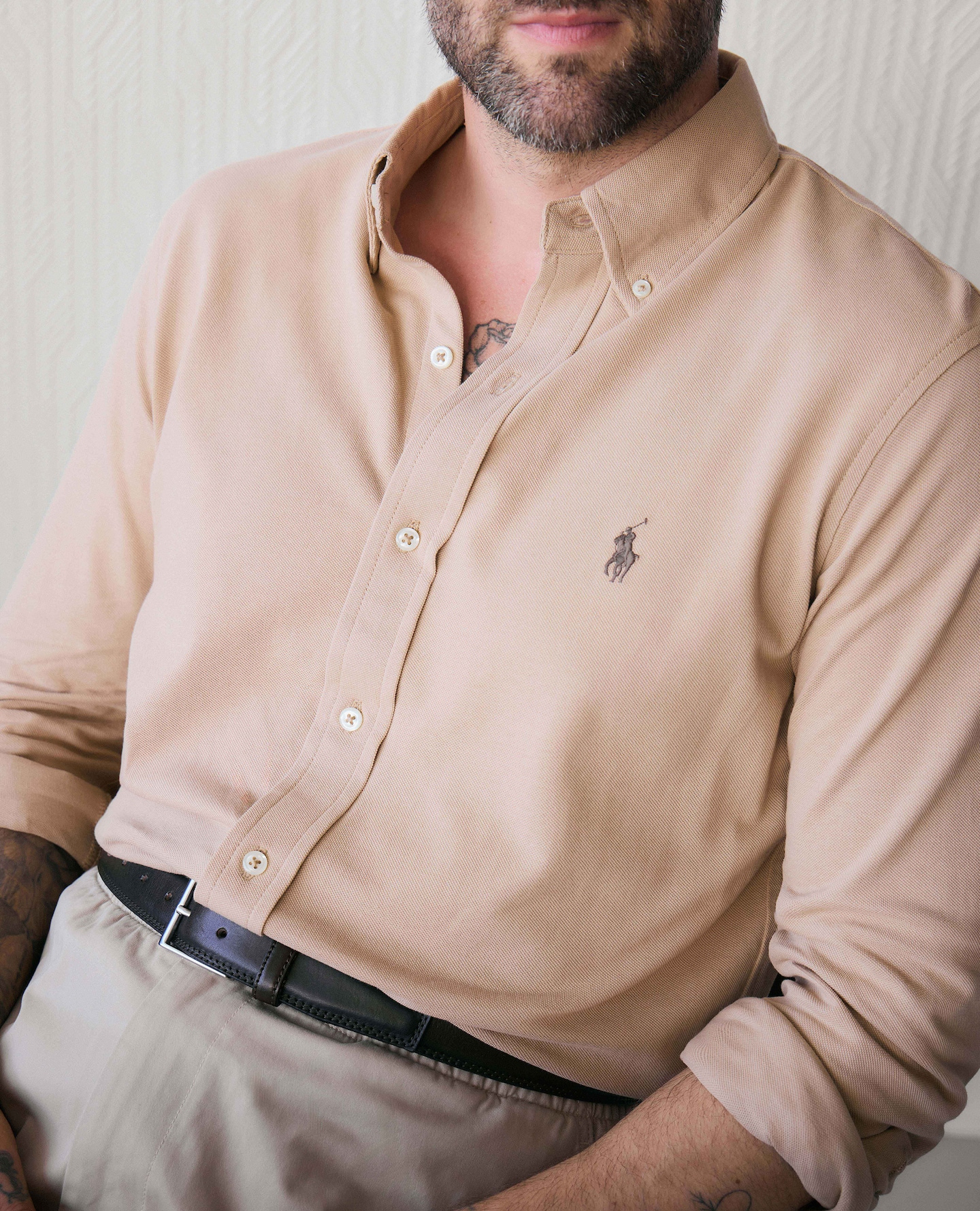
SHIRTS
A point collar or button-down collar suits most blazers. Undo the top button and skip the tie for a more relaxed feel, or add a tie when the occasion calls for something smarter.
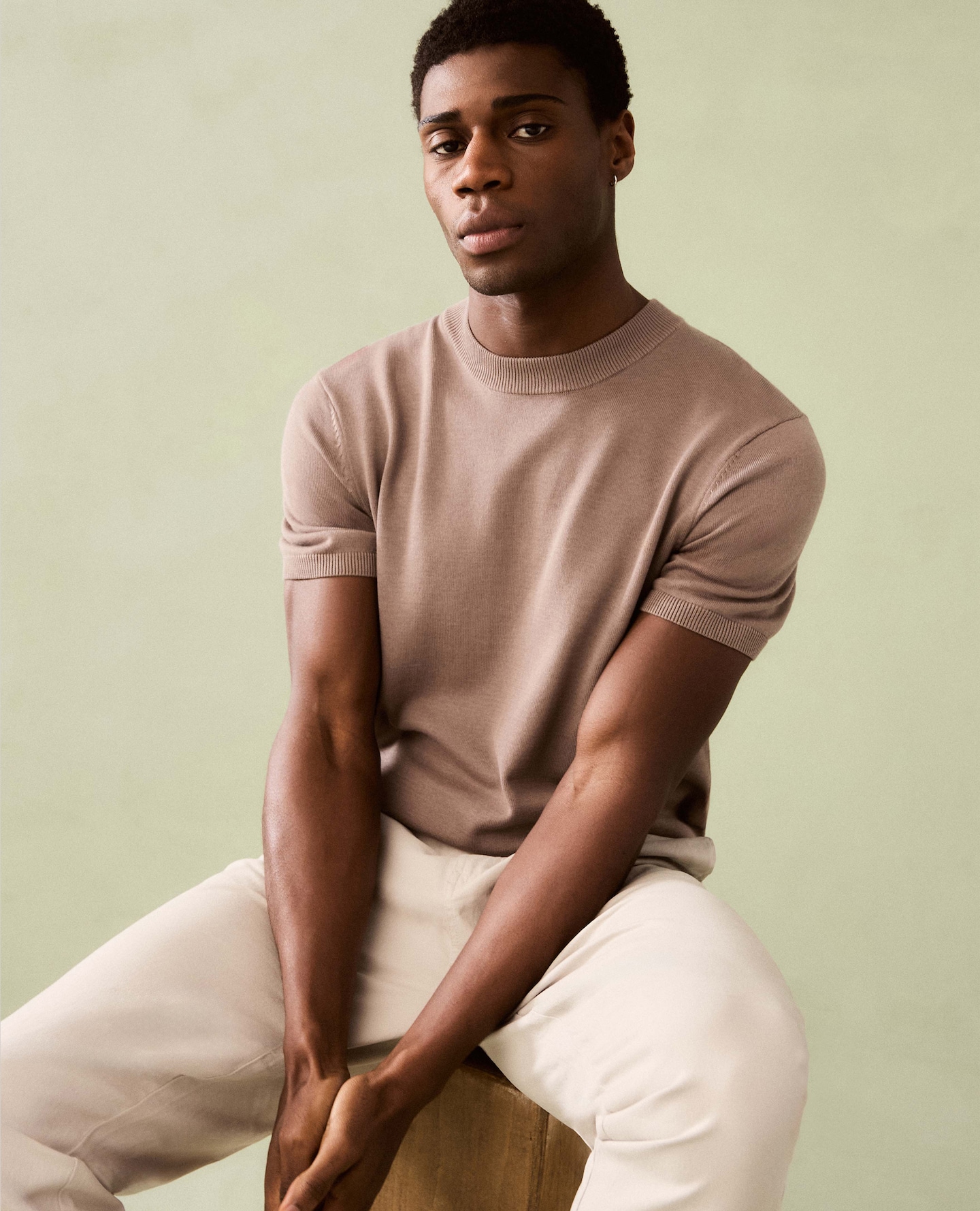
KNITWEAR
A crew neck or V-neck is a great alternative to a shirt, giving your outfit a polished feel without looking too formal. Choose a smooth, lightweight knit rather than a chunky one, because bulky knitwear can make the blazer sit awkwardly across the body.
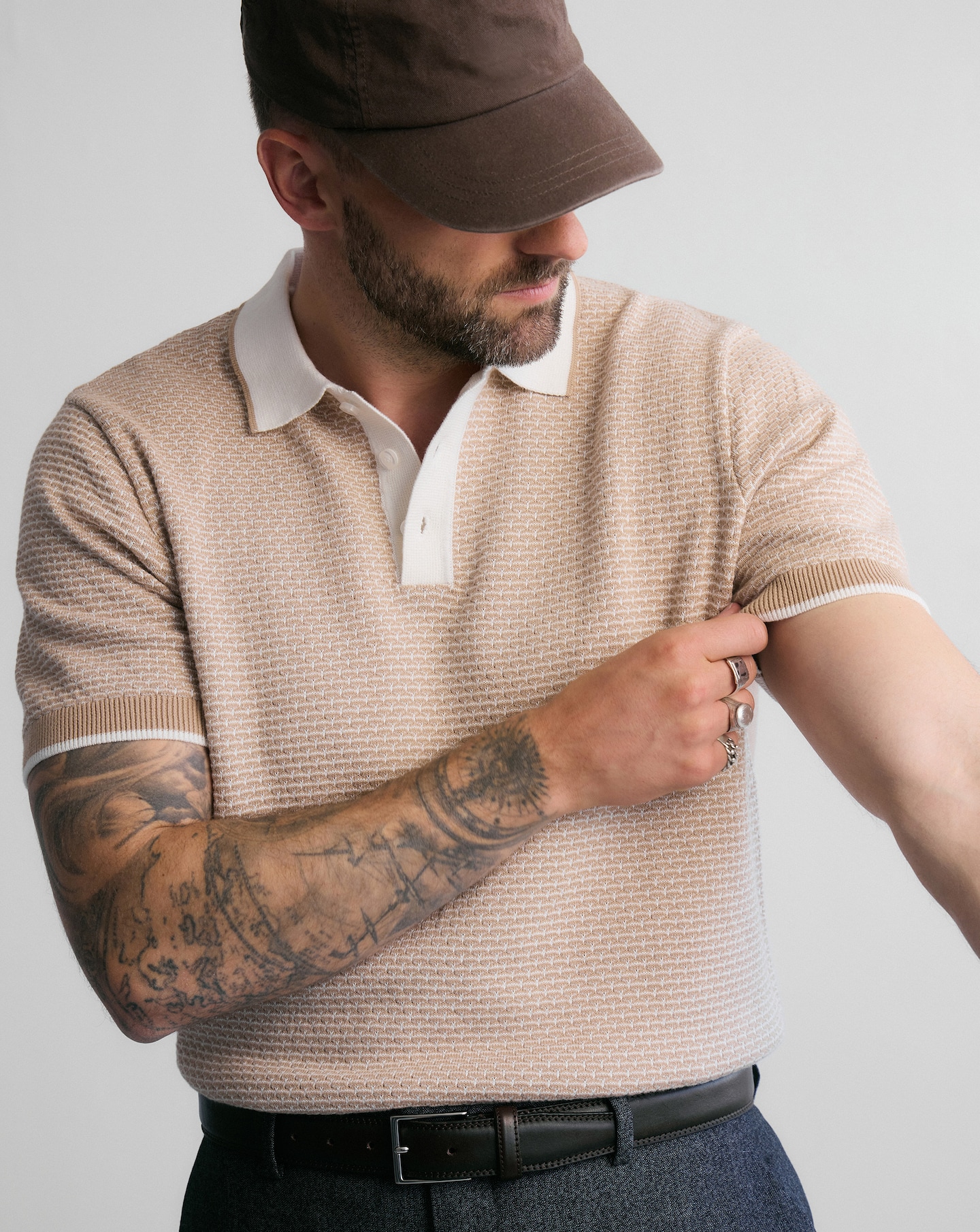
POLOS
A plain or lightly textured polo works well under a blazer for smart-casual occasions. Look for a neat collar and a fit that sits cleanly under your jacket without bunching. If you want to keep things on the smarter side, a simple, plain design is the way to go.
THREE WAYS TO DRESS A SUIT JACKET UP OR DOWN
Below are three pairings to try out. Each one uses a navy suit jacket or blazer, so you can see how the rest of the outfit changes the mood.
SMART OFFICE
Pair a navy jacket with grey suit trousers, a pale formal shirt and smart shoes for a sharp office-ready look. Add a tie if your workplace calls for something more formal.
SMART-CASUAL WEEKEND
Give the navy jacket a more relaxed feel with dark chinos and a fine-gauge crew neck. Finish with clean leather trainers for a laid-back look, or smart shoes if you’ve got somewhere a little smarter to be.
EVENING OR WEDDING
For something more occasion-ready, pair the navy jacket with grey suit trousers, a waistcoat underneath, a crisp formal shirt and smart shoes. Finish with a tie or bow tie to suit the occasion.
COMMON MISTAKES TO AVOID
A few small details can make all the difference when wearing separates. Here’s what to watch out for:
Mismatched fabrics: A heavy tweed blazer paired with lightweight trousers looks unbalanced. Try to keep the fabric weights of your pieces similar.
Sleeves that don't match the shirt: Your shirt cuff should peek out by around 1cm below your blazer sleeve, so check the sleeve length of both pieces together.
Trousers that are too long or too short: Ideally, your trousers should sit just on top of your shoe or just above it. Check the length with the shoes you plan to wear.
Too many patterns: When it comes to patterns, less is usually more. Choose one pattern to do the talking. A checked blazer, for example, works best with plain trousers and a simple shirt.
FINISHING THE LOOK
It’s the finishing touches that bring an outfit together. Belts, shoes and details like a tie or waistcoat can make all the difference. As a general rule, match your belt to your shoes where you can, brown with brown and black with black.
Smart shoes suit most formal settings, while clean leather trainers work just as well with chinos or jeans when you’re keeping things casual. It’s all about getting the details right without overthinking them.